10 Coffee Table Ideas for a Small Living Room (Spacing + Proportions)
Your small living room doesn’t need a tiny coffee table that looks like it lost a fight with the sofa. You need the right coffee table—one that fits your layout, keeps walkways clear, and still holds your mug like a responsible adult. Ever bought a table that looked perfect online and then arrived like a hulking aircraft carrier in your living room? Yeah… same.
I’ve shuffled coffee tables around more times than I’d like to admit, and I’ve learned one thing the hard way: spacing and proportions matter more than “cute.” So let’s talk about coffee table ideas for a small living room that actually work in real life—crumbs, feet, and all.
Before You Pick: The Small-Living-Room Spacing Rules I Actually Use
You can ignore “rules” if you want, but these ones save you from bruised shins and layout regret. Want the quick cheat sheet?
- Keep 16–18 inches between the sofa and coffee table. You get easy reach without feeling trapped.
- Keep 12–18 inches for main walkways. If you host people, aim closer to 18.
- Match coffee table height to your sofa seat height (or go 1–2 inches lower). Your arm reaches naturally, and your room looks calmer.
- Choose a coffee table length about 1/2 to 2/3 of your sofa length. This keeps the scale balanced instead of awkward.
Now the fun part: picking a table style that plays nice with those proportions.
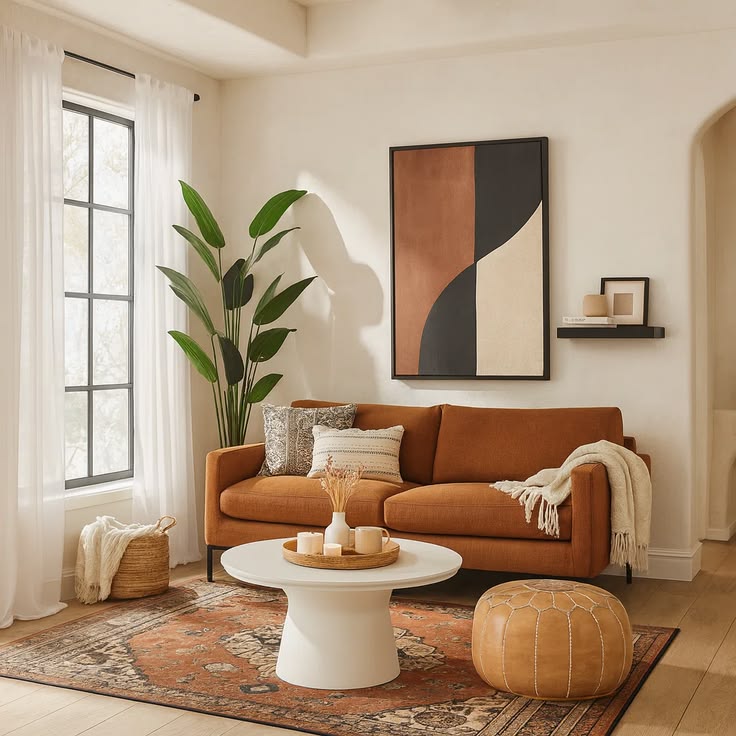
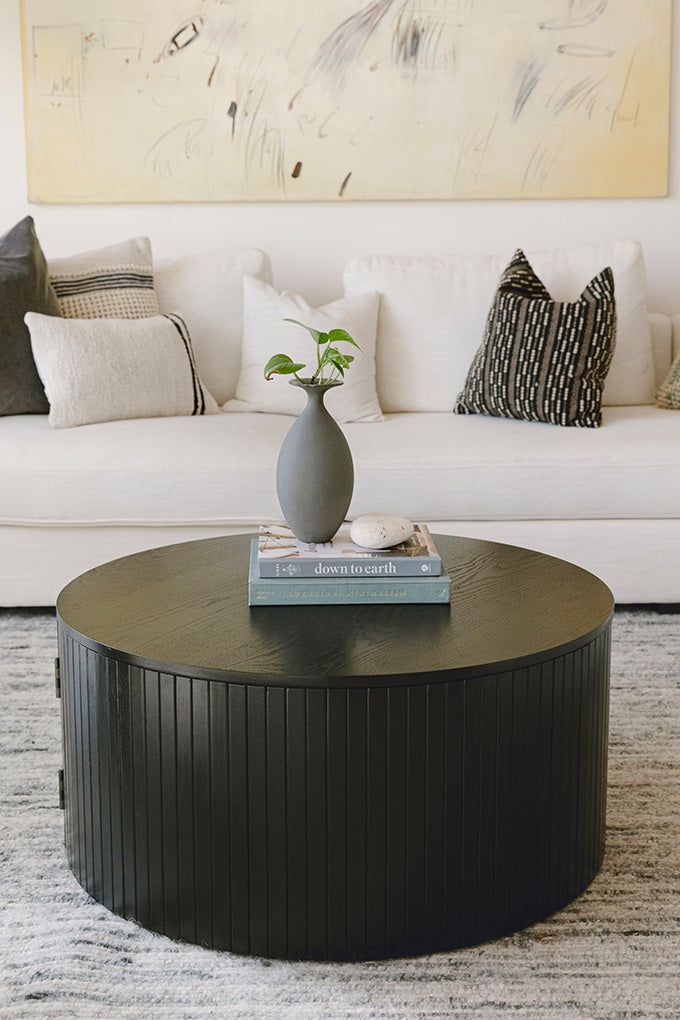
1) Round Coffee Table: The “Stop Destroying Your Knees” Classic
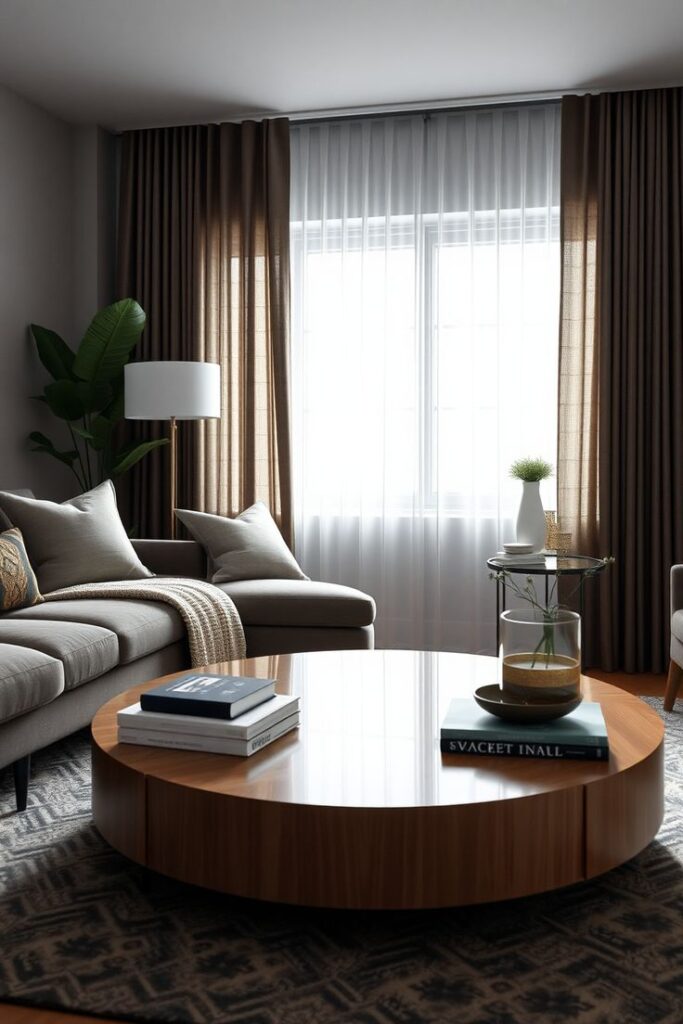
Round tables make tiny rooms feel smoother because they remove sharp corners from tight pathways. You can slide around them without doing that sideways crab-walk. Ever wondered why round shapes feel “lighter” in a small space? Your eyes move around curves faster, so the room feels less blocked.
Spacing + proportions that work
- Aim for a 30–36 inch diameter in most small living rooms.
- Keep that 16–18 inch reach zone from the sofa.
- Pair with a low-profile base if your room already feels busy.
I used a 34-inch round table in a narrow apartment living room, and I stopped clipping corners instantly. My knees wrote thank-you notes.
2) Oval Coffee Table: Softer Than Rectangular, More Surface Than Round
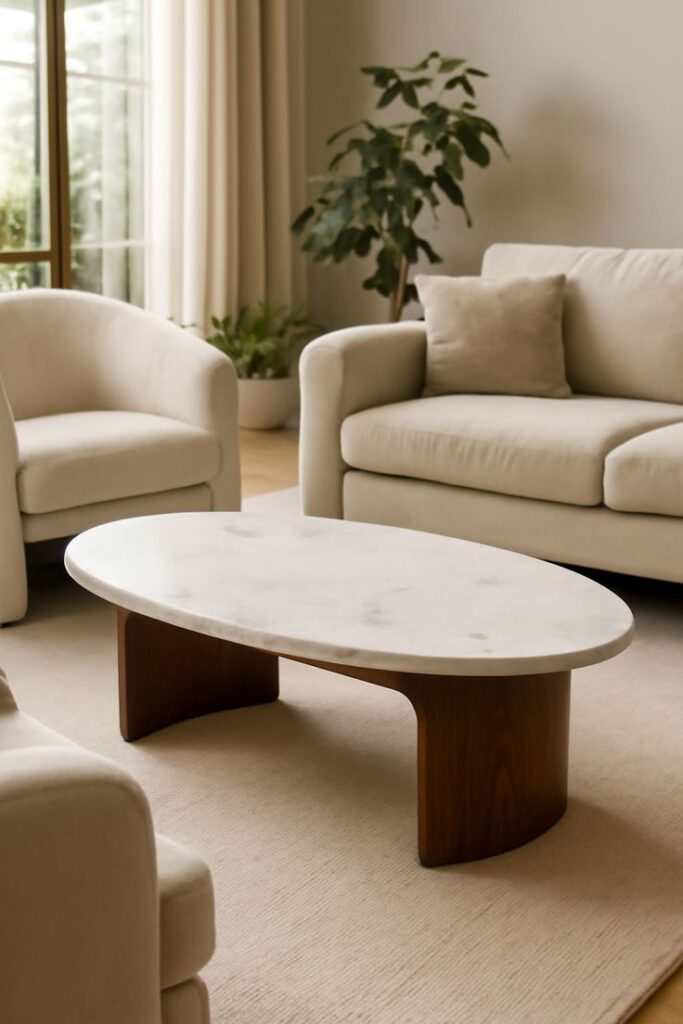
Oval coffee tables give you more usable surface than a round table, but they still let you move around easily. If your sofa faces a TV and you walk through the middle of the room, an oval helps a lot. Who wants to dodge corners every day like it counts as cardio?
Spacing + proportions that work
- Choose 40–48 inches long for a standard small sofa.
- Keep 12–18 inches for the walkway side.
- Pick a narrower width (18–22 inches) if you live in a hallway-shaped living room.
IMO, oval tables look “designer” even when they cost less than your last grocery run.
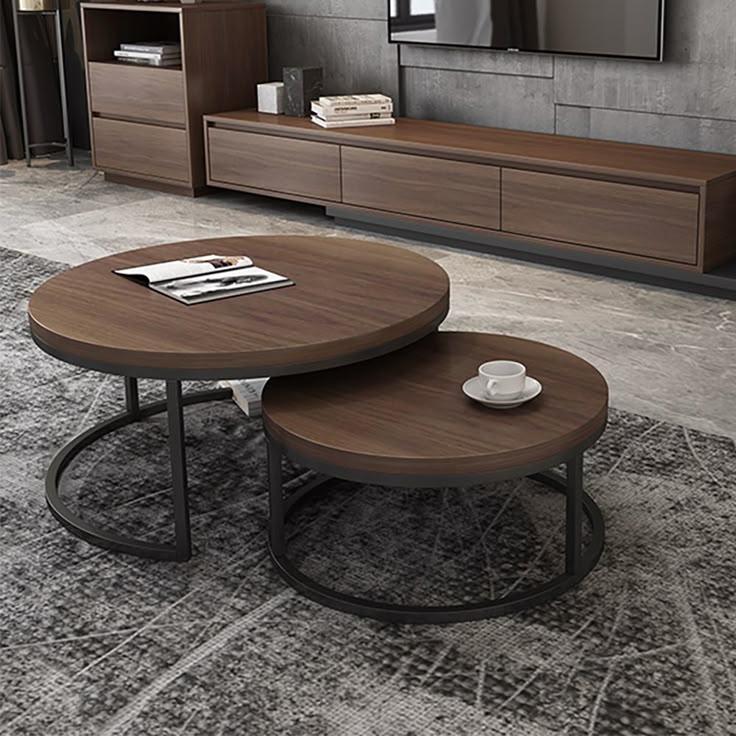
3) Nesting Tables: Your Small Room’s Secret Weapon
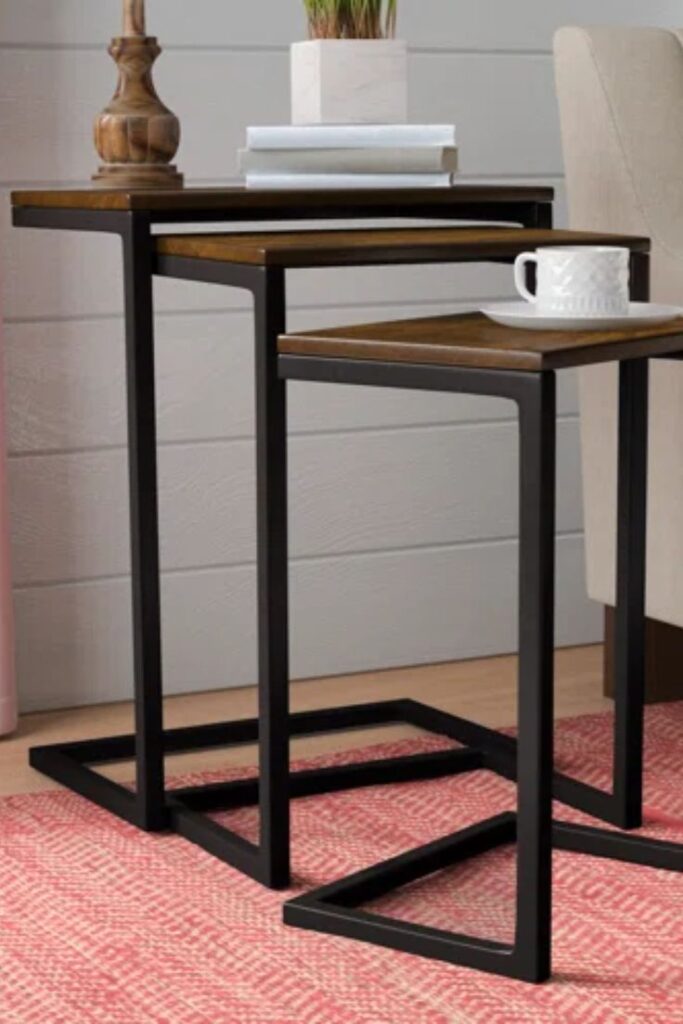
Nesting coffee tables solve the “I need space / I need surface” argument with zero drama. You pull them out when friends come over, then tuck them back when you want breathing room. Why choose one table when you can boss two around?
How I size them
- Use a main table around 30–36 inches wide (or long).
- Keep the smaller table 2–4 inches lower for a layered look.
- Maintain the 16–18 inch sofa clearance with the largest piece.
FYI, nesting tables also fix the “where do I put snacks” problem without permanently sacrificing floor space. 🙂
4) Lift-Top Coffee Table: The Tiny Room Multitasker (That Actually Works)
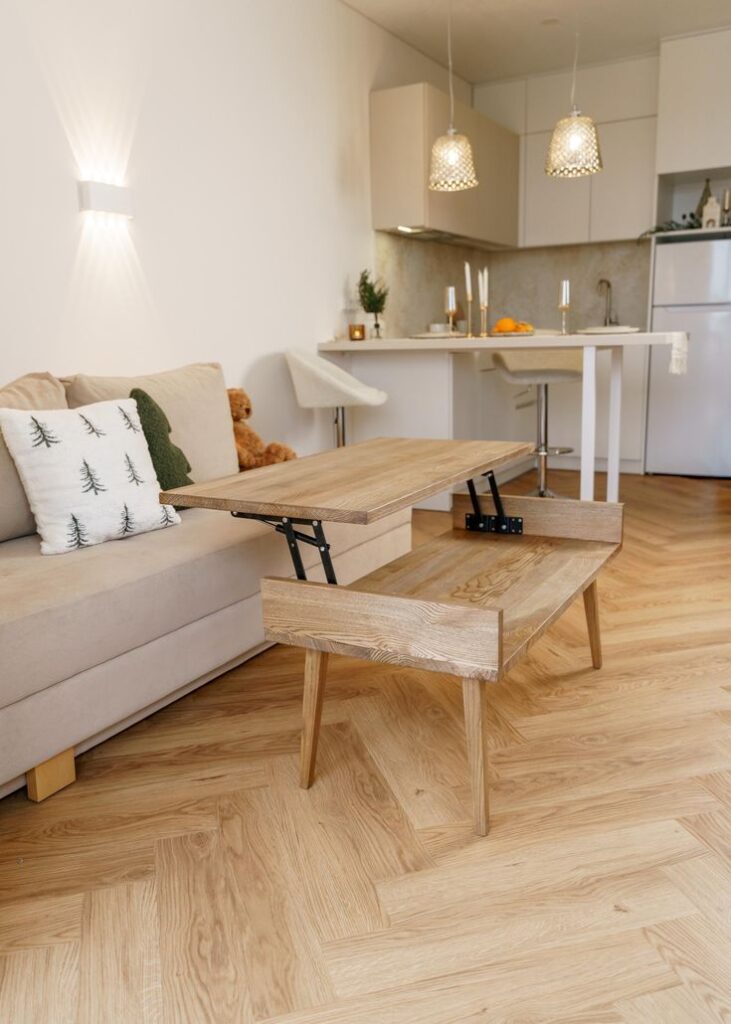
A lift-top coffee table lets you eat, work, and doomscroll in one spot. You keep the surface low visually, then lift it when you need it. Do you live in a small living room that also acts like your office? Join the club.
Spacing + proportions that keep it from feeling bulky
- Keep the footprint compact: 38–44 inches long works for many small rooms.
- Choose a slim top and avoid chunky farm-style legs.
- Leave extra clearance behind it so the top can lift without bumping your knees.
I once bought a lift-top with giant drawer pulls, and I caught my sweater on it for weeks. Choose clean hardware unless you enjoy snagging clothes :/.
5) Acrylic or Glass Coffee Table: The “I Swear My Room Got Bigger” Trick
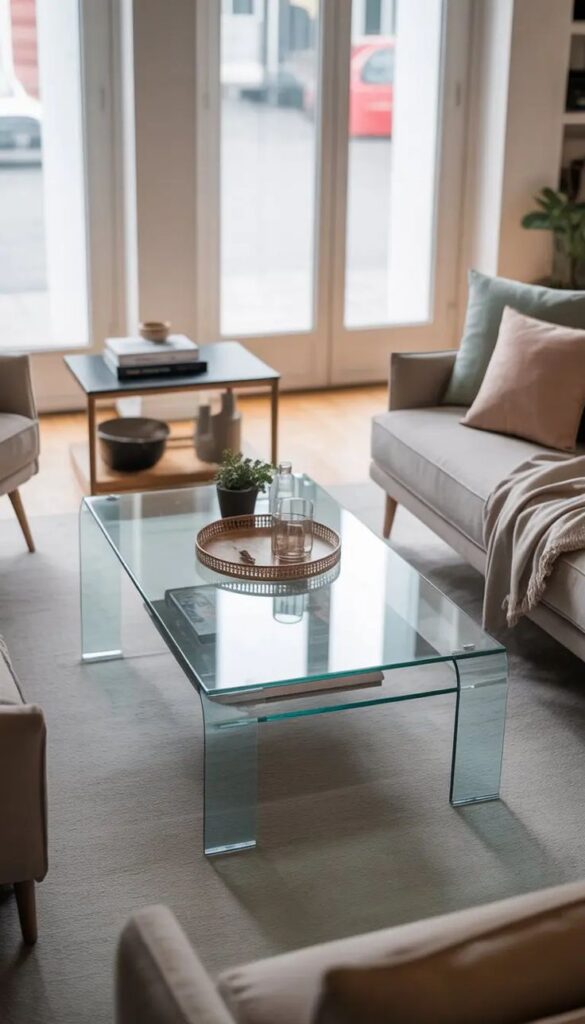
Clear tables cheat your eyes in the best way. They keep the floor visible, so your small living room feels more open. You still get a real surface without adding visual weight—kind of like interior design magic, minus the wand.
Proportion tips for transparent tables
- Stick to a simple shape (round or oval works great).
- Choose a size that fits your sofa: 1/2 to 2/3 sofa length still applies.
- Keep the base minimal so it doesn’t visually “thicken” the table.
Glass shows dust fast, but I’d rather wipe a tabletop than stare at a room that feels cramped.
6) Storage Ottoman as a Coffee Table: Soft, Sneaky, and Comfy
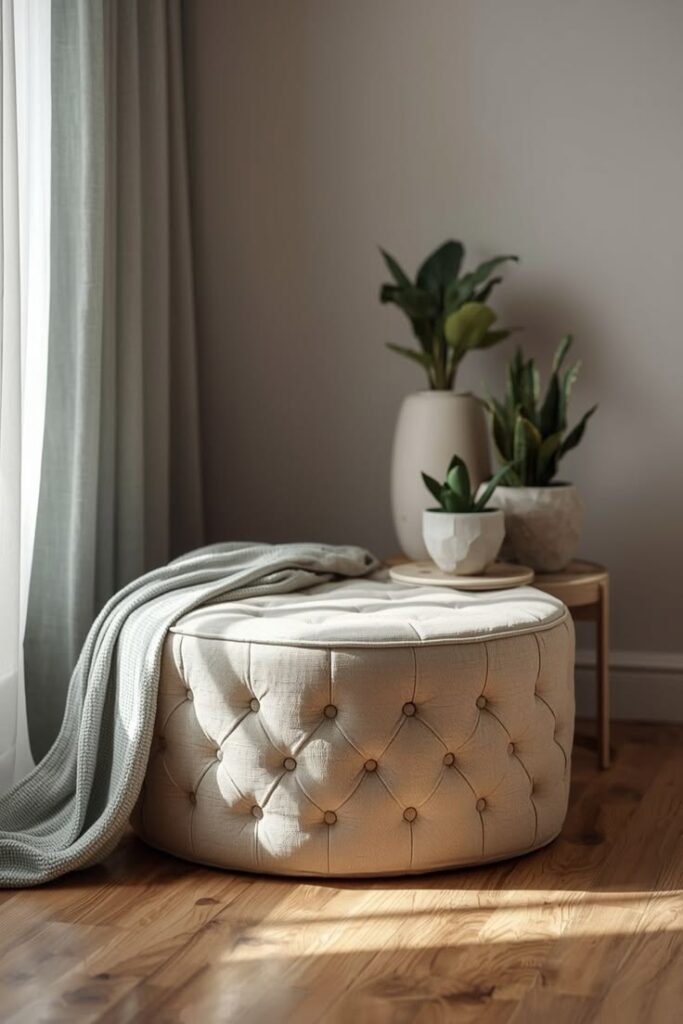
An ottoman coffee table works when you want softness, storage, and fewer sharp edges. You can kick your feet up, stash blankets, and still set down a tray for drinks. Who says a coffee table has to feel like furniture school homework?
Make the ottoman feel intentional (not random)
- Use a firm, flat-top ottoman so trays sit steady.
- Match height to sofa seat height or go 1 inch lower.
- Choose a size around 30–36 inches wide for most small spaces.
Add a large tray to create a stable surface, and your ottoman instantly “reads” like a coffee table instead of a giant pillow.
7) Two Small Tables Instead of One: Better Flow, Better Flexibility
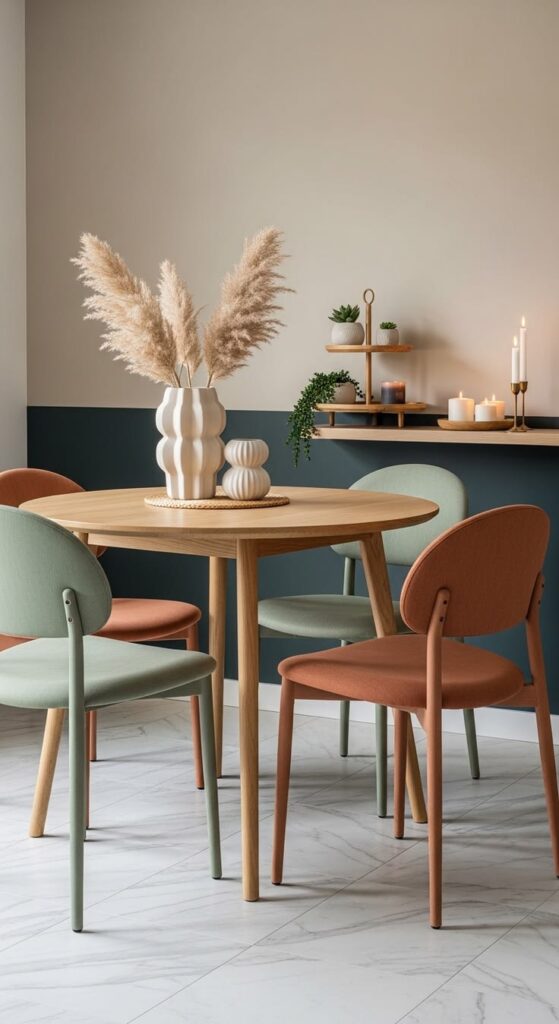
Sometimes one central coffee table blocks everything. Two smaller tables let you create paths, adjust the layout, and keep each seat functional. Do you have a loveseat plus an accent chair? This setup makes every spot feel included.
My favorite spacing approach
- Place one table 16–18 inches from the sofa.
- Place the second table closer to the chair, around 12–16 inches away.
- Keep both tables lower-profile so the room doesn’t feel crowded.
You can mix shapes too—like a small round + a slim rectangle. Your room will look styled, and you’ll still walk through it like a normal person.
8) Slim Rectangular Coffee Table: The “Long and Lean” Layout Saver
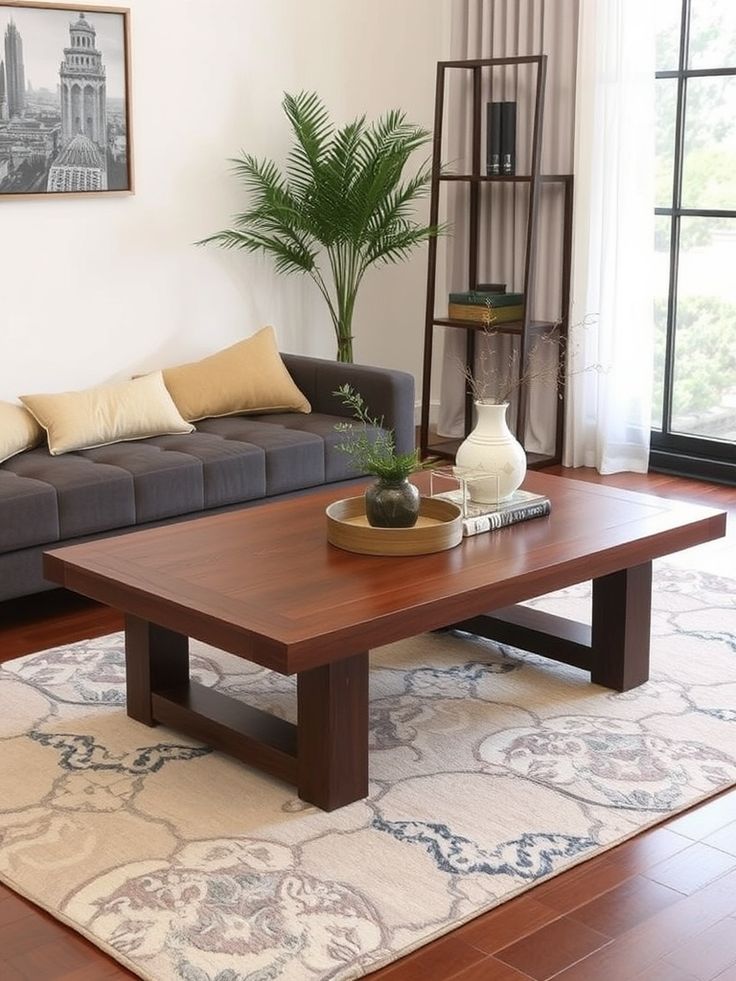
Rectangular tables work great in small living rooms when you keep them narrow. They line up nicely with sofas and help anchor a rug. The trick involves choosing a table that looks streamlined, not heavy.
Proportions that keep it sleek
- Pick a width around 16–20 inches for tight rooms.
- Use the 1/2 to 2/3 sofa length rule so it doesn’t overpower the seating.
- Choose open legs or a shelf instead of bulky drawers.
I love a slim rectangle in long living rooms because it organizes the seating area without eating the walkway.
9) C-Shaped Side Table: The “Coffee Table, But Make It Sneaky”
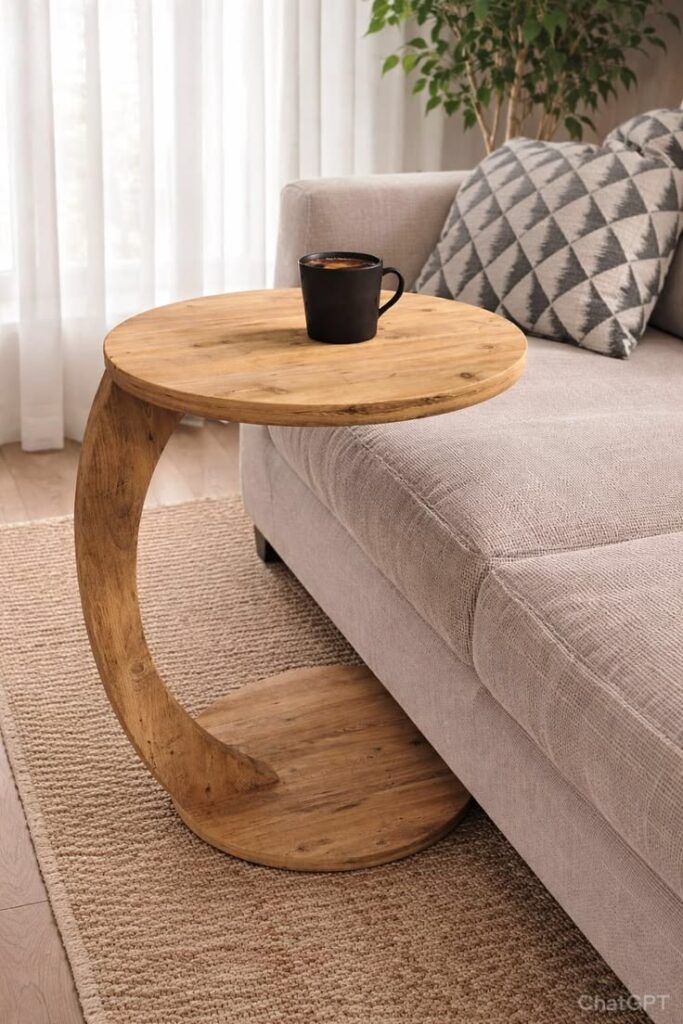
If your small living room barely fits you and a houseplant, skip the main coffee table and use a C-table instead. You slide it under the sofa, pull it toward you, and move it away in seconds. Ever tried eating pizza on the sofa without a surface nearby? Chaos.
Spacing + proportions that feel effortless
- Keep the top around 10–14 inches wide.
- Match height to sofa seat height or go slightly higher for laptop use.
- Maintain walkway clearance by moving it when you stand up (yes, you can do that).
This option works brilliantly for studio apartments, and it keeps your floor open for actual living.
10) Coffee Table with an Open Base (or Hairpin Legs): Lighten the Visual Load
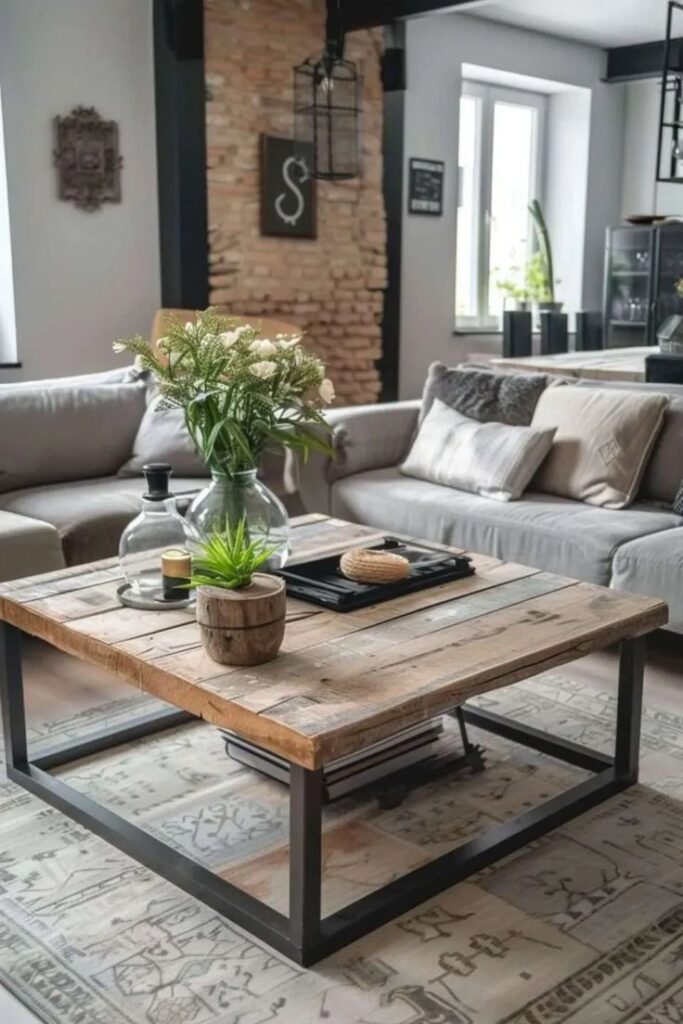
Even when you pick the right size, a heavy base can make your room feel tight. An open base lets your eyes travel under the table, so the whole layout feels lighter. Want a small living room coffee table that doesn’t scream for attention? This style nails that vibe.
What I look for
- Thin legs (hairpin legs, tapered legs, or a sled base).
- A top that stays proportional: 30–44 inches long fits many small rooms.
- Rounded corners if you walk close to it often.
You can still choose wood for warmth—just keep the structure airy so your room can breathe.
Quick “Pick This If…” Cheat Sheet (Because Decision Fatigue Feels Real)
You can match your coffee table idea to your room problem fast:
- You bump into corners → Round or oval coffee table
- You need flexibility → Nesting tables or two small tables
- You work/eat in the living room → Lift-top coffee table
- Your room feels visually crowded → Acrylic/glass or open-base table
- You want soft edges + storage → Storage ottoman + tray
- Your space feels ultra-tight → C-shaped table instead of a full coffee table
Quick “Pick This If…” Cheat Sheet (Because Decision Fatigue Feels Real)
You can match your coffee table idea to your room problem fast:
- You bump into corners → Round or oval coffee table
- You need flexibility → Nesting tables or two small tables
- You work/eat in the living room → Lift-top coffee table
- Your room feels visually crowded → Acrylic/glass or open-base table
- You want soft edges + storage → Storage ottoman + tray
- Your space feels ultra-tight → C-shaped table instead of a full coffee table
Conclusion: Your Small Living Room Deserves a Coffee Table That Behaves
You can make almost any coffee table idea work in a small living room if you respect spacing (16–18 inches from the sofa, 12–18 inches for walkways) and keep proportions in line with your sofa. You can also cheat the cramped feeling with round/oval shapes, transparent materials, nesting designs, or open bases. You don’t need more furniture—you need furniture that cooperates.