10 Creative Sofa Design Sketches to Inspire Your Next Makeover
You know that itch you get when your living room feels “fine,” but your brain whispers, “We can do better”? Same. I’ve scribbled sofa design sketches on receipt paper, notebook margins, and one time on the back of a delivery menu (classy, I know). A quick sketch gives you a plan before you spend real money—or before you rearrange the room at 11 p.m. like a sleep-deprived interior designer.
So let’s talk creative sofa design sketches that actually spark ideas for a real makeover. I’ll keep it practical, I’ll keep it fun, and I’ll help you picture what to draw and why it works. Ready to turn your “meh” sofa corner into the best seat in the house?
Sketch #1: The Curved “Conversation C” Sofa (AKA the Social Magnet)
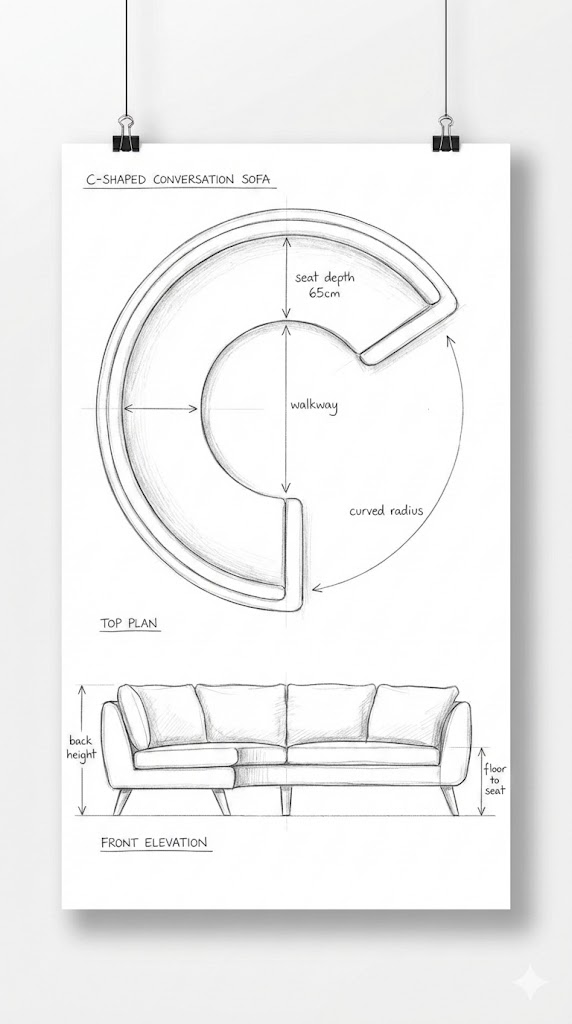
This sketch swaps the straight-line look for a gentle curve that pulls people inward. You draw a wide “C” shape from a top view, then you add deep seats and a low back in the side view. Ever notice how people talk more when seating faces each other instead of the TV? Yeah, this design nudges everyone in that direction.
I love this idea for open-plan spaces because the curve defines a zone without extra furniture. You also get major “custom designer sofa” energy with one simple shape.
Quick sketch notes
- Draw a radius curve that leaves a 24–36 inch walkway behind it
- Mark seat depth at 24–26 inches for lounging
- Add a low back (28–32 inches) for a modern look
Sketch #2: The Modular L-Shape With a “Flip” Chaise (The Layout Saver)
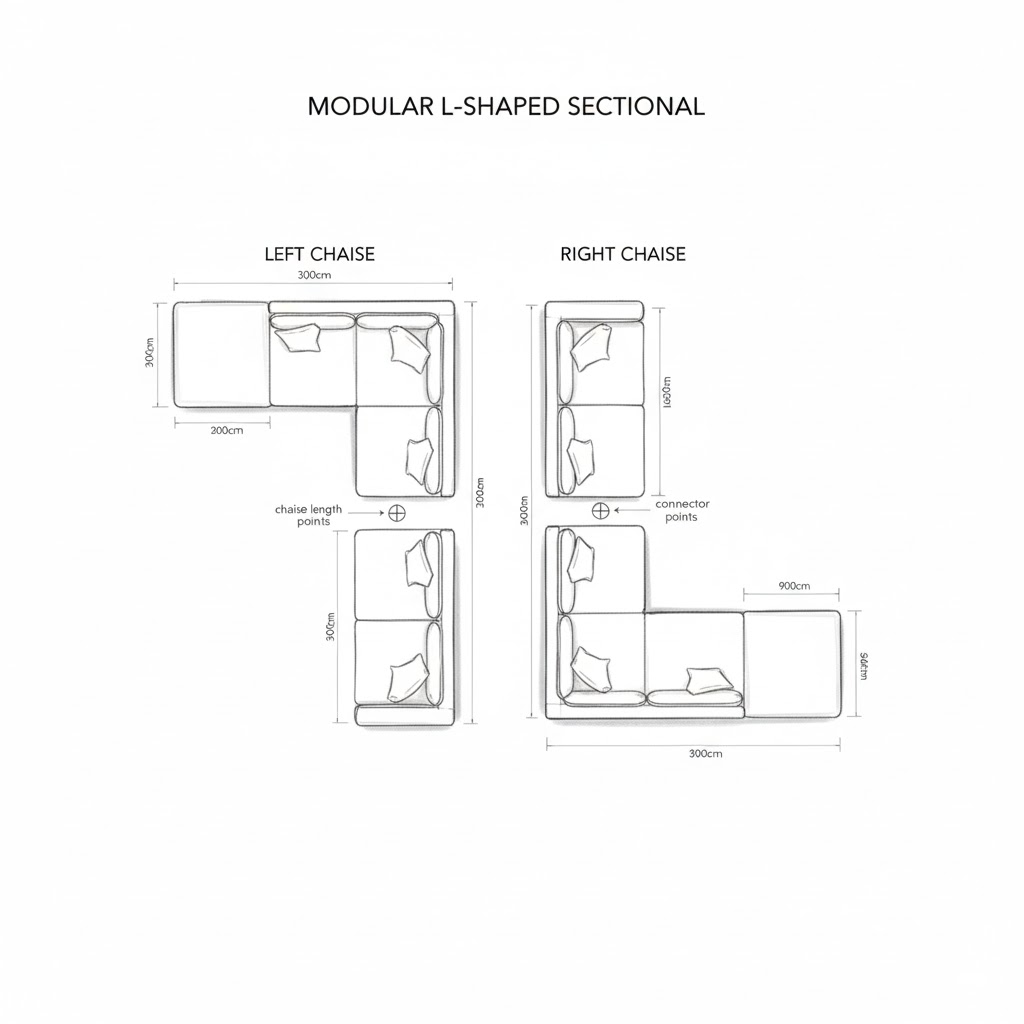
This sketch starts with two rectangles for the main seats, then you add a chaise block that “moves” left or right. You can literally draw two options on the same page and label them “Left Chaise” and “Right Chaise.” Do you move furniture around when you feel stressed? This design supports your hobby.
I’ve lived with a fixed-chaise sectional that blocked a doorway, and I still remember the daily side-step routine. I prefer modular pieces because they let you adapt the sofa to the room instead of the room to the sofa.
Add these callouts to your sofa sketch ideas:
- Hidden connectors between modules
- Armless center units for flexible sizing
- Ottoman add-on that doubles as a chaise
FYI: You should measure your doorways before you fall in love with a huge modular set.
Sketch #3: The Slim-Arm Tuxedo Sofa (Tailored Without the “Museum” Vibe)
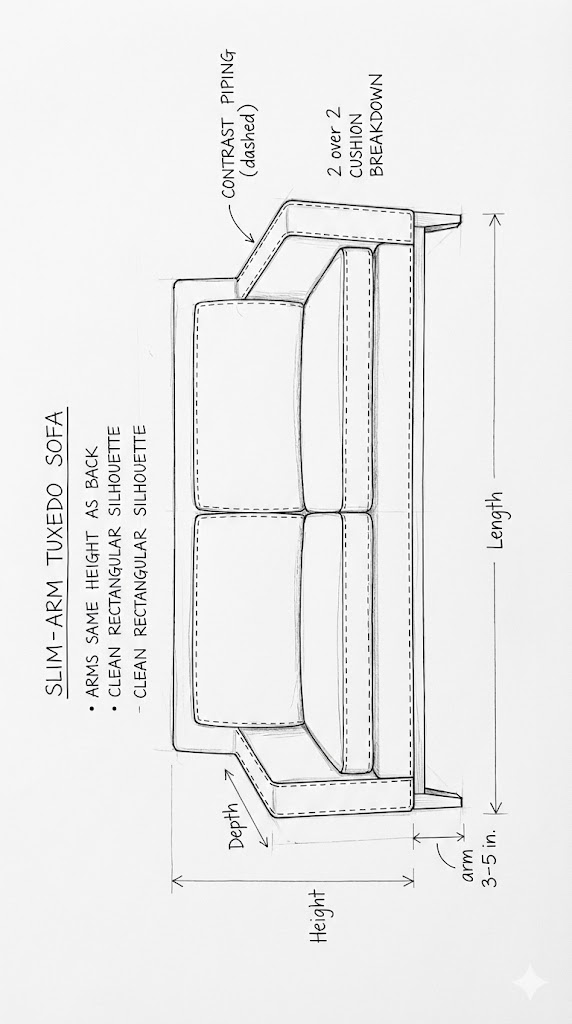
You draw this one as a clean rectangle with arms that match the back height. Then you add thin cushions, crisp edges, and a piping outline. Why do tuxedo sofas look expensive even in a basic fabric? Those strong lines do the heavy lifting.
I like this sketch when you want a sofa that looks sharp in a small space. Slim arms free up extra seating width, and that matters more than most people realize.
What I label on this sketch
- Arm width: 3–5 inches for space efficiency
- Seat height: 17–18 inches for easy sitting
- Contrast piping to highlight the silhouette
Sketch #4: The Low Platform Sofa With “Floating” Legs (Small Room Magic)
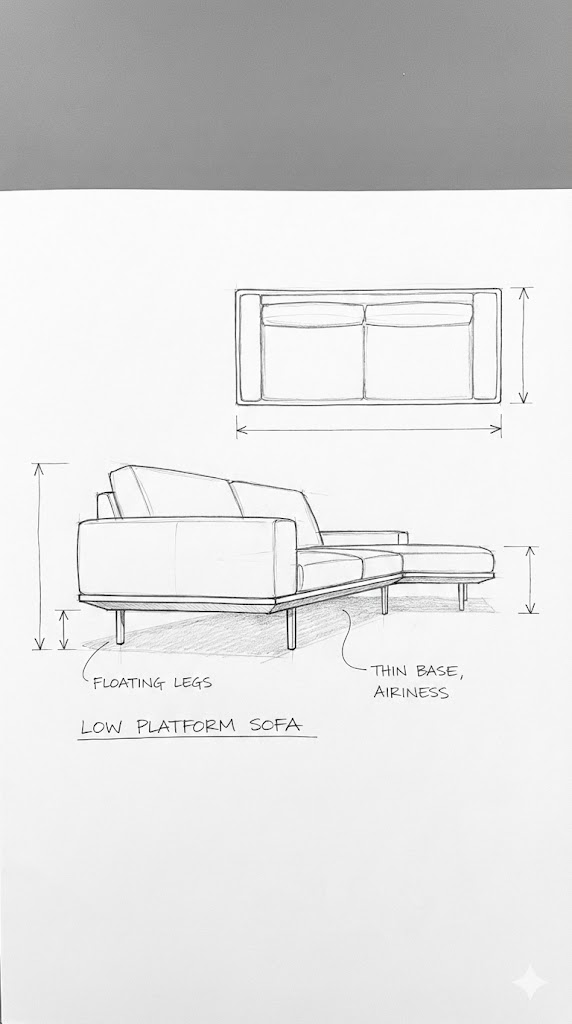
This sketch looks simple, but it changes a room fast. You draw a low, long base, then you add short legs that you can actually see under the frame. Ever wondered why a room feels bigger when you can see more floor? Your eyes love open space.
I used this trick in a tiny apartment living room, and it instantly felt less cramped. The sofa didn’t bulldoze the space, and I stopped bumping into bulky corners.
Make it feel intentional:
- Use leg height around 5–7 inches
- Draw a thin platform base instead of a chunky box
- Add one long bench cushion for a clean look
Sketch #5: The Storage Chaise Sofa (Because Blankets Multiply Overnight)
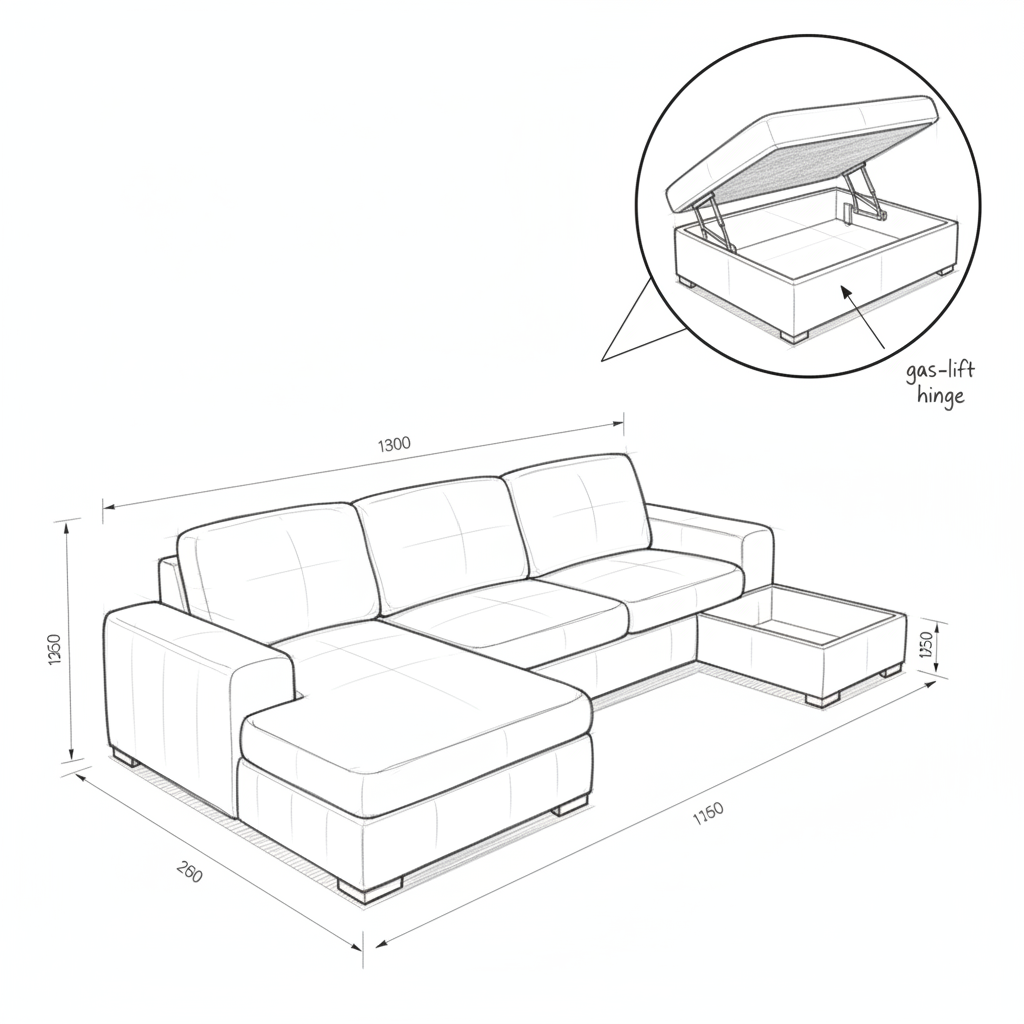
You sketch a regular sectional silhouette, then you draw a hinge line on the chaise seat and a storage cavity underneath. This design gives you the easiest “declutter button” ever. Do you want your living room to look calm in five seconds? Storage seating makes that happen.
I stash throws, extra pillows, and random chargers in mine. I also hide the stuff I don’t want guests to see, because I enjoy peace.
Sketch details that matter
- Draw a gas-lift hinge note so the lid opens smoothly
- Mark storage depth so it fits bulky blankets
- Add a handle cutout to avoid slamming fingers
Sketch #6: The Sofa + Built-In Side Table (No End Table, No Problem)
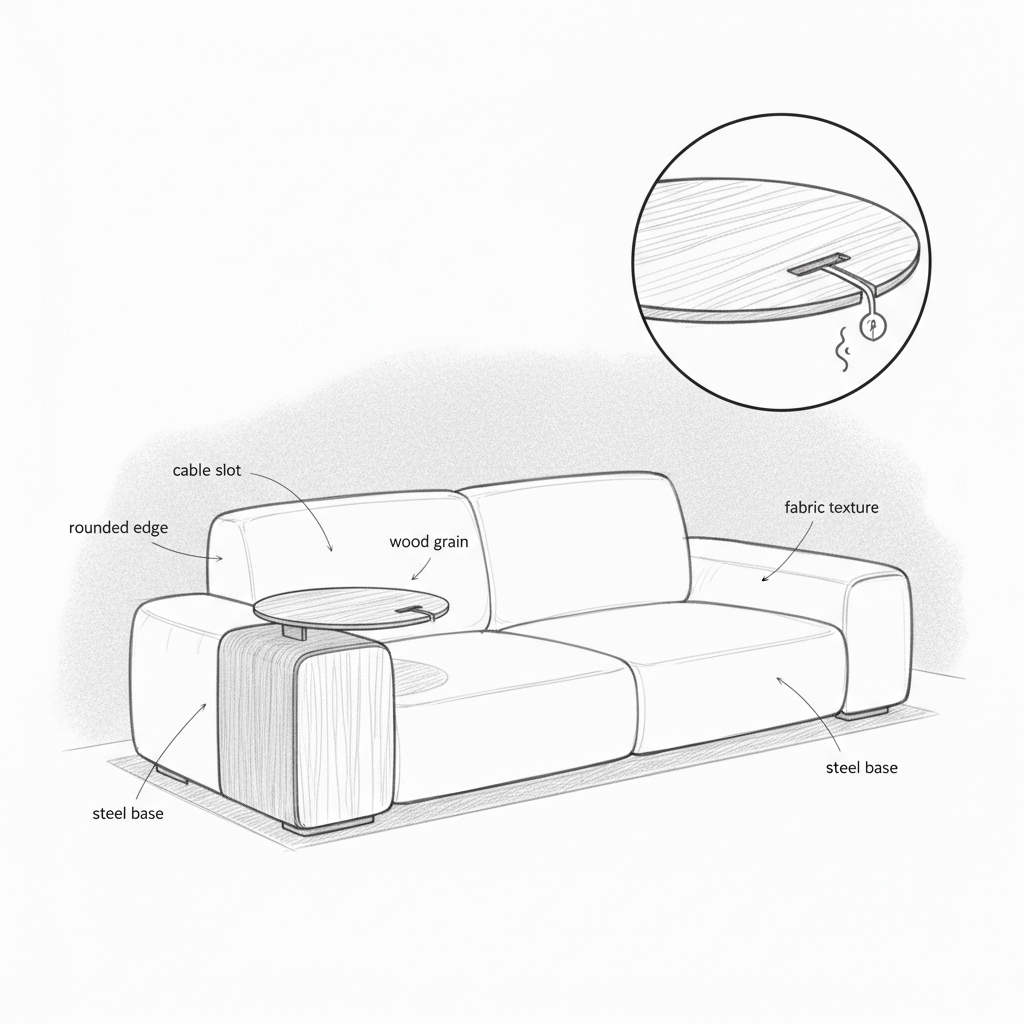
This sketch adds a table slab on one arm or in the corner of an L-shape. You draw the table as a flat rectangle that sits flush with the seat height or slightly higher. Do you always run out of places to put a drink? This sketch solves that without adding more furniture.
I like this design in narrow living rooms where side tables block walkways. You keep the footprint clean, and you still get a landing zone for remotes and coffee.
Label these features in your modern sofa sketch:
- Durable tabletop material (wood, stone-look laminate, or metal)
- Rounded corner edges (your shins deserve kindness)
- Cable slot if you add a charging spot
Sketch #7: The Daybed-Style Sofa With Bolster Arms (Chill, Flexible, Sneaky-Useful)
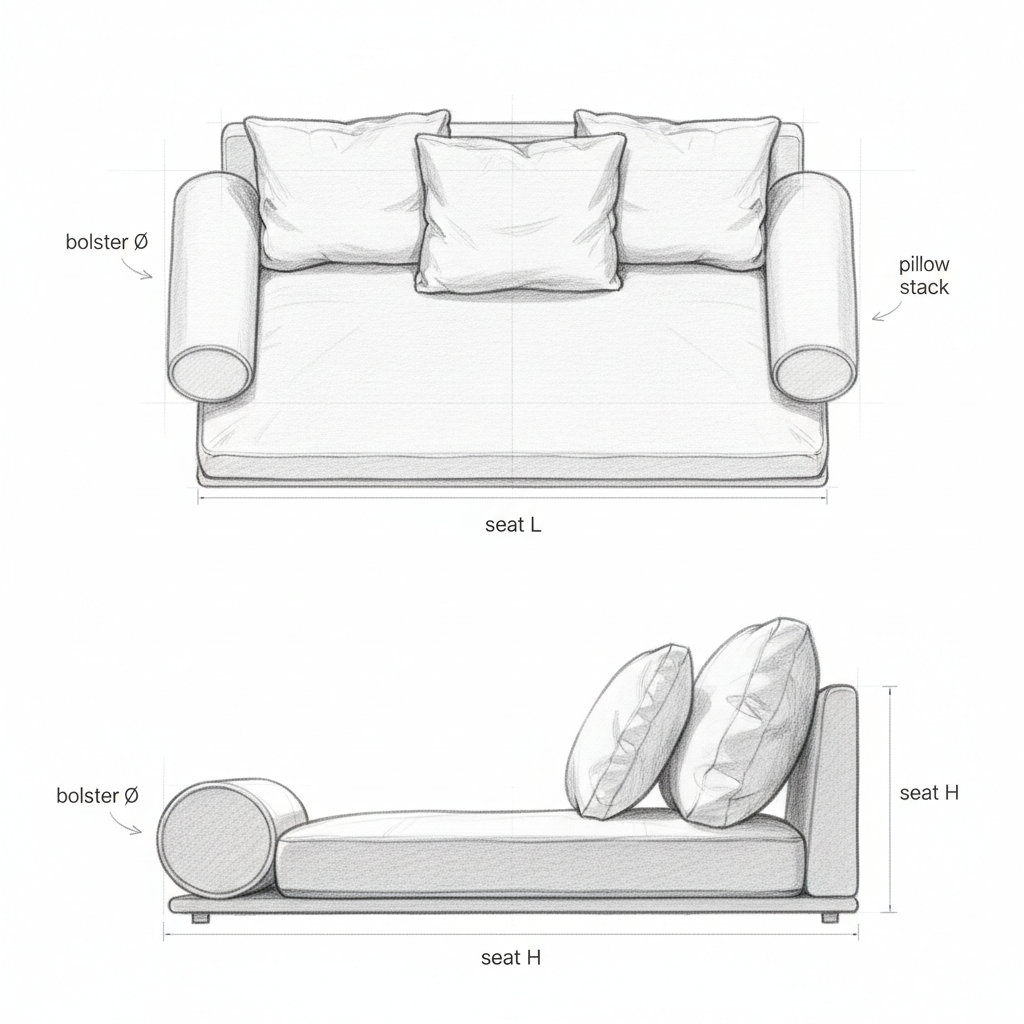
You draw a long, low seat with two cylindrical bolsters instead of full arms. Then you add extra throw pillows along the back so it works for sitting or lounging. Have you ever wanted your sofa to feel like a boutique hotel daybed? Same.
This sketch works great in multipurpose rooms because it feels light and flexible. You can even pull it away from the wall and style it like a daybed if you want that “designer studio” vibe.
How I design it on paper
- Draw bolsters at 6–8 inches diameter
- Add a tight seat cushion so it looks tailored
- Note performance fabric if you snack on the sofa (no judgment)
Sketch #8: The Cocoon Back Sofa (The “I Live Here Now” Seat)
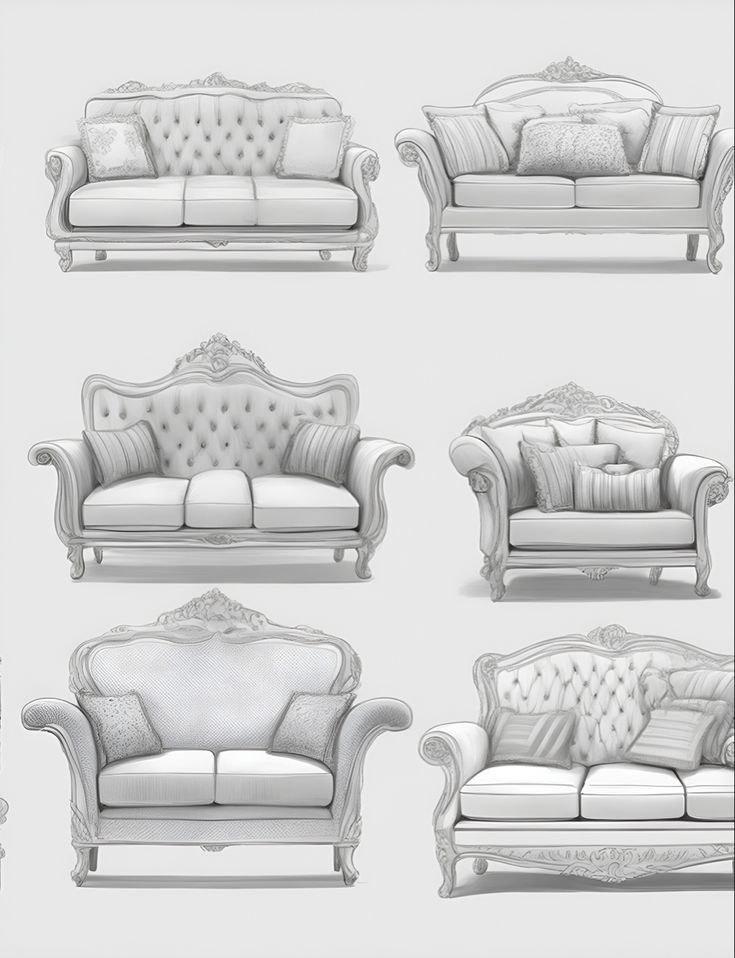
This sofa design sketch wraps the backrest around the sides like a soft shell. You draw a U-shaped back in top view, then you add plush seat cushions and a slightly reclined back in side view. Do you want your sofa to feel like a hug? This shape nails it.
I love this design for reading corners and small living rooms because it creates a cozy zone without extra chairs. It also looks sculptural, even in neutral upholstery.
Add these sketch callouts:
- Wraparound back height: 30–36 inches
- Rounded arms that flow into the back
- Textured upholstery like bouclé or chenille for depth
Sketch #9: The Mixed-Material Frame Sofa (Wood + Upholstery = Instant Character)
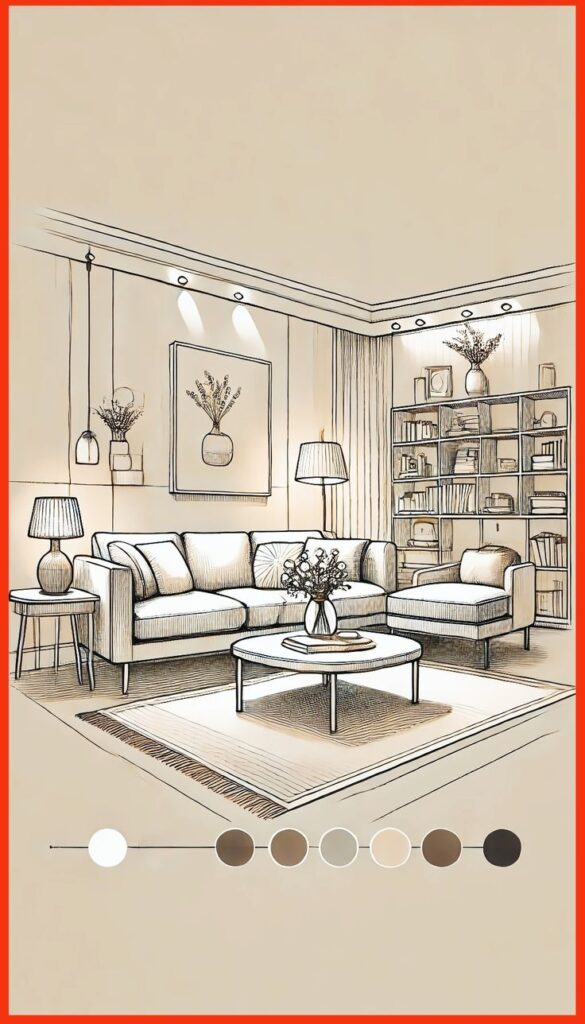
This sketch starts with a visible frame, so you draw the outline of wood or metal around the cushions. Then you add seat and back pads like “inserts” inside the structure. Ever notice how one exposed frame detail makes a whole room look curated? This design does that.
I like mixed materials because they add contrast without extra decor clutter. You can keep the rest of the room simple and let the sofa carry some style weight.
What I compare when I sketch options
- Wood frame: warm, cozy, classic
- Metal frame: sleek, modern, slightly edgy
- Fully upholstered: soft, safe, and sometimes a little too safe
IMO, walnut plus a light fabric looks expensive even when you keep everything else minimal.
Sketch #10: The Color-Block Sofa With Channel Tufting (Bold, But Still Grown-Up)
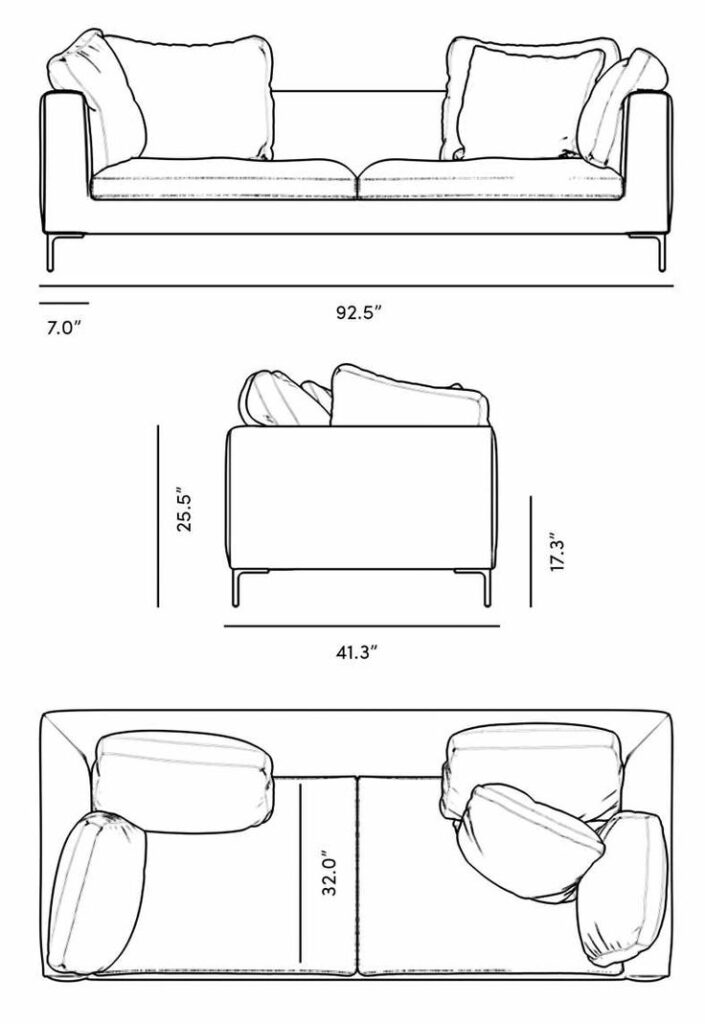
This one looks fun on paper because you can play with panels. You draw a standard sofa shape, then you split the upholstery into two tones and add vertical channel lines on the back or seat. Do you want a statement sofa without a loud pattern yelling at your wall art? Color-blocking gives you that sweet spot.
I’ve watched people overdo color-blocking and end up with a sofa that fights everything else in the room. I keep it simple: one neutral, one accent, and clean lines.
Design rules I write right on the sketch page:
- Use two colors max
- Repeat the accent color once elsewhere (pillow, art, or rug)
- Keep channels wide (3–5 inches) for a modern look 🙂
A Super Practical Mini-Guide: How to Turn Sofa Design Sketches Into Real Plans
You don’t need an architecture degree to make your sketch useful. You just need a few labels and some honest measurements. Ever bought furniture that looked “perfect” online and then swallowed your room whole? Let’s avoid that.
Add these notes to every sofa sketch
- Overall width and depth (in inches or cm)
- Seat depth (comfort lives here)
- Seat height (your knees will complain if you guess)
- Arm width (wide arms steal seating space fast)
- Leg height (more visible floor makes rooms feel bigger)
If you want one extra step that helps a lot, draw a quick top-down floor plan. You can sketch walls, doors, and walkways in two minutes and save yourself hours of rearranging.
Conclusion: Pick One Sketch and Commit (At Least for a Weekend)
These 10 creative sofa design sketches give you real direction for a makeover, whether you crave a curved conversation sofa, a modular L-shape, hidden storage, or a bold color-block moment. You can sketch faster than you think, and you can make smarter furniture choices when you label key dimensions. You also get the fun part: you start designing your space instead of settling for it.
So which sketch fits your life right now—movie marathons, small-space survival, or “I want my living room to look like a showroom”? Grab a pencil, pick one design, and sketch it tonight. If you end up redesigning the whole room… well, you won’t hear any complaints from me.