10 Dark & Moody Living Room Ideas for Maximum Drama and Coziness
some living rooms feel fine, and some make you want to cancel plans on purpose.
Ever notice how dark restaurants always feel cozier than your bright living room?
The difference often comes from one bold choice: going dark and moody.
Want that instant “curl up with a blanket and ignore your phone” vibe?
I painted my living room a deep charcoal a few years ago, and my family thought I lost my mind.
They predicted a cave; I created the coziest lounge in the house.
Now everyone fights for that room on movie nights, which proves a point I will happily gloat about forever.
If you crave maximum drama and coziness, a dark and moody living room delivers both.
You just need the right mix of color, texture, and lighting so the space feels like a hug, not a dungeon.
Let’s walk through 10 dark & moody living room ideas that you can actually use in a real home, pets and kids included.
Grab your paint deck, your Pinterest board, and maybe a brave friend, and let’s plan this thing.
1. Go All-In With Deep, Saturated Wall Color
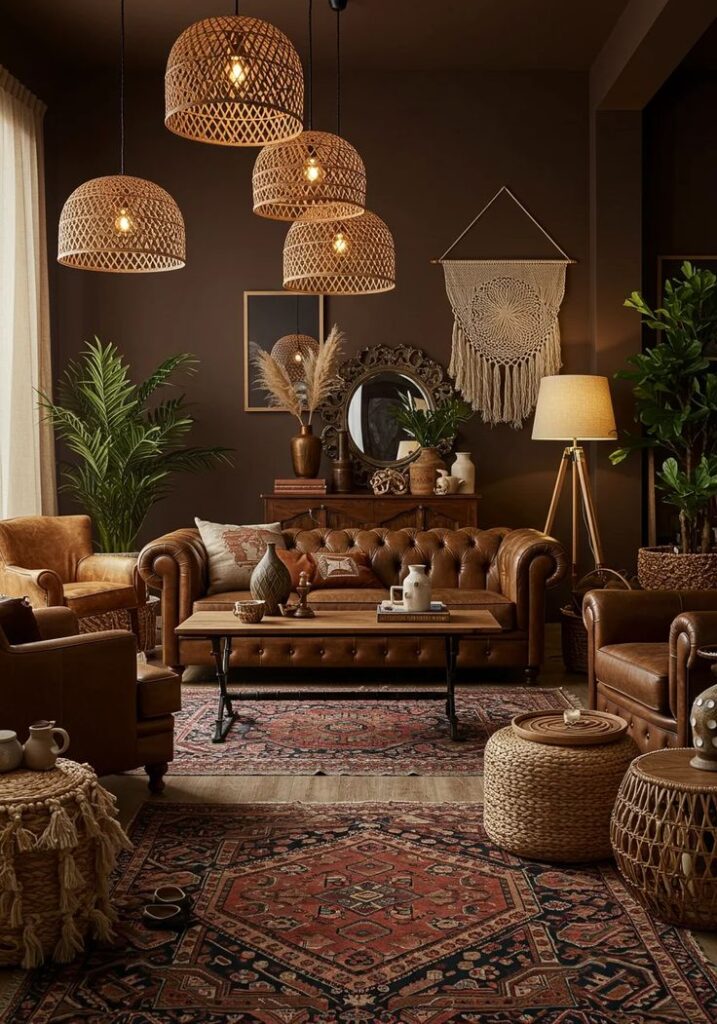
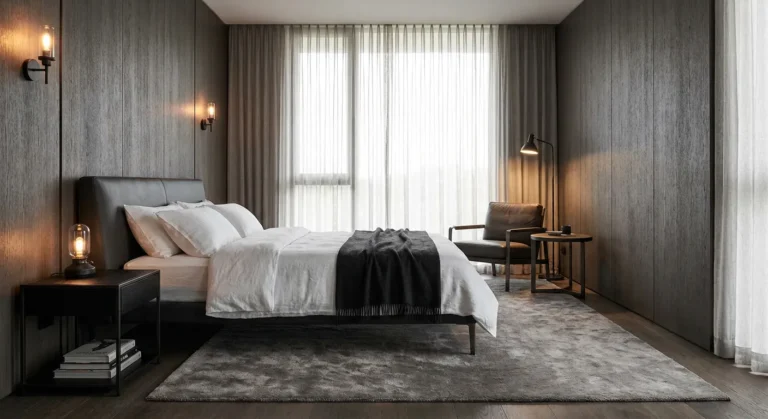
Dark, saturated walls set the entire mood faster than any other change.
You create instant drama without touching your furniture.
You also hide scuffs and small imperfections, which feels like winning at adulthood.
For a dark cozy living room, I lean toward colors that feel rich, not flat.
Think charcoal, ink blue, forest green, aubergine, or warm coffee brown.
These shades wrap the room in color and make everything look more intentional.
A few tricks help these colors work hard for you:
- Choose matte or eggshell finishes. Shiny paint reflects every lamp and TV glare.
- Paint the ceiling darker or the same color. You lower the visual height slightly and create a cocoon effect that feels amazing at night.
- Wrap the trim and doors. When you paint trim and doors the same deep color, you erase harsh lines and let your furniture and art take the spotlight.
Worried you shrink the room?
Dark paint actually pushes the walls back visually and can make everything feel calmer and more cohesive when you style the room well.
2. Layer Warm Lighting Like a Movie Set
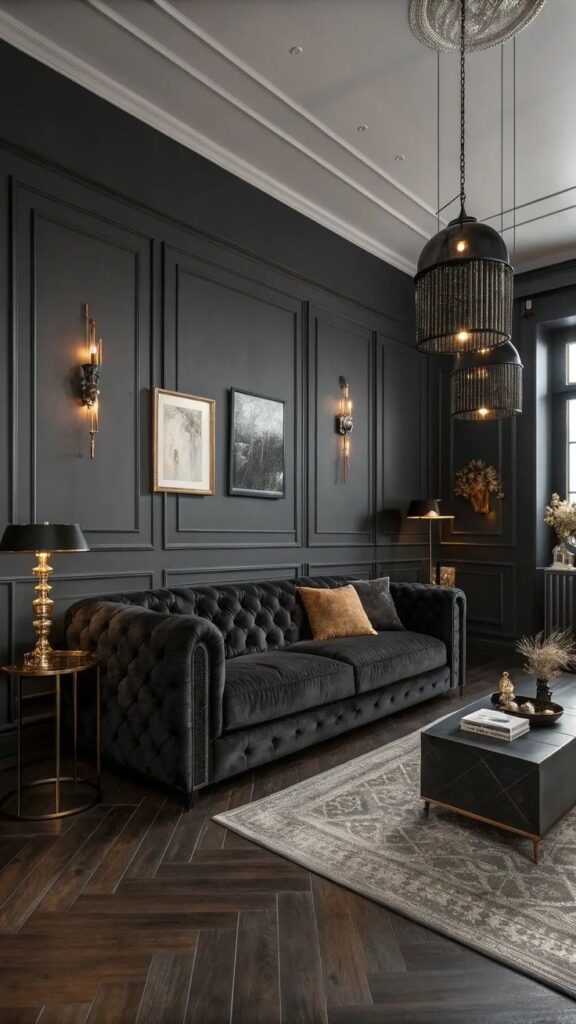
Dark walls love layered, warm lighting.
One sad overhead fixture kills the mood faster than bright blue daylight bulbs.
You want soft pools of light that create depth and shadow.
I use a simple three-layer rule for a moody living room:
- Ambient lighting – floor lamps, dimmable ceiling fixtures, or wall sconces that softly light most of the room.
- Task lighting – table lamps near sofas and chairs so you actually see your book or knitting.
- Accent lighting – picture lights, candlelight, or a tiny spotlight on a plant or sculpture for drama.
Choose warm white bulbs around 2700–3000K, not harsh cool white ones.
Warm bulbs flatter skin tones and make dark paint glow instead of look muddy.
If you only change one thing, swap your bulbs and add a dimmer, and you instantly shift the mood.
I hosted a game night once with only lamp light and candles in my charcoal living room, and everyone refused to leave.
The same people usually sprint for the door under my previous cold overhead light situation, so that contrast still makes me laugh.
Coincidence?
I doubt it.
3. Layer Texture Like a Stylist, Not a Furniture Catalog
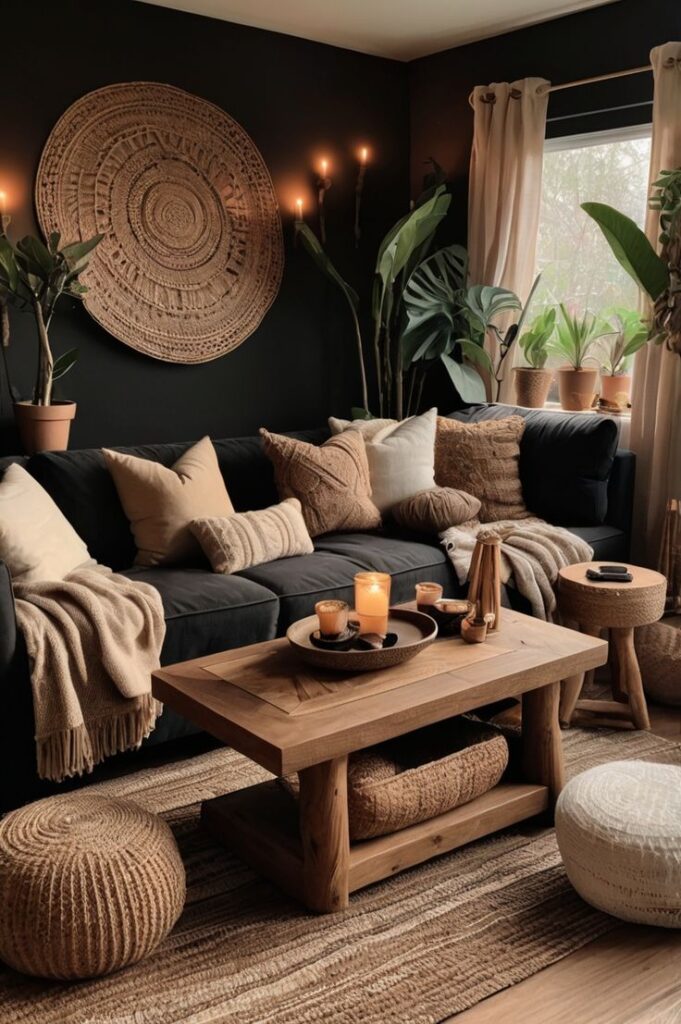
Dark rooms shine when you load them with texture.
Flat, matchy-matchy pieces make even good paint look sad.
You want materials that catch light differently and feel good when you touch them.
Mix textures like this:
- Velvet or chenille for sofas and cushions, because they absorb light and feel luxe.
- Bouclé or chunky knits for throws that instantly scream “curl up here.”
- Leather for chairs or an ottoman to add a bit of edge and patina over time.
- Natural wood for coffee tables, side tables, or shelving to warm up all that depth.
- Metal accents in brass, bronze, or black metal for lamps, hardware, and frames.
I once styled a dark living room with a velvet sofa, leather chairs, a jute rug, and linen curtains, and the whole space felt like a boutique hotel lounge.
You can steal that same formula and tweak the materials to match your style.
The key comes from mixing, not buying more stuff.
4. Use a Low, Plush Sofa as Your Cozy Anchor
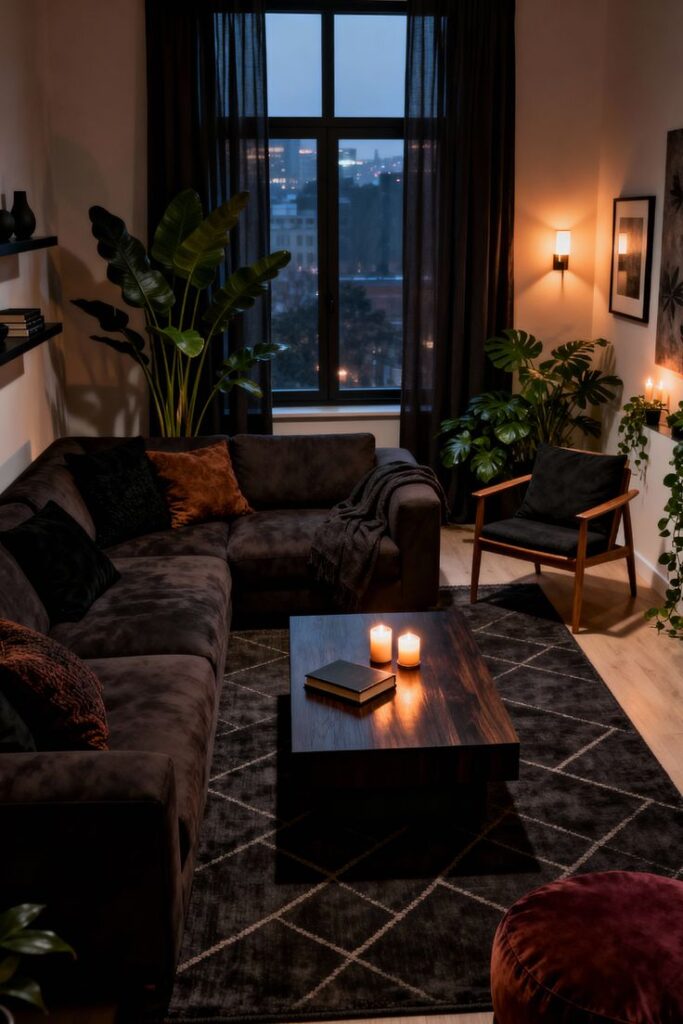
In a dark and moody living room, your sofa acts like the main character.
Choose one that begs you to flop down, not one that looks stiff and formal.
Low, deep sofas feel especially cozy in darker rooms because they keep the sightlines calm and grounded.
Look for sofas with these features:
- Deep seats so you lounge, nap, and slouch without fighting the cushions.
- Soft, textured fabric like velvet, chenille, or washed linen.
- Rounded arms or curves to soften shadows and corners.
- Rich but practical colors like charcoal, chocolate, dark olive, or camel.
If you already own a lighter sofa, you still join the moody club.
Add a dark throw, oversized pillows, and a cozy rug to visually ground it.
You create that same cocoon feeling without replacing your biggest piece.
5. Go Big With Art and Moody Photography
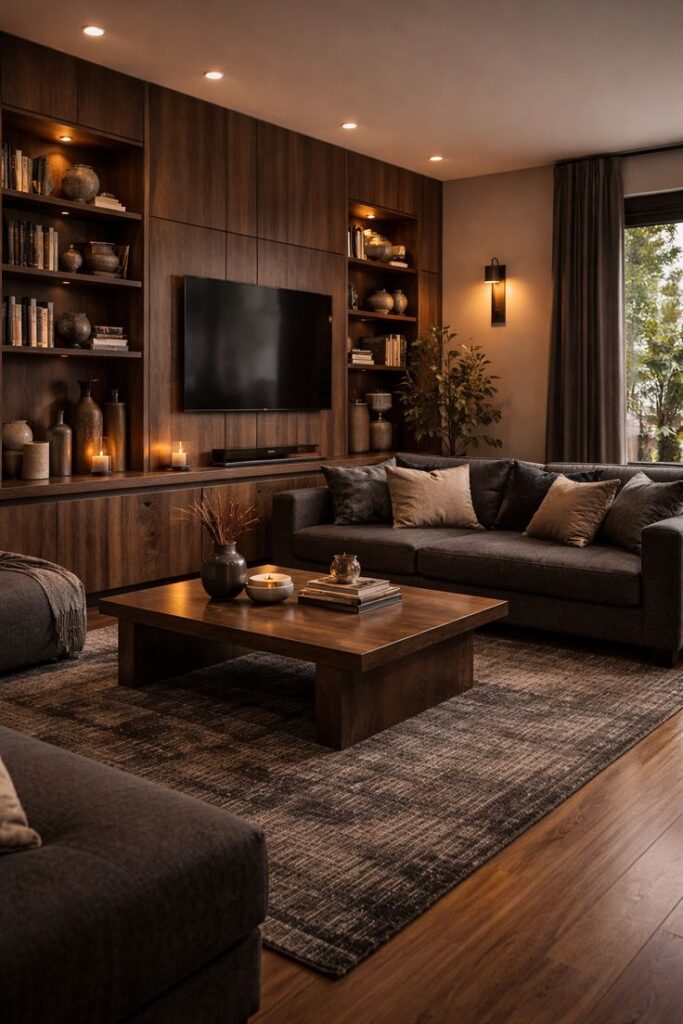
Dark walls absolutely love oversized art.
Small pieces float and look a bit random, but big art feels intentional and dramatic.
Think of your wall as a gallery backdrop and commit.
Great options for moody living room walls include:
- Black-and-white photography with strong contrast.
- Dark florals or landscapes that echo your wall color.
- Abstract pieces with deep blues, greens, or rust tones.
- Vintage oil paintings in simple, modern frames for tension between old and new.
I once hung a giant black-and-white cityscape over a dark navy sofa, and it instantly pulled the whole room together.
Clients always comment on that piece first, not the wall color, which tells you how much art directs the mood.
So if you fear dark paint, start with large moody art and build out.
6. Use Contrast So the Room Feels Rich, Not Gloomy
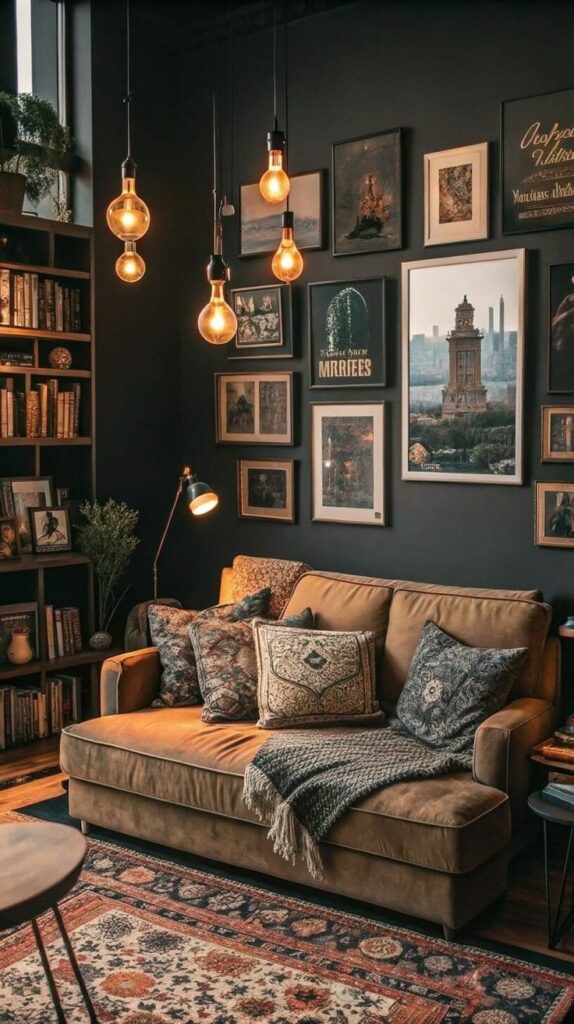
You create a better dark and moody living room when you actually include some contrast.
If everything reads dark, the room can feel flat or heavy.
Your eye needs a few lighter or shinier moments so the darkness feels deliberate.
Try contrast in these ways:
- Light textiles like a cream or oatmeal rug, even if your walls stay almost black.
- Pale woods in side tables or picture frames to bring warmth.
- Mirrors or metallic accents to bounce a little light around.
- Lighter art backgrounds so pieces pop off the wall.
I usually aim for about 70% dark elements and 30% lighter or reflective ones.
That balance keeps the room moody but still livable.
You adjust that ratio based on how much natural light your room gets and how dramatic you feel that week.
7. Add Natural Elements So the Room Still Breathes
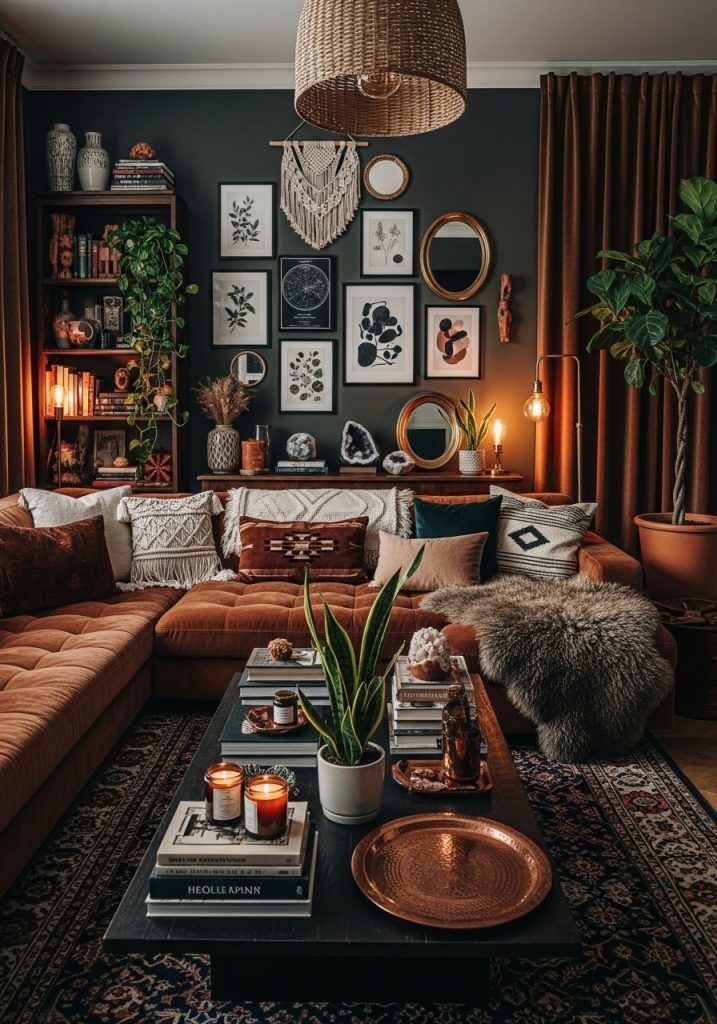
Dark rooms crave natural elements just as much as bright ones do.
Plants, wood, stone, and woven fibers keep the room from feeling too staged or gloomy.
You can bring nature into a moody living room with:
- Large leafy plants like fiddle-leaf figs, rubber trees, or monsteras in simple pots.
- Dried branches or grasses in dark vases for sculptural height.
- Raw or lightly finished wood for shelves, benches, or side tables.
- Stone pieces like travertine, marble, or slate on coffee tables or mantels.
I keep a big rubber plant in my charcoal living room, and everyone assumes it came with the house because it suits the space so well.
Green against dark paint looks ridiculously good and feels almost cinematic.
You also gain a built-in excuse to buy more plants, which never hurts.
8. Create a Statement Wall Without Going Full Shiplap
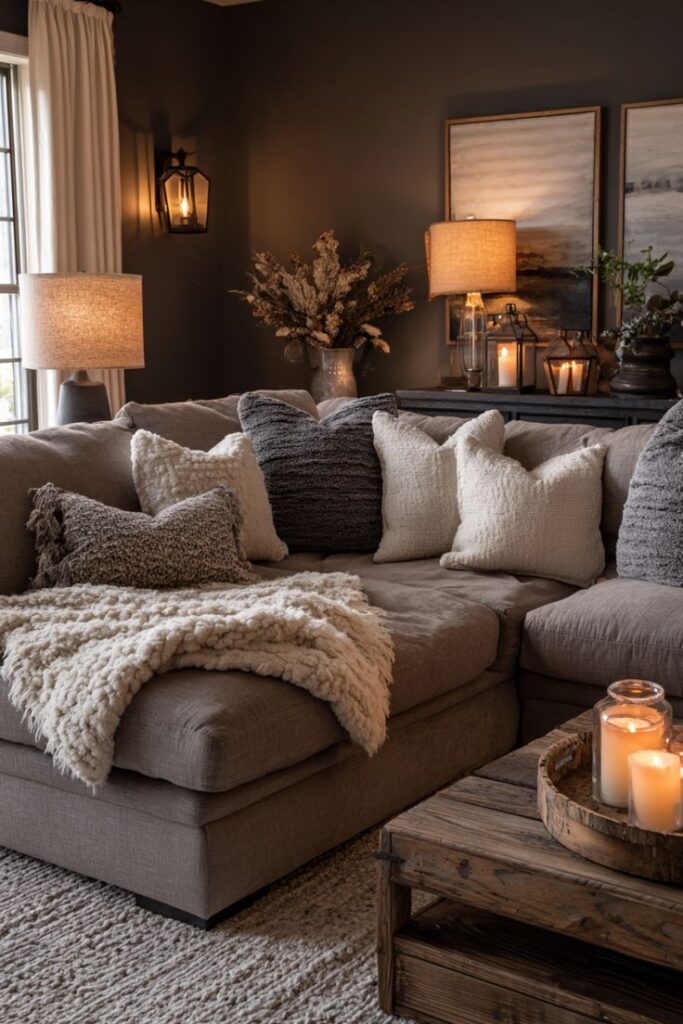
You still create a ton of drama even if you only commit one wall to a special treatment.
A statement wall in a dark living room adds depth without overwhelming smaller spaces.
Moody Wall Ideas That Actually Work
Consider these options:
- Textured paint or limewash. These finishes add movement and highlight brush strokes, so the wall never feels flat.
- Dark patterned wallpaper. Think tonal florals, geometric prints, or subtle murals for extra personality.
- Wood paneling or slats. Vertical lines stretch the room height, while a deep stain keeps everything moody.
- Painted brick or stone. A dark coat unifies random materials and instantly modernizes older fireplaces.
I tested peel-and-stick dark wallpaper behind my sofa before I painted the whole room, and that experiment gave me the confidence to go bolder.
If you feel nervous, sample first, then level up once you love the vibe.
9. Style With Textiles That Feel Like a Hug
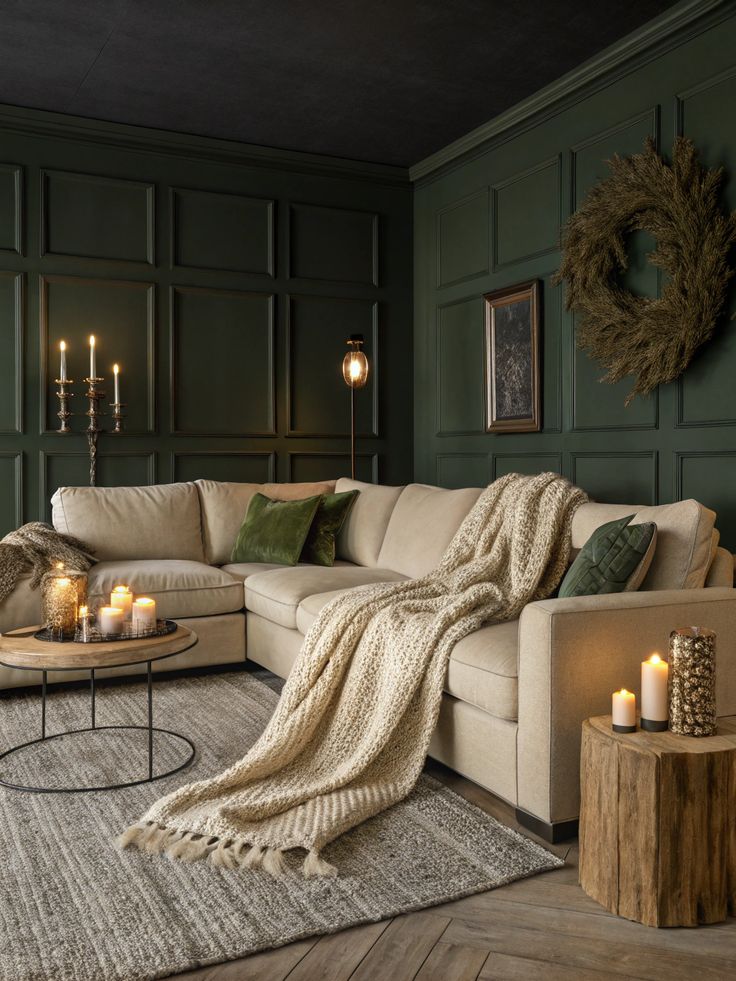
You seal the deal on coziness with rugs, pillows, throws, and curtains.
These pieces soften all the hard surfaces and invite people to actually lounge.
For a dark and moody living room that still feels soft, I usually:
- Layer rugs – a flatweave base with a plush, smaller rug on top near the sofa.
- Choose lined, full-length curtains that puddle slightly and block glare.
- Mix pillow sizes and fabrics so the sofa looks collected, not straight from a showroom.
- Add at least one throw blanket per seat because arguing over throws ruins the vibe.
My partner once complained about “too many pillows” until he realized he napped better surrounded by them.
Now he guards his corner like a dragon with a hoard of cushions.
Moral of the story: never underestimate the power of textiles.
10. Finish the Mood With Scent, Sound, and Small Details
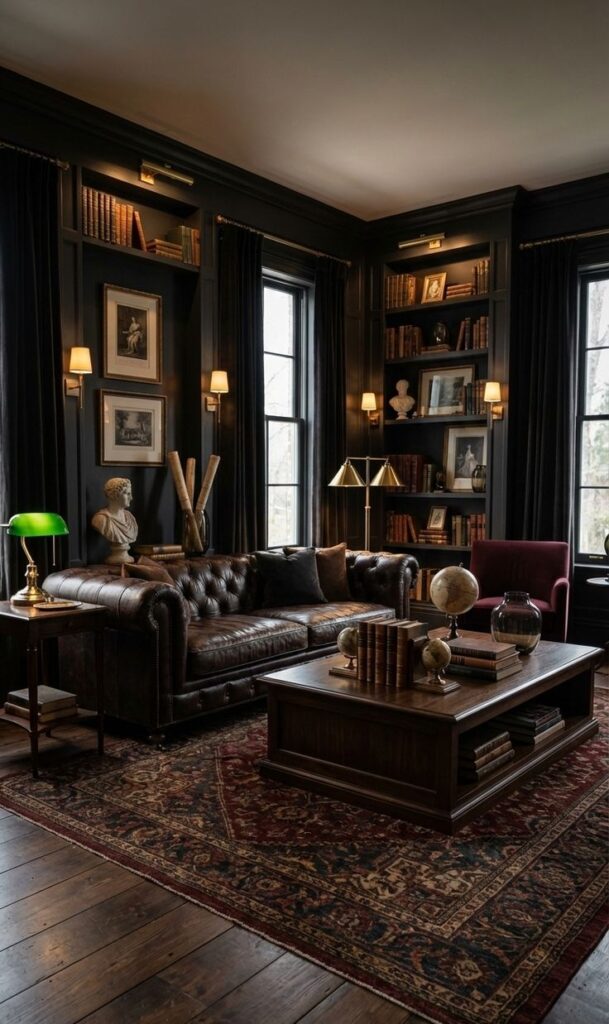
You create a true dark cozy living room when you engage more than just your eyes.
The little sensory details push the room from “nice” to “oh wow, I never want to leave.”
I like to treat dark living rooms almost like lounges and add:
- Scent – candles, incense, or diffusers with notes of smoke, cedar, amber, or vanilla.
- Sound – a small speaker for low playlists, rain sounds, or jazz during late nights.
- Trays and bowls – dark ceramic or wood to hold remotes, matches, and clutter so surfaces still look intentional.
- Personal objects – books, travel finds, vintage pieces, or family photos in simple frames.
One friend walked into my moody living room during a storm while a vinyl record played and a candle burned, and she said, “Okay, this feels like a movie set.”
That comment still ranks high on my list of top interior compliments, IMO.
Ready to Build Your Own Dark & Moody Living Room?
A dark and moody living room does not equal a sad, dim cave.
When you choose deep color, layer lighting, add texture, and bring in natural elements, you create a space that feels dramatic and insanely cozy at the same time.
You also give yourself a backdrop that flatters every movie night, glass of wine, and messy bun.
If this feels like a big leap, start small.
Swap your bulbs, add a couple of dark pillows, hang one big moody art piece, and see how the room shifts.
Then you adjust from there until the space matches the version in your head.
FYI, you do not need a huge budget to nail this look.
You mostly need courage, paint, a few great lamps, and a commitment to texture.
You already read this far, so I trust you have the courage part covered.