10 Living Room Wall Design Ideas Using Paint, Panels, and Texture
You stare at your living room wall and feel… nothing.
No joy, no drama, no vibe. Just beige. So much beige.
I’ve stood in that exact spot and thought, “Cool, this room feels like an office waiting area.” So I started playing with paint, wall panels, and texture and honestly, the walls now carry half the design work for the whole space.
You feel ready to turn those blank walls into actual design moments? Let’s talk 10 living room wall design ideas that use paint, panels, and texture and actually feel livable, not showroom-weird.
1. Go Bold With a Single Accent Wall
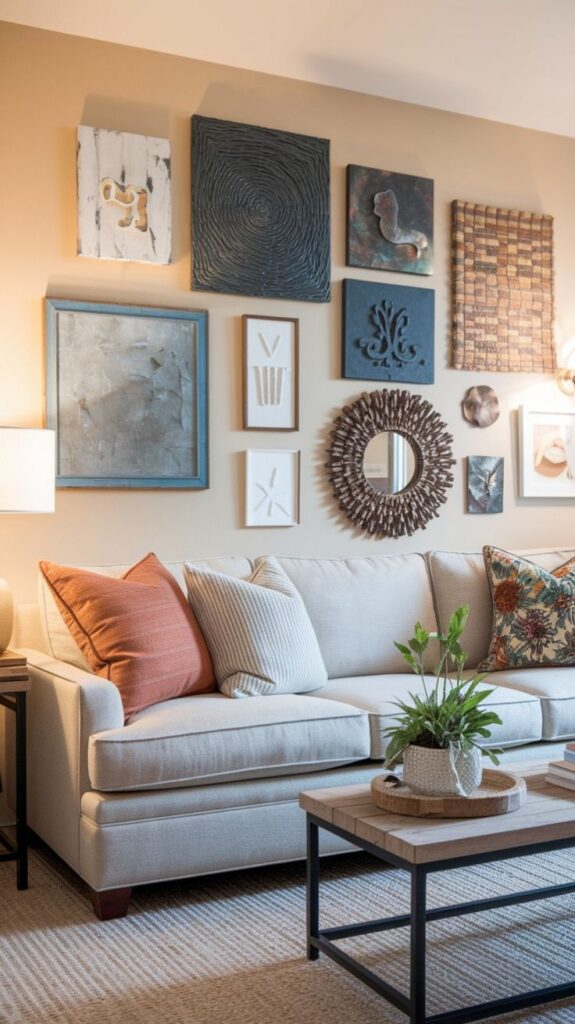
You want easy impact with minimal chaos? You paint one bold accent wall and let it steal the show.
I love this trick in small or medium living rooms because it adds drama without swallowing the space. You pick your strongest wall—usually the one behind the sofa or TV—and you commit.
Great colors for a living room accent wall:
- Deep navy or ink blue for a cozy, moody vibe
- Charcoal gray for a modern, calm look
- Terracotta or rust for warmth and character
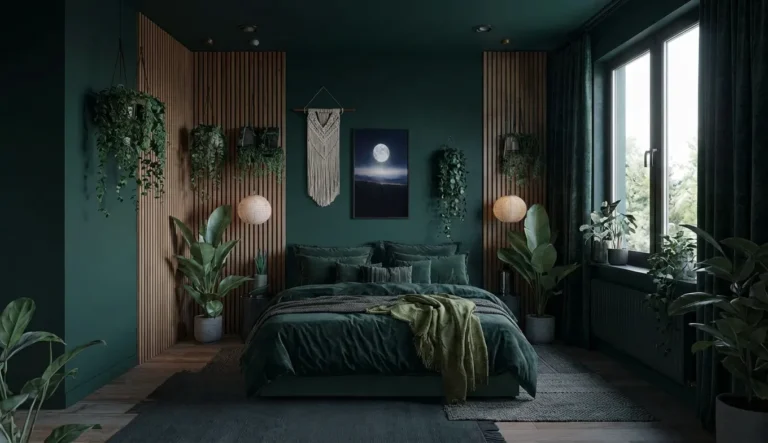
- Forest green for a rich, earthy feel
You keep the other walls neutral, and the accent wall carries the personality.
Ever notice how one strong color suddenly makes the furniture and art look intentional?
Quick tips:
- You test 2–3 samples and check them in daylight and at night.
- You match the wall color to one color in your rug, art, or cushions.
- You avoid crazy bright neons unless you enjoy headaches 🙂
2. Try Two-Tone Color Blocking
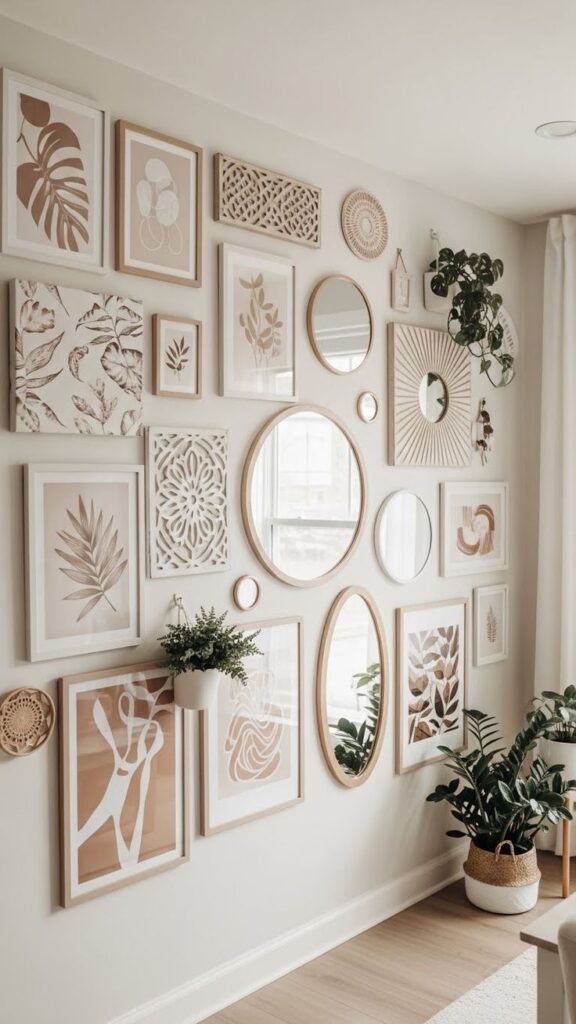
If one solid color feels too basic, you split the wall into two colors and create a color-blocked look.
You paint the bottom half darker and the top half lighter. This trick fakes the effect of paneling and adds height and style without actual carpentry.
Why two-tone walls work so well:
- You ground the room with a darker bottom color.
- You keep things airy with a light top color.
- You hide scuff marks on the lower part (families: you know).
Nice color combos for living room walls:
- Warm white + greige
- Sage green + cream
- Deep blue + soft beige
You run painter’s tape across the wall at the height you want (usually between 90–120 cm / 3–4 ft from the floor) and you paint from there. You get a custom, designer look from two cans of paint. Not bad, right?
3. Add Depth With Textured Paint
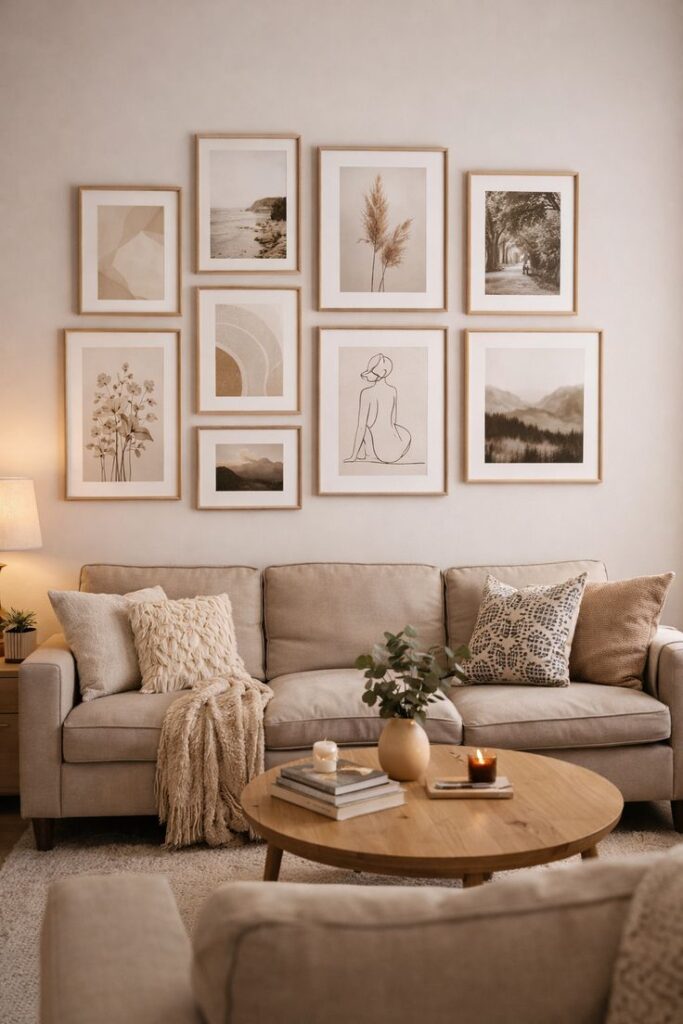
Flat paint looks clean, but sometimes it also looks… flat. You want texture when you crave depth, coziness, and that slightly “designed” feel.
You use textured paint finishes and create movement on the wall:
- Limewash paint gives soft, cloudy variations.
- Roman clay or plaster-style paints create a velvety, matte texture.
- Subtle sponge or rag techniques add visual texture without looking like an 80s restaurant.
I used limewash in my own living room on just one wall, and the room instantly felt softer and more high-end, even though the furniture stayed the same. Ever see a wall that looks expensive but you can’t figure out why? Texture usually does that.
Tips for textured paint walls:
- You choose muted, natural tones (think sand, mushroom, stone, clay).
- You practice on a small area or sample board first.
- You keep the rest of the decor simple so the wall texture stands out.
4. Warm Things Up With Wood Wall Panels
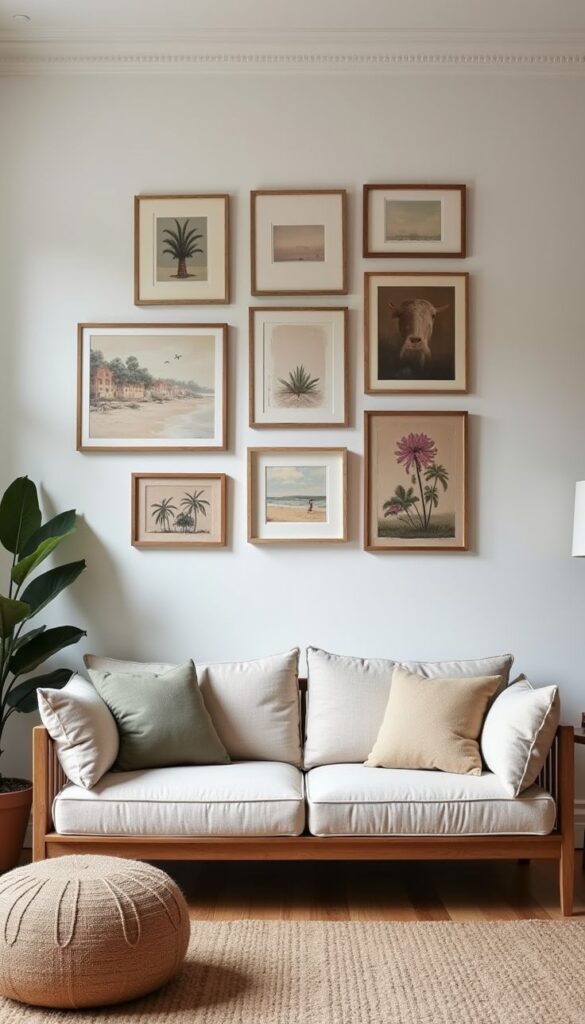
If you want your living room to feel cozy and architectural, you install wood wall panels on one main wall.
You don’t need to cover the whole room; in fact, one paneled wall behind the TV or sofa usually feels just right.
Panel style options:
- Flat wood panels for a mid-century, minimal vibe
- Shiplap for a relaxed, coastal or farmhouse feel
- Vertical tongue-and-groove for height and a clean, modern look
Wood adds warmth and texture that paint alone can’t match. You also soften echo and noise, which matters if your living room has hard floors and big windows.
Pro tips:
- You choose a warm wood tone if your space feels cold.
- You paint the panels and match or contrast them with the other walls.
- You hide cables or TV wires behind the panels when you install them (future you says thanks).
5. Create a Modern Look With Slat Walls and Battens
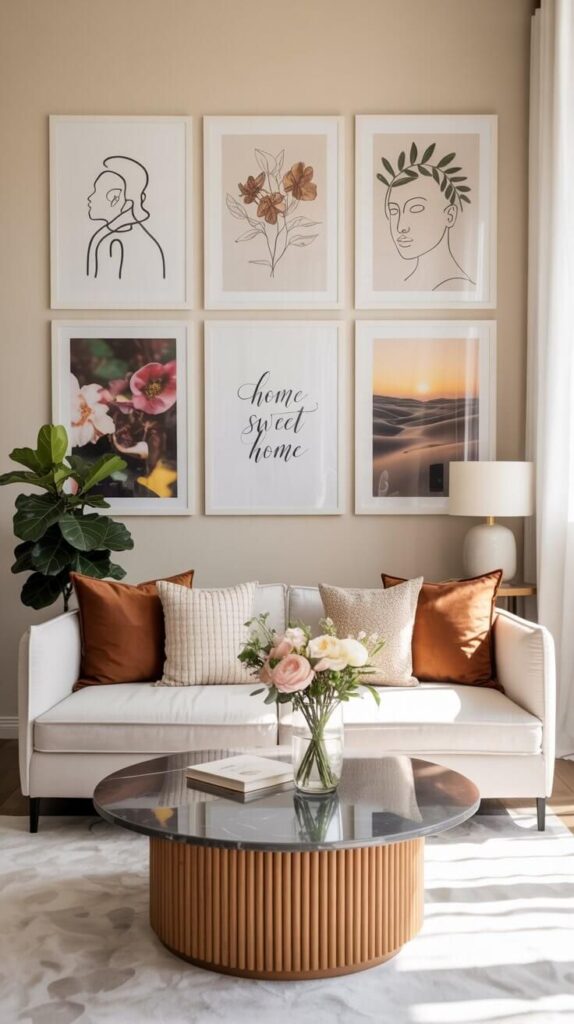
You probably see slat walls all over Pinterest and Instagram… and for once, the hype makes sense.
You install thin vertical slats or battens on a wall and either keep them in wood or paint them the same color as the wall. The texture feels modern but still warm.
Why slat walls look so good:
- Vertical lines stretch the room and make ceilings feel taller.
- The repeated lines add texture without visual clutter.
- You highlight one wall and keep the others simple.
You can:
- Use natural wood slats against a painted wall
- Paint slats and wall the same color for subtle 3D texture
- Run slats behind the TV for a super clean, built-in feel
FYI, I like this approach when I want a “wow” wall that still works with different furniture styles over the years.
6. Use Wainscoting and Molding for Classic Detail
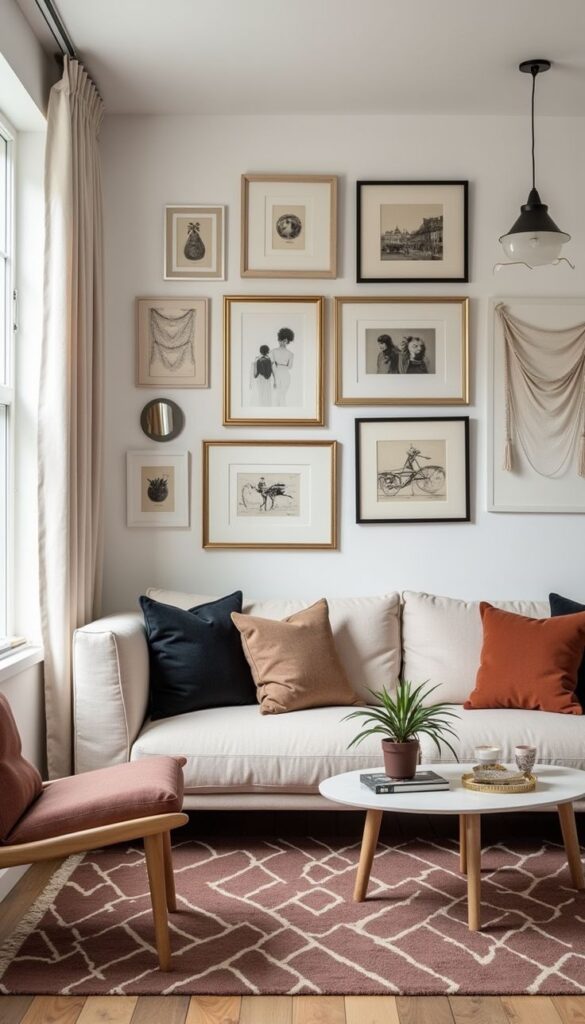
You want a bit of a “grown-up” living room? You add wainscoting or picture frame molding and paint everything in a single color.
You create frames with trim on the wall and then paint the wall and trim together. This method looks fancy, but you can install it with basic tools and patience.
Great ways to use molding:
- Picture frame molding (rectangles or squares) on the main wall
- Board-and-batten on the lower half of the wall
- Full wall moldings around a fireplace or TV wall
You keep it modern with simple, clean lines and avoid super ornate Victorian shapes unless that matches your house.
Color ideas:
- Soft white for an elegant, gallery-style look
- Moody deep green, blue, or charcoal for dramatic evenings
- Warm beige or greige for subtle texture and depth
7. Go Textured With Plaster, Limewash, or Faux Concrete
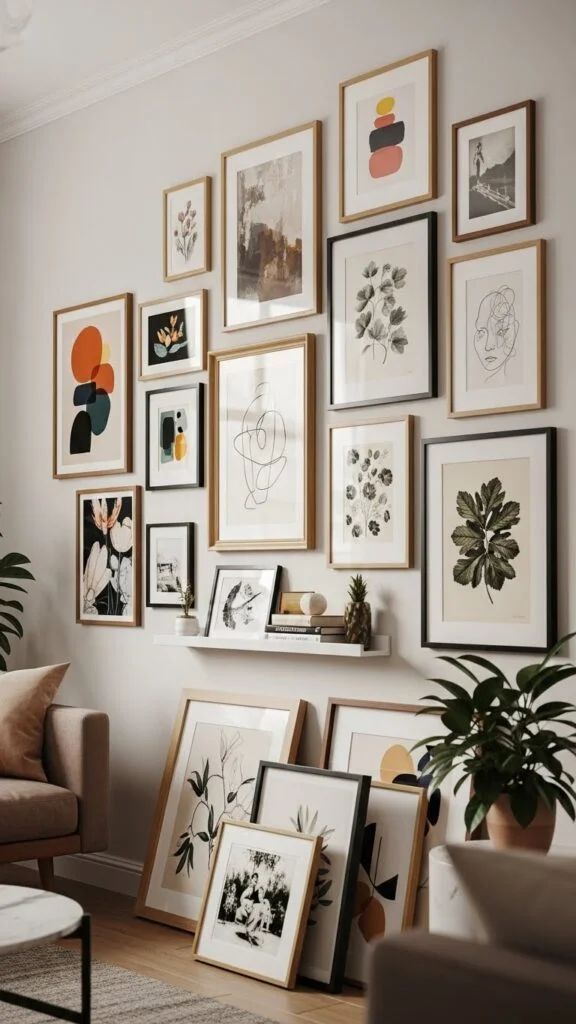
You want that boutique-hotel wall that looks lived-in but polished? You go for plaster-style finishes.
You can use:
- Lime plaster for a soft, natural texture
- Venetian plaster for a more polished, reflective surface
- Faux concrete paint for a modern, loft-style edge
I once helped a friend choose a faux concrete wall behind her TV, and the wall instantly gave the room that “designer rented this place first” vibe. Ever see a gray wall that feels rich instead of cold? That usually comes from the variation in tone and texture.
How to keep it from feeling too industrial:
- You add warm lighting (table lamps, wall sconces).
- You bring in textiles: chunky knits, linen, wool rugs.
- You mix in warm woods and plants so the wall doesn’t dominate.
8. Paint Simple Geometric Shapes and Murals
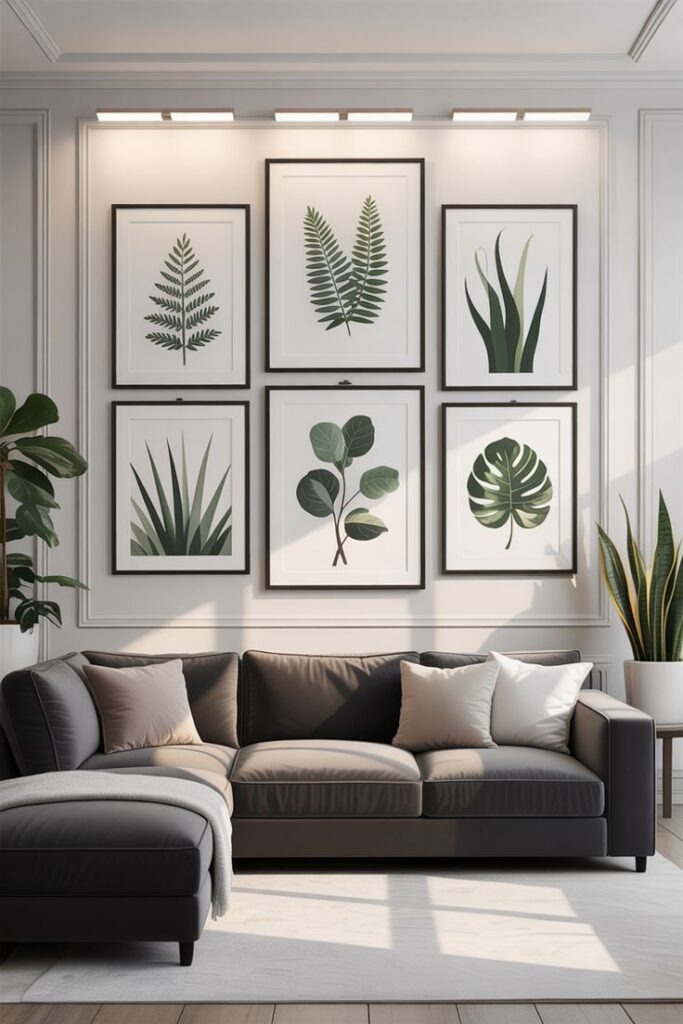
You don’t need to know how to draw to create a cool geometric wall design.
You grab some painter’s tape, a few colors, and create arches, blocks, or diagonal shapes on your wall. This method works especially well behind the sofa or as a backdrop for open shelving.
Easy painted shape ideas:
- A large arch behind the TV or sofa
- A horizontal color band that runs behind shelves and art
- Overlapping circles or blocks in similar tones
You keep your shapes large and simple so the wall doesn’t turn into chaos. Think “graphic design” not “kindergarten art project”. IMO, three colors usually hit the sweet spot.
Tips:
- You repeat those wall colors in pillows, throws, or art.
- You keep at least one neutral color in the mix.
- You test the design with painter’s tape outlines before you commit.
9. Mix Paint With Textured Wallpaper or Wallcoverings
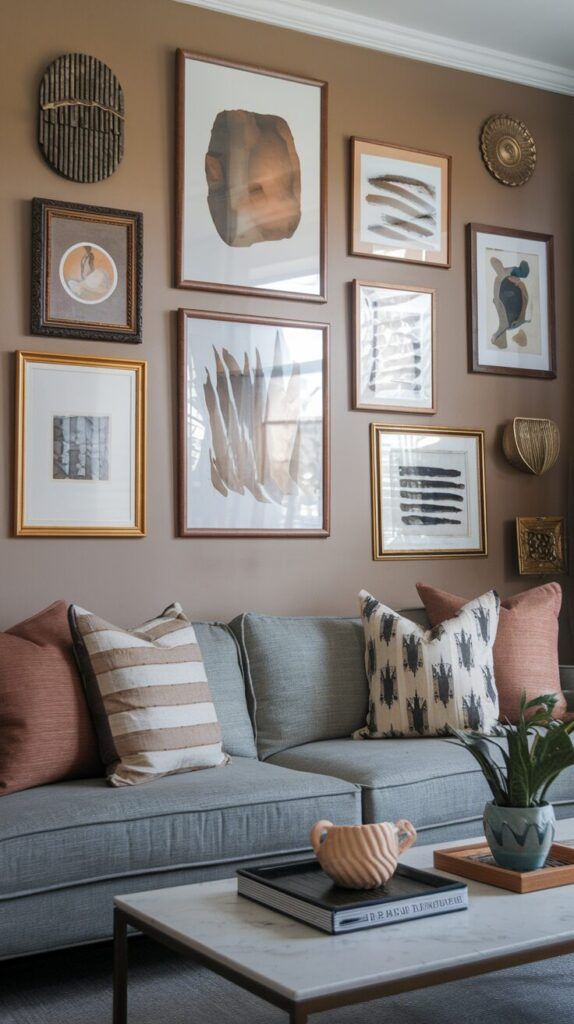
Yes, the title says paint, panels, and texture, and yes, I still sneak in textured wallpaper because it counts as texture and looks amazing.
You paint most of the living room and add one wall or section with wallpaper or a textural wallcovering. You don’t need a wild pattern; you can choose subtle texture instead.
Great wallpaper styles for living rooms:
- Grasscloth for rich, natural texture
- Linen-look wallpaper for a soft, fabric effect
- Soft geometric or stripe patterns for quiet interest
You then pull a color from the wallpaper and paint the surrounding walls to match or complement it. This combo makes the whole room feel cohesive.
Why this trick works:
- You get texture and pattern in a controlled area.
- You still keep most walls simple with paint.
- You can swap the wallpaper later without repainting everything.
Just avoid super glossy, cheap-looking prints in the main living room wall unless you want nightclub energy 24/7 :/
10. Build a Mixed-Material Feature Wall
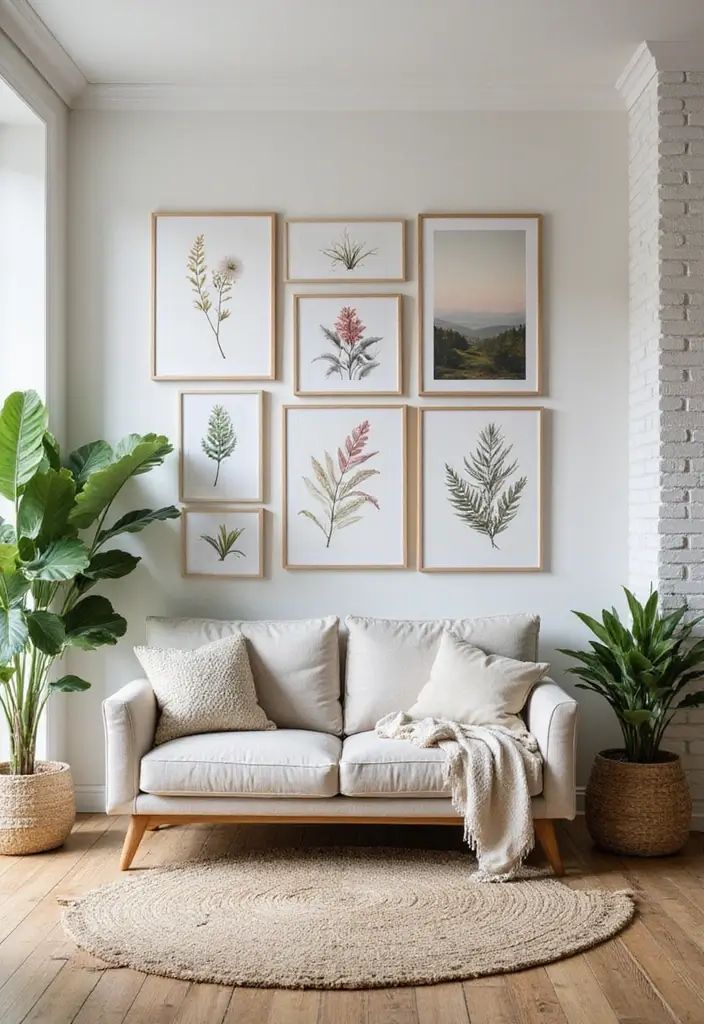
You want a showstopper? You mix materials on one big feature wall and treat it like a design project, not just a paint job.
You combine paint, panels, and texture in one composition. For example:
- You frame a central area with wood slats, then paint the rest.
- You add molding and use textured paint inside each panel.
- You run a slab-look panel (stone, tile, or faux stone) in the center and paint around it.
I love this approach around a fireplace wall or TV wall, because that area already acts as a focal point. You just help it look intentional.
Planning tips:
- You sketch the wall and mark where the TV, art, and furniture sit.
- You keep 2–3 materials max so the wall still feels calm.
- You repeat those materials in small ways around the room (wood in coffee table, stone in side table, same paint color in hallway, etc.).
When you treat one wall like this, the whole living room feels custom. People will ask for your “designer’s contact,” and you can just point at yourself 😉
How to Choose the Right Wall Idea for Your Living Room
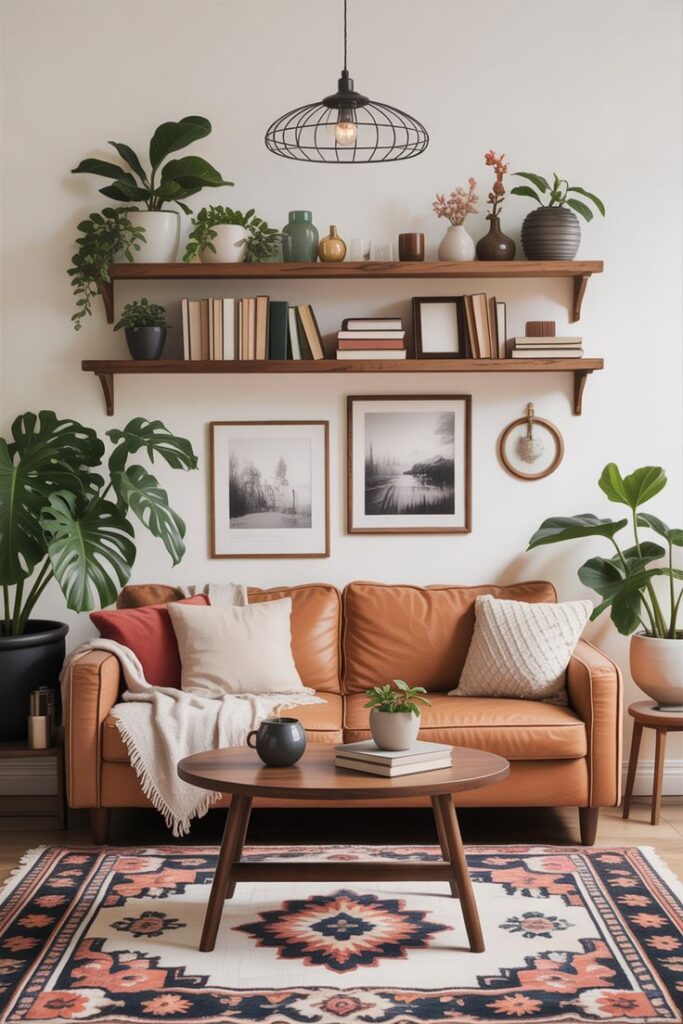
You probably feel tempted to try everything at once, but your walls like a little restraint.
You ask yourself:
- What does my living room need most?
- More warmth → wood panels, slats, warm paint
- More character → texture, molding, geometric paint
- More calm → soft limewash, simple two-tone walls
- Which wall acts as the natural focal point?
- Behind the sofa
- Around the TV
- Around a fireplace
You start with one main feature wall and keep the others quieter. You let your rug, sofa, and art support that choice, not fight with it.
Final Thoughts: Let Your Walls Do the Work
Your living room wall doesn’t need to stay flat, boring, or “rental beige forever.” You can use paint, panels, and texture and build a space that actually feels like you live there… in a good way.
You can:
- Paint a bold accent wall
- Try two-tone color blocking
- Add texture with limewash or plaster
- Install wood panels, slats, or molding
- Create a mixed-material feature wall that anchors the whole room
You don’t need unlimited budget; you just need one strong idea and a bit of commitment. So pick one wall, choose one of these living room wall design ideas, grab your paint or panels, and start.