10 Room Inspo Ideas for Small Rooms That Feel So Much Bigger
Small rooms can feel like cozy little nests… or like you accidentally rented a stylish closet. And if you live in a studio or a tiny bedroom, you already know the struggle: you want small room design that feels open, not cramped.
I learned this the hard way in my first apartment, where my “living room” shared airspace with my laundry basket and my questionable life choices. I tried to fix it with more stuff (because of course I did), and the room fought back by looking even smaller. Want room inspo ideas for small rooms that actually work? Let’s make your space feel bigger without pretending you can “just knock down a wall.”
1) Use a Light, Tonal Color Palette (But Keep It Interesting)
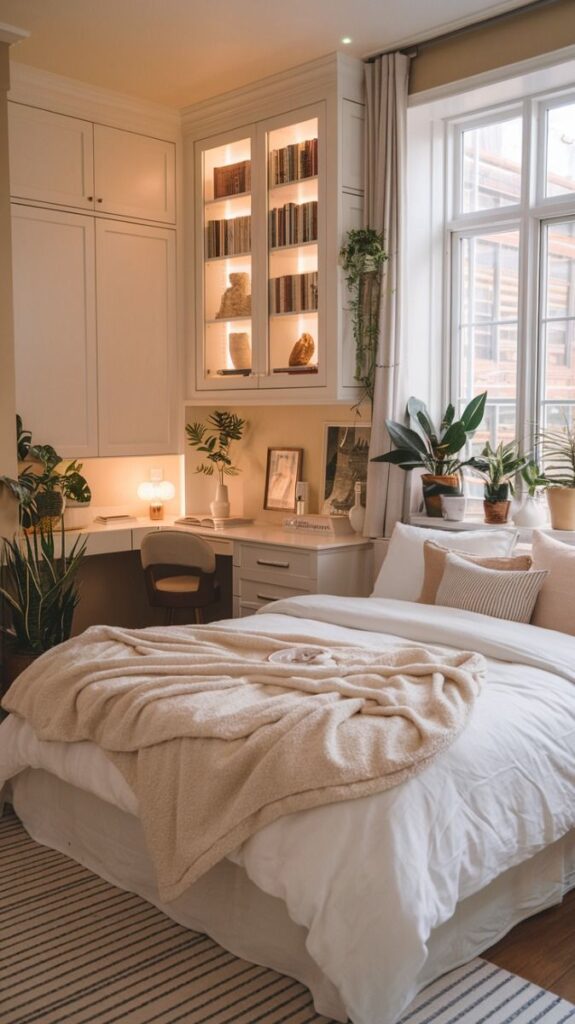
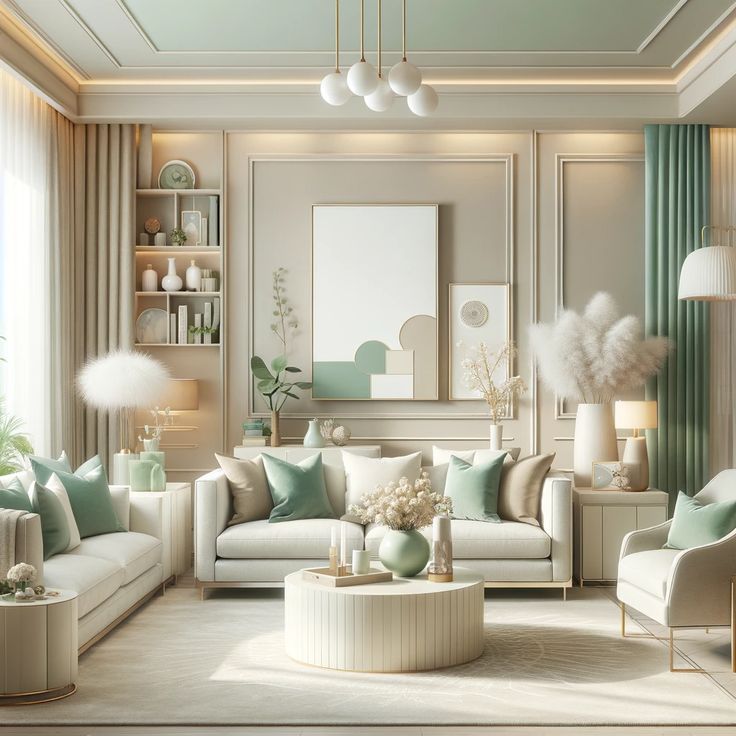
Light colors help small rooms feel bigger because they bounce light around the space. I know, “paint it white” sounds like the boring advice everyone gives, but you can make it look rich and intentional. You just need a tonal palette instead of a blank-box vibe.
I stick to one main color and then layer similar shades. Ever notice how a room feels calmer when everything plays nicely together? That’s tonal decorating doing its thing.
Try My Simple “3-Shade” Rule
Pick:
- 1 base shade (walls or big furniture)
- 1 supporting shade (rug, curtains, bedding)
- 1 accent shade (pillows, art, throws)
IMO, warm whites and soft greiges feel less “hospital hallway” than icy bright white.
2) Hang Mirrors Where They Actually Do Something
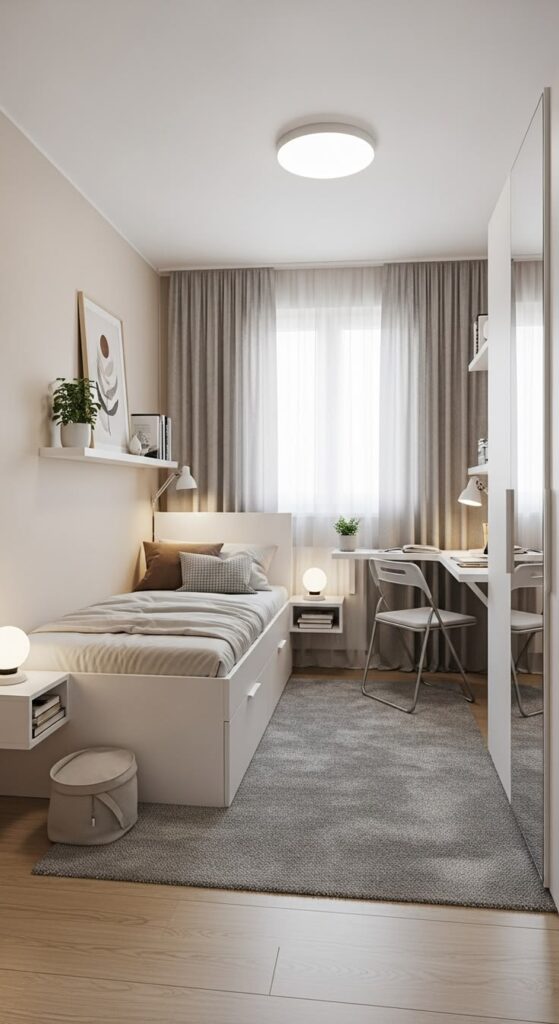
Mirrors don’t just look pretty—they stretch the light and fake extra depth. You can turn a dim corner into a brighter, bigger-feeling zone if you place a mirror with a plan. Why waste a mirror on a wall that already looks fine?
I like a mirror across from a window because it doubles the daylight. I also love a tall mirror leaning against a wall because it adds height without visual clutter.
Mirror placements that work fast:
- Across from a window to bounce natural light
- Behind a lamp to amplify warm glow
- Near an entry to open up tight walkways
3) Hang Curtains High and Wide (Yes, It Matters)
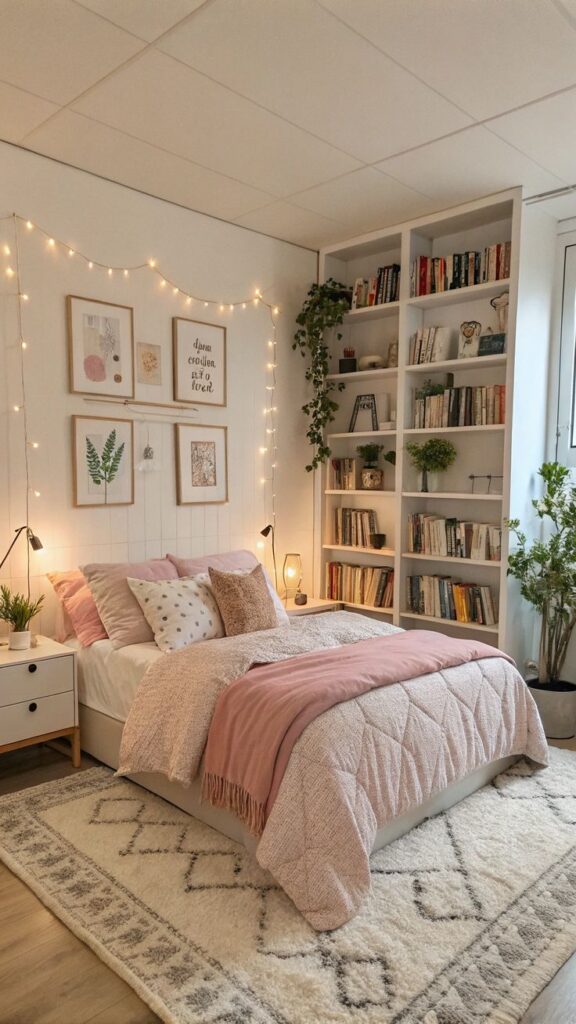
Curtains can make your windows look bigger, which makes your whole room feel bigger. You want the eye to travel up, not stop at a sad little window frame. Ever walked into a room and thought, “Why does this feel short?” Curtains usually cause that.
I mount curtain rods close to the ceiling and extend them past the window frame. That trick makes the window look wide even when it doesn’t try very hard.
Quick Curtain Setup (No Drama)
Do this:
- Mount the rod 4–8 inches below the ceiling
- Extend the rod 6–12 inches past each side of the window
- Choose long panels that kiss the floor
FYI, I always pick lighter fabrics for small rooms because they keep the space airy.
4) Choose Furniture That Pulls Double Duty
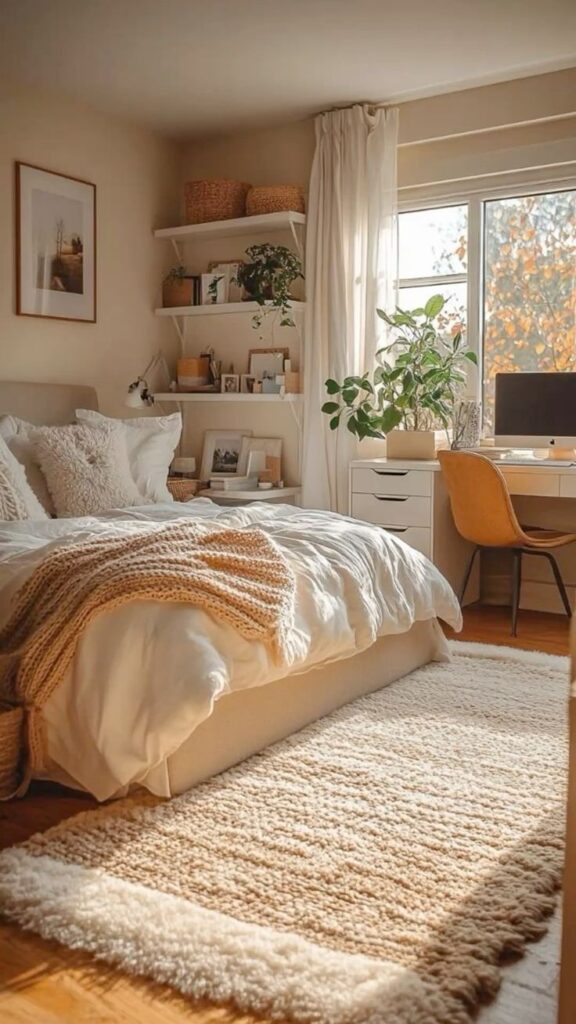
Small rooms can’t afford lazy furniture. Every piece needs to earn its spot, like it pays rent. When you pick multi-functional furniture, you gain storage and surface area without packing the room.
I swapped a bulky coffee table for a storage ottoman once, and my living room instantly felt less chaotic. You can stash blankets, remotes, or whatever random items multiply overnight.
My favorite small-space swaps:
- Storage ottoman instead of a solid coffee table
- Daybed or sleeper sofa instead of a full bed + couch combo
- Nesting tables instead of chunky side tables
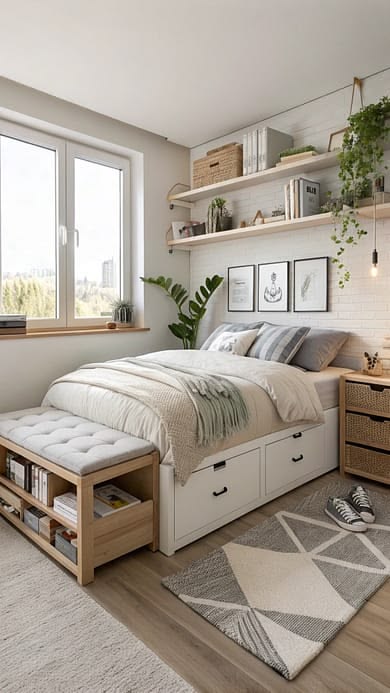
- Bed with drawers instead of a bed frame that does nothing
5) Float Furniture (Stop Gluing Everything to the Walls)
People shove furniture against walls because they think it creates space. Funny enough, that habit can make a room feel tighter and less intentional. You can create breathing room by floating key pieces and carving out clear pathways.
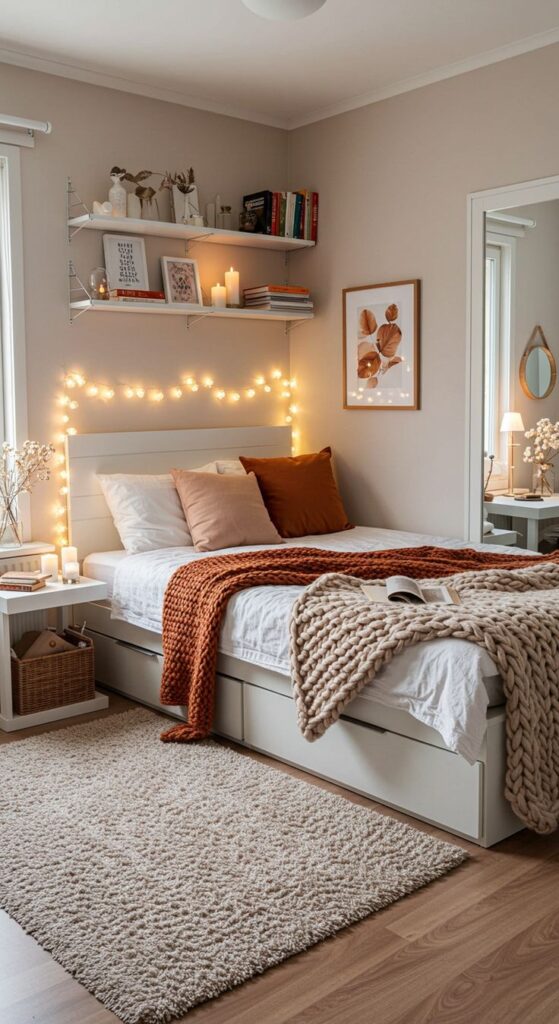
I pull my sofa forward a few inches and add a slim console behind it when space allows. That move gives the room depth and makes it feel designed, not accidental.
Try these layout tweaks:
- Pull furniture 2–6 inches off the wall
- Keep one clear walking lane through the room
- Use a rug to define a “zone” instead of scattering furniture
Ever notice how a clear path makes your brain relax? Your feet love it too.
6) Pick the Right Scale (And Let Your Furniture Show Its Legs)
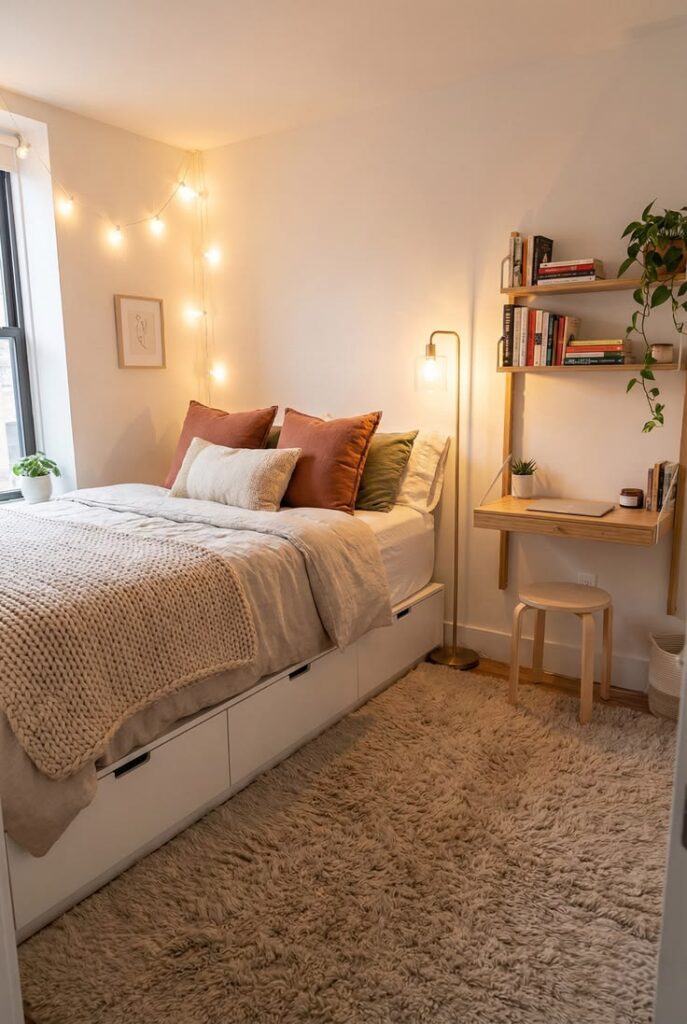
Oversized furniture bullies small rooms. Tiny furniture can look weird too, like dollhouse decor. You want right-sized pieces with visual lightness—especially items with exposed legs.
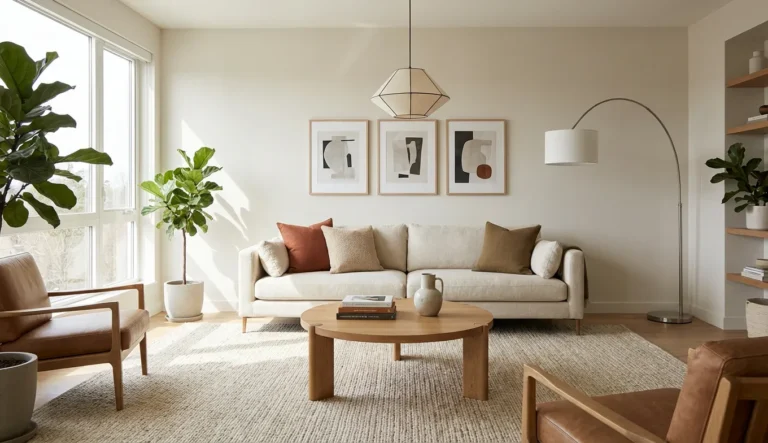
I love armless chairs, slim-profile sofas, and open-base nightstands because they show more floor. More visible floor makes the room feel bigger, even when the square footage stays the same.
My “Leggy Furniture” Favorites
Look for:
- Sofas with raised legs
- Open-frame chairs
- Wall-mounted nightstands
- Glass or acrylic side tables for low visual weight
Do you want the room to breathe? Let the floor show off a little.
7) Go Vertical With Storage (Because Walls Count as Space)
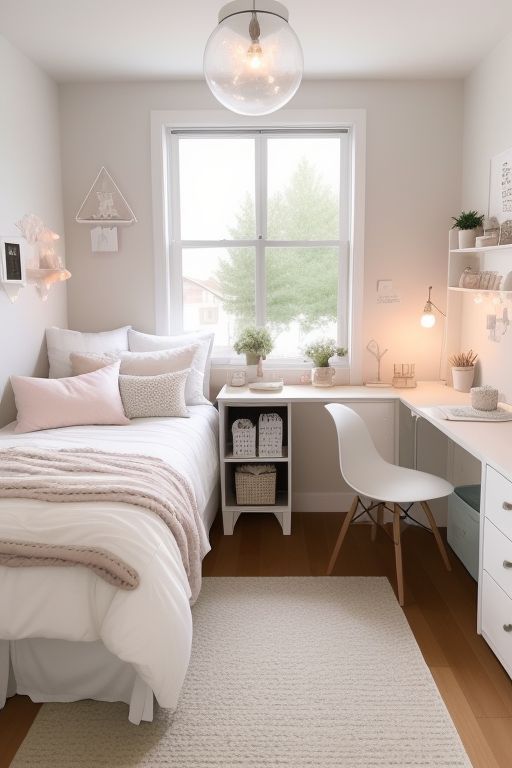
Small rooms need vertical thinking. You can’t expand the footprint, so you have to build upward. Tall shelving, wall hooks, and floating shelves give you storage without eating floor space.
I use tall bookcases to pull the eye up and make the ceiling feel higher. I also love a pegboard wall in a small office because it keeps the desk clear and the chaos contained.
Vertical storage ideas that look good:
- Tall bookcase that reaches near the ceiling
- Floating shelves above a desk or bed
- Over-the-door hooks for bags and jackets
- Pegboards for supplies, accessories, or tools
8) Hide the Mess (Because Visual Clutter Shrinks a Room)
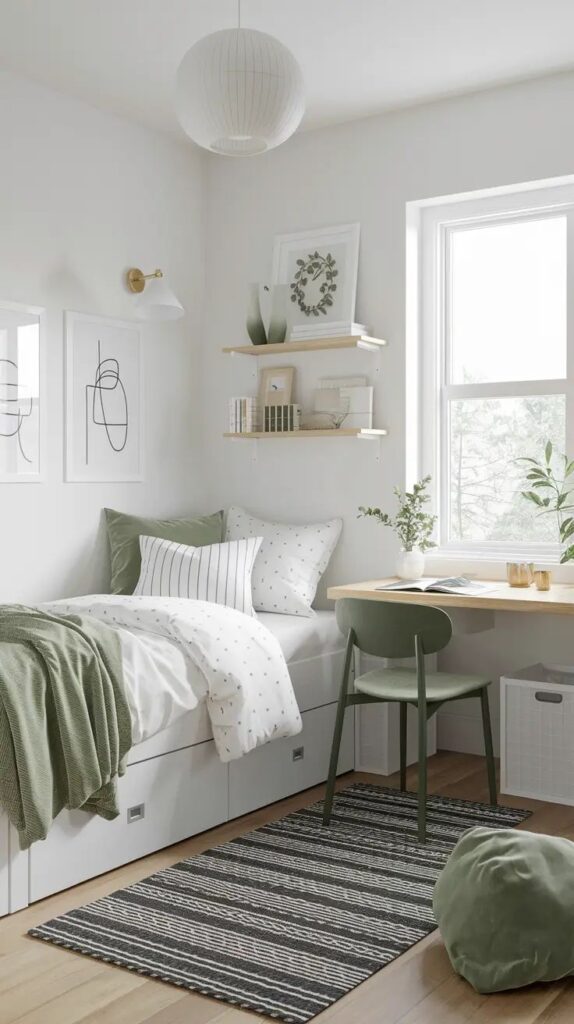
Clutter makes small rooms feel smaller, even when the room technically holds everything. You don’t need to become a minimalist monk, but you do need a plan. I keep surfaces as clear as possible because my brain treats clutter like background noise.
Closed storage helps the most. Open baskets help too, as long as you don’t toss every random item into them and call it “organized.” (We’ve all tried that. The basket knows the truth.)
Easy clutter control that looks intentional:
- Use matching bins on shelves for a clean look
- Add under-bed storage for off-season stuff
- Choose closed cabinets over open shelving when possible
- Keep one “drop zone” tray for daily items
Ever notice how a clear tabletop makes the whole room feel calmer?
9) Layer Lighting (And Replace the Overhead Doom Light)
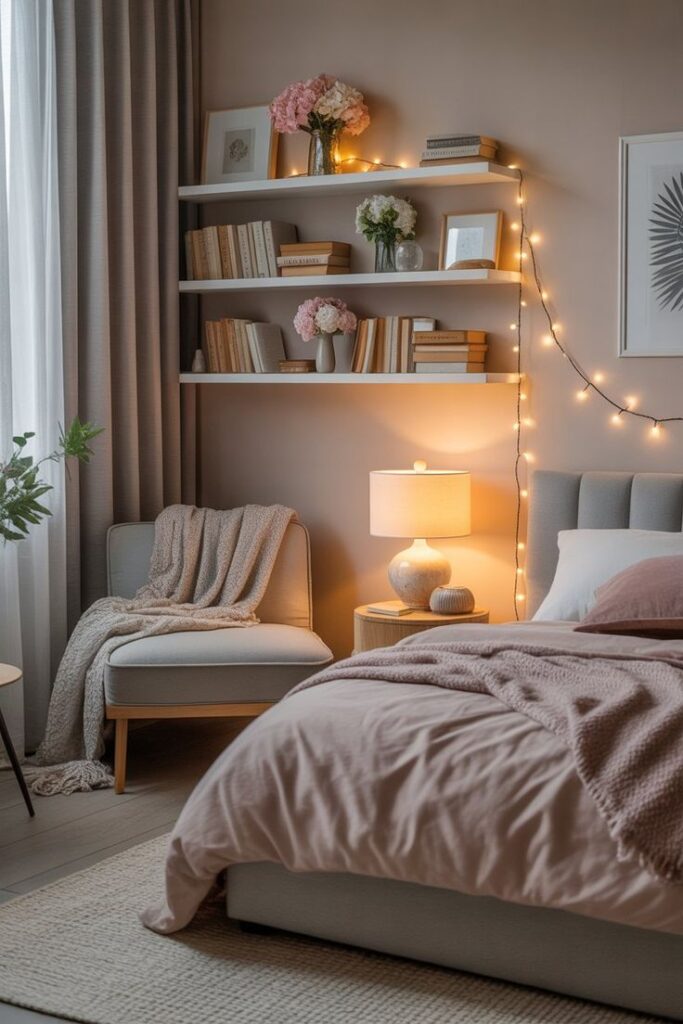
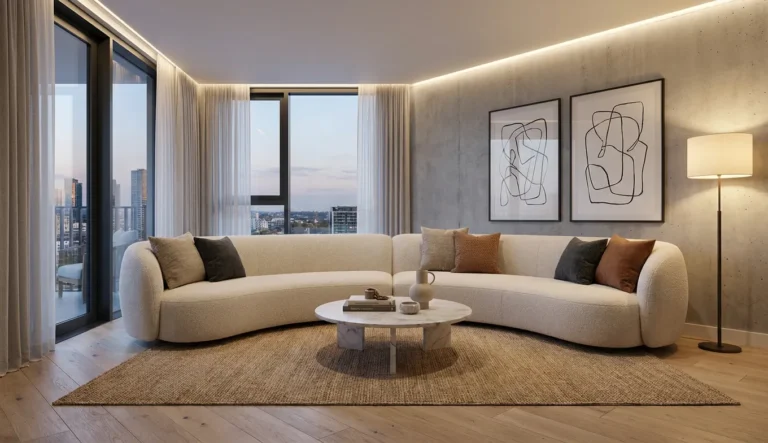
One overhead light can make a small room feel flat and harsh. You want layers of light so the room feels warm, deep, and “done.” I always add at least two light sources, even in tiny bedrooms.
Wall sconces or plug-in sconces save space because they free up nightstand surface area. I also like floor lamps with slim bases because they tuck into corners like they belong there.
My Small-Room Lighting Checklist
Use:
- Warm bulbs (around 2700K) for cozy light
- One floor lamp for ambient glow
- One table lamp or sconce for task lighting
- Optional LED strip behind a headboard or shelf for soft depth
Do you really need the ceiling light to blast your retinas every night? I didn’t think so.
10) Use Oversized Art (Tiny Art Makes Walls Feel Busy)
Small rooms don’t need lots of little frames scattered everywhere. Tiny art can create visual noise, which makes the room feel tighter. One large piece of art can actually make the space feel bigger because it simplifies the wall.
I hung one oversized print above my bed in a small bedroom, and the whole room immediately looked more grown-up. You can still do a gallery wall, but you need a clear plan and consistent spacing.
Art choices that open up a small room:
- One large statement piece over the bed or sofa
- A tight, cohesive gallery wall with matching frames
- Light-toned photography or landscapes for airy depth
- A mirror + art combo for extra brightness and dimension
Ever stare at a wall full of tiny frames and feel stressed for no reason? That’s the clutter effect again.
Conclusion: Make Your Small Room Feel Bigger (Without Magic or New Square Footage)
You can make a small room feel bigger when you use light, tonal colors, strategic mirrors, high-and-wide curtains, and multi-functional furniture. You can also win back space with vertical storage, hidden clutter control, leggy furniture, and layered lighting. And when you finish it off with oversized art, the whole room finally feels intentional instead of improvised.
Pick two ideas from this list and try them this weekend. Your room will feel bigger, and you’ll stop side-eyeing that tight corner like it personally offended you. And if your tiny space suddenly looks amazing, you can casually act like you planned it all along 🙂