Your small bedroom shouldn’t feel like a closet with a mattress and a dream. You deserve a space that looks good, feels calm, and doesn’t force you to shuffle sideways like you play real-life Tetris.
I know this fight personally. I once lived in a bedroom where I could touch the bed, the dresser, and my life choices all at the same time. So yeah—I learned a few small bedroom decor tricks the hard way, and I’ll gladly save you the stress.
Ready to decorate a small bedroom without feeling cramped and still keep it cute? Let’s do it.
1) Choose a Light, “Air-Friendly” Color Palette (But Don’t Fear Contrast)
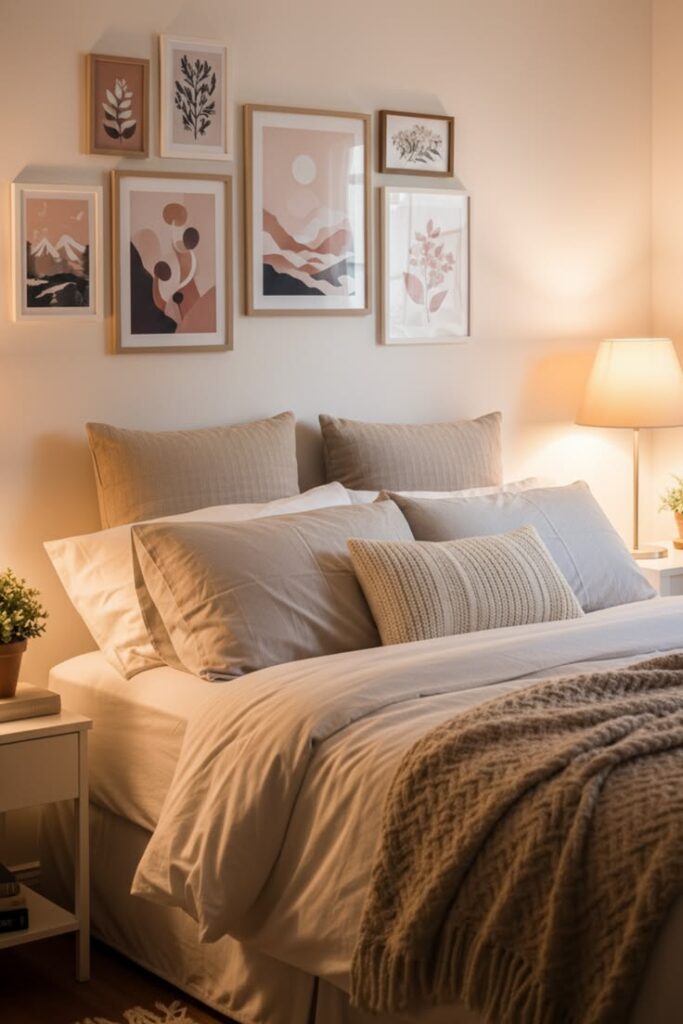
Light colors make a room feel bigger because they bounce light around instead of swallowing it. You don’t need to paint everything hospital white, though. You just need a palette that keeps the walls visually “open.”
Ever notice how a dark room feels smaller even when it measures the same size? Your eyes crave brightness.
Go-to color combos that work in small bedrooms
Try one of these:
- Warm white walls + soft beige textiles for cozy minimalism
- Light gray walls + crisp white trim for clean contrast
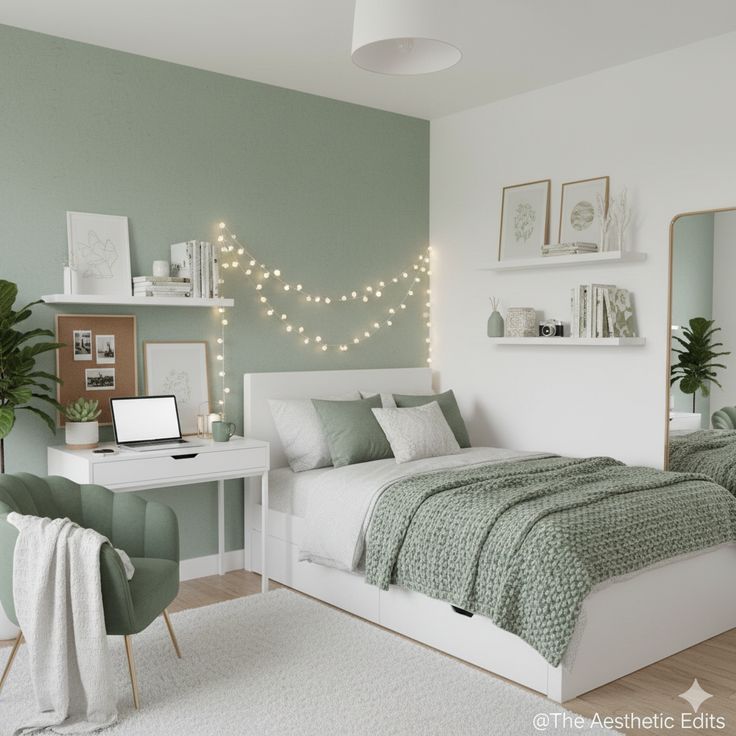
- Pale sage + natural wood for a calm, lived-in vibe
IMO, the magic comes from choosing one main light shade and repeating it in a few places (walls, bedding, curtains). Your brain loves repetition because it reads as “order,” not “clutter.”
2) Pick the Right Bed Size (Yes, This Matters More Than Cute Throw Pillows)
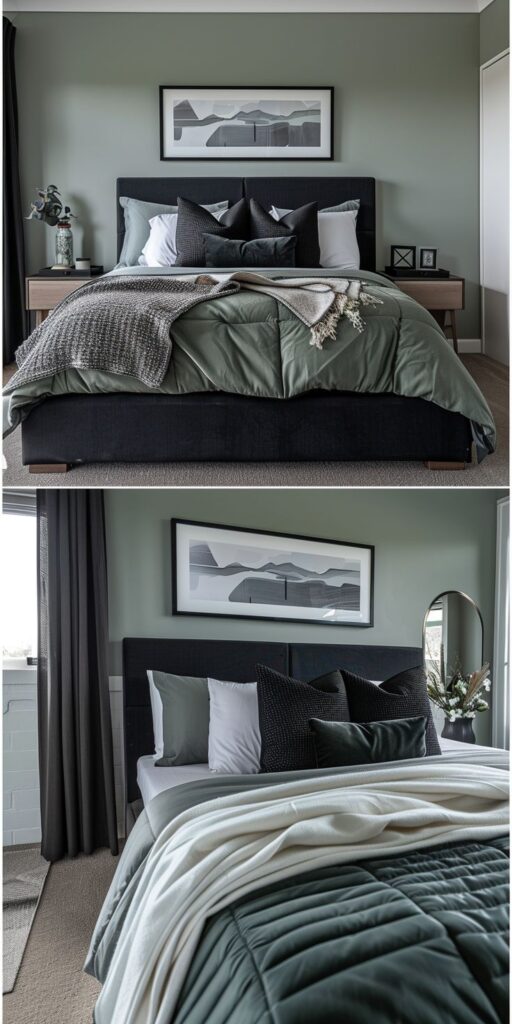
A bed that overwhelms the room instantly creates that cramped feeling. You can love your king bed, but your small bedroom might not love it back.
Ask yourself a slightly painful question: do you want space to walk, or do you want a mattress the size of a small country?
A realistic bed-sizing checklist
- Leave at least 24 inches of walking space on one side if you can
- Choose a full or queen only if you can still open drawers/doors easily
- Consider a daybed if you use your bedroom as a lounge/office combo
I swapped a bulky frame for a simple platform bed once, and my room felt bigger the same day. I didn’t gain square footage—I just stopped donating it to furniture.
3) Use Vertical Space Like You Mean It
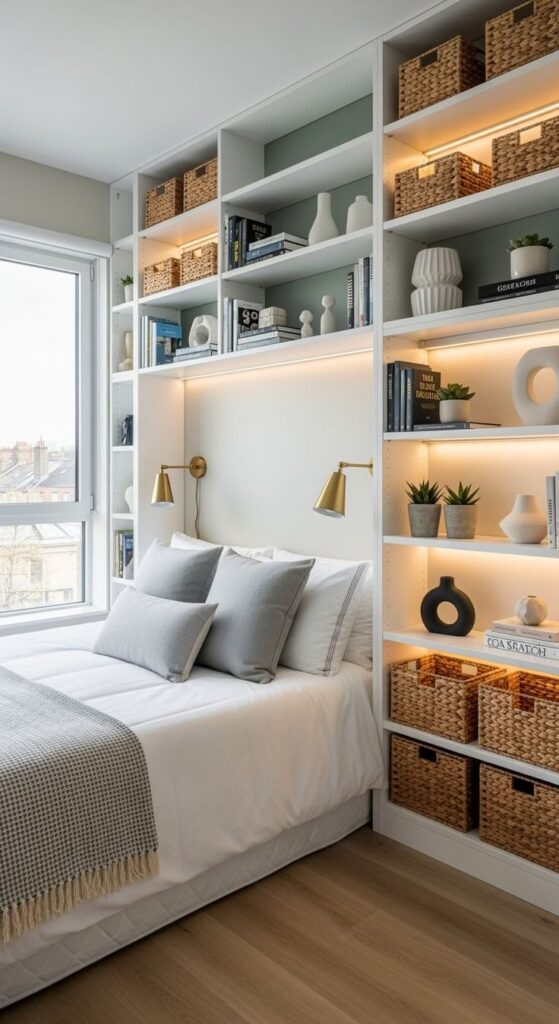
Small bedroom ideas live and die by vertical storage. Walls give you “free” space, and your floor needs all the mercy it can get.
Do you really need another thing sitting on the floor, judging you? Put it on the wall.
Easy vertical wins
- Install floating shelves above a dresser or desk
- Add wall hooks for bags, jackets, and “I’ll wear it again” clothes
- Try a tall, narrow bookcase instead of a short wide one
You also create a taller visual line when you decorate upward. Your eyes travel up, and the room feels less boxed in.
4) Swap Bulky Nightstands for Floating Options (Your Toes Will Thank You)
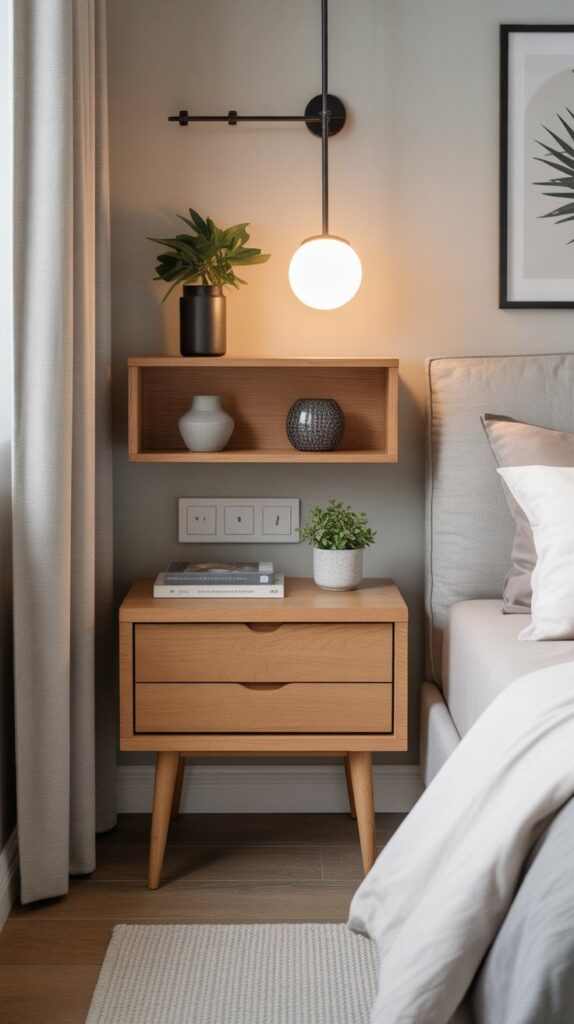
Classic nightstands look cute, but they eat space fast. Floating nightstands or slim stools keep things functional without turning your bedside into a traffic jam.
Ever stubbed your toe in the dark and considered living outdoors instead? Same.
Nightstand alternatives that save space
- Wall-mounted shelf (simple and cheap)
- Floating drawer (hides clutter like a champ)
- Narrow C-table that slides partly under the bed
I love a floating drawer because it hides all the random stuff—hand cream, lip balm, receipts from 2019—that never looks “decorative.”
5) Bring in Mirrors (But Place Them Like a Strategist)
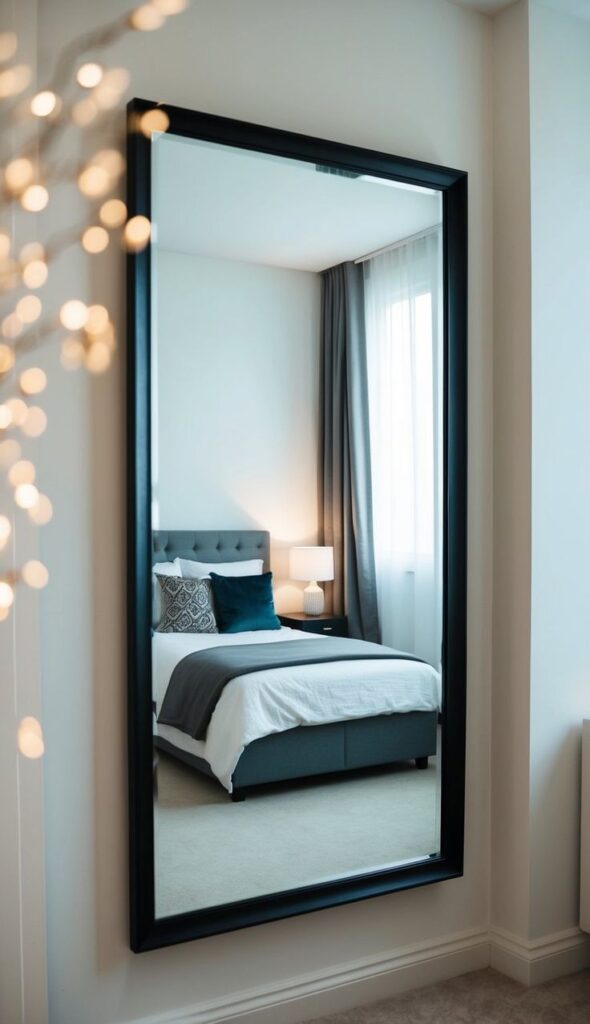
Mirrors work because they bounce light and create depth. They help you make a small bedroom look bigger without moving a single wall.
You don’t need a mirror wall moment unless you want your bedroom to feel like a dance studio. You just need one or two mirrors in smart spots.
Mirror placement that actually helps
- Place a mirror across from a window to reflect daylight
- Lean a full-length mirror in a corner to add height
- Use a mirrored closet door if you already need a door there
FYI, mirrors also help you spot outfits that look great in your head but not in real life. That counts as a public service.
6) Choose Multi-Functional Furniture (Because Your Room Can’t Afford Freeloaders)
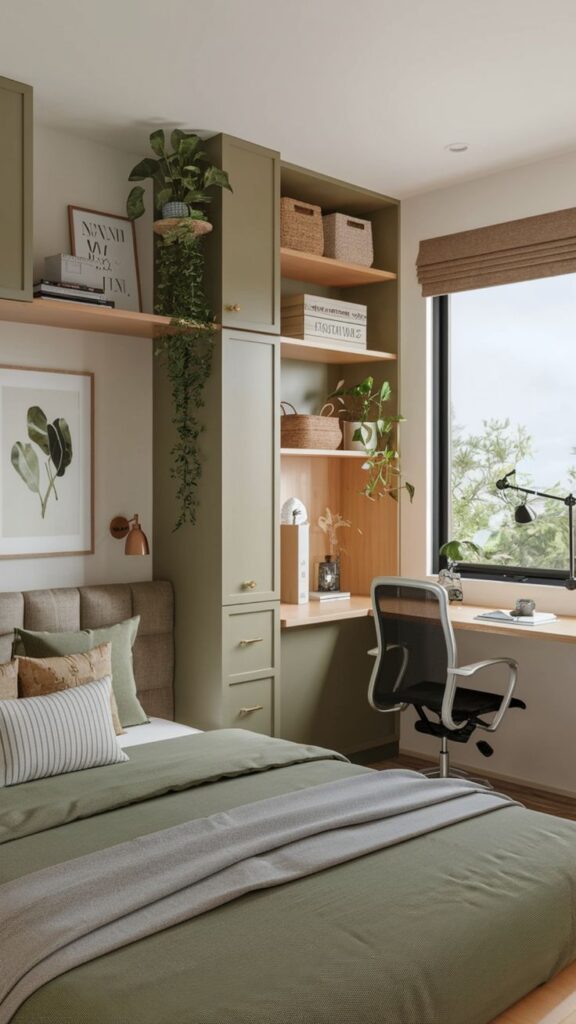
In a small bedroom, every piece needs a job. Sometimes it needs two jobs. Occasionally it needs three jobs and a part-time internship.
Multi-functional furniture reduces clutter because you stop adding extra pieces to solve problems.
My favorite space-saving furniture picks
- Storage bed with drawers underneath
- Ottoman with hidden storage at the foot of the bed
- Desk that doubles as a vanity with a mirror tray
- Fold-down wall desk if you work from home
A storage bed beats a separate dresser when you lack wall space. A dresser wins when you want a surface for decor. Pick the one that solves your biggest daily annoyance.
7) Fix Your Lighting (Overhead Lights Don’t Deserve All the Power)
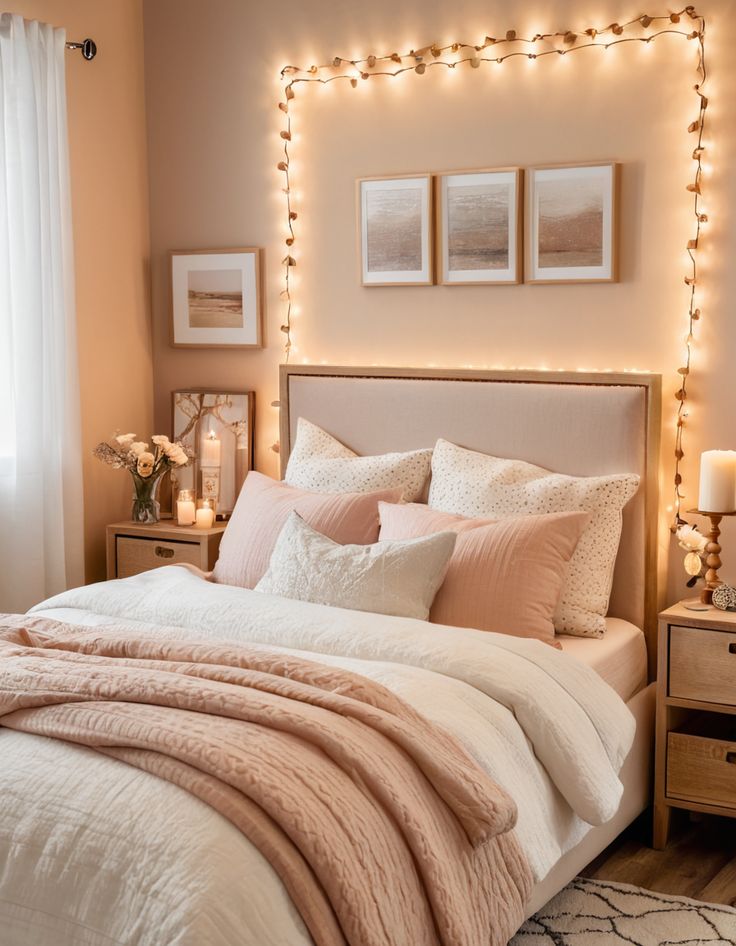
One overhead light makes a small bedroom feel flat, harsh, and vaguely like a waiting room. Layered lighting adds depth, warmth, and that “I have my life together” glow.
Do you want your room to feel cozy at night or like you need to sign a form in triplicate?
A simple 3-layer lighting plan
- Ambient: ceiling light or flush mount
- Task: bedside lamp or wall sconce for reading
- Accent: LED strip behind a headboard or a small table lamp
Wall sconces save space because you free up nightstand surface area. I installed plug-in sconces once, and I felt like I unlocked a cheat code. 🙂
8) Keep Window Treatments Light (And Hang Them Higher Than You Think)
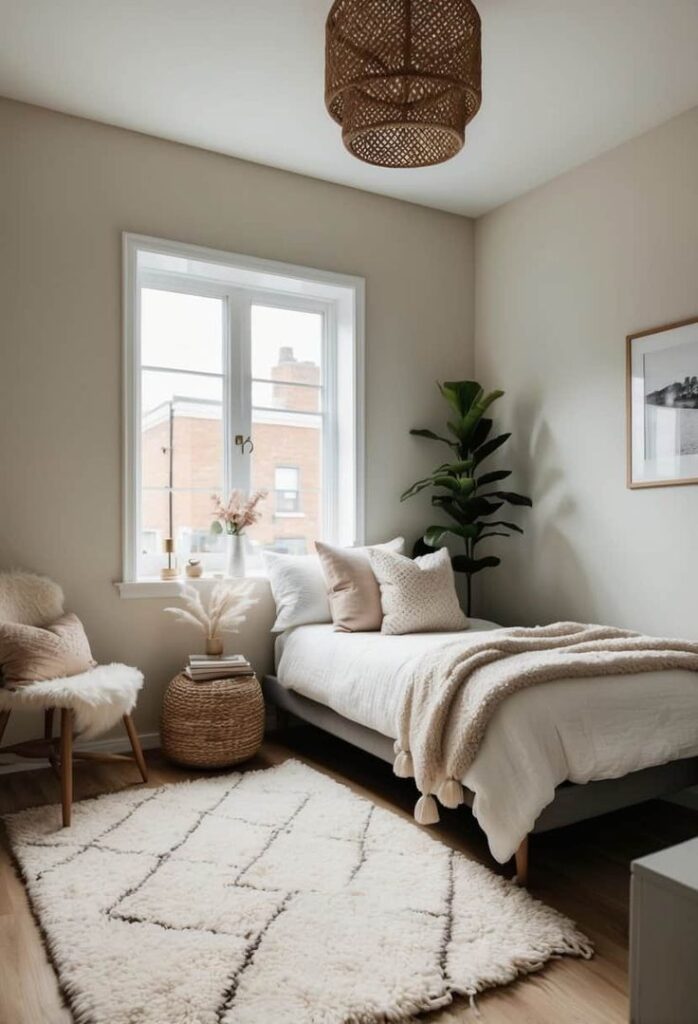
Heavy curtains can drag a small room down. You want windows to look bigger, not like they wear ankle weights.
Hang curtains closer to the ceiling, and your room looks taller. That trick feels almost unfair, which means it works.
Curtain rules that make a small bedroom feel bigger
- Hang the rod 4–8 inches above the window frame (or near the ceiling)
- Choose light-filtering curtains or simple sheers
- Let curtains kiss the floor for a longer line
If you need blackout curtains, pair them with a lighter outer layer. You keep the sleep benefits without turning the room into a cave.
9) Declutter Like You’re Designing a Hotel Room (Not a Storage Unit)
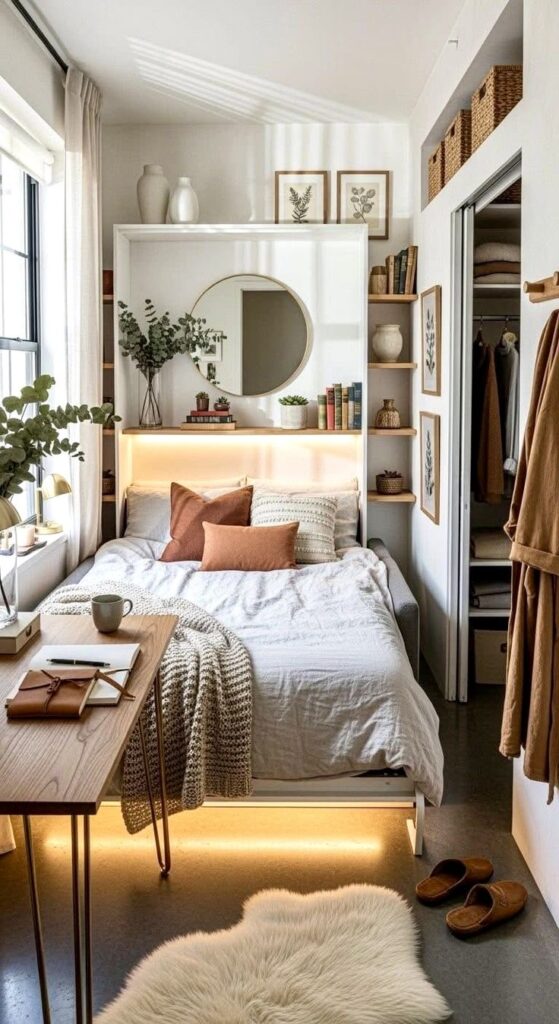
Clutter makes any room feel smaller because it adds visual noise. You can own nice decor and still overwhelm the space if you display everything at once.
Want a simple rule? Treat surfaces like they charge rent.
Quick decluttering habits that actually stick
- Keep one “drop zone” tray for daily items (keys, earbuds, etc.)
- Store extras in labeled bins under the bed or on shelves
- Follow the one-in, one-out rule for clothing
I rotate decor seasonally because I get bored fast. That habit keeps my small bedroom decor fresh without adding more stuff.
10) Style With Intention: Fewer, Bigger Decor Pieces Beat Tiny Clutter
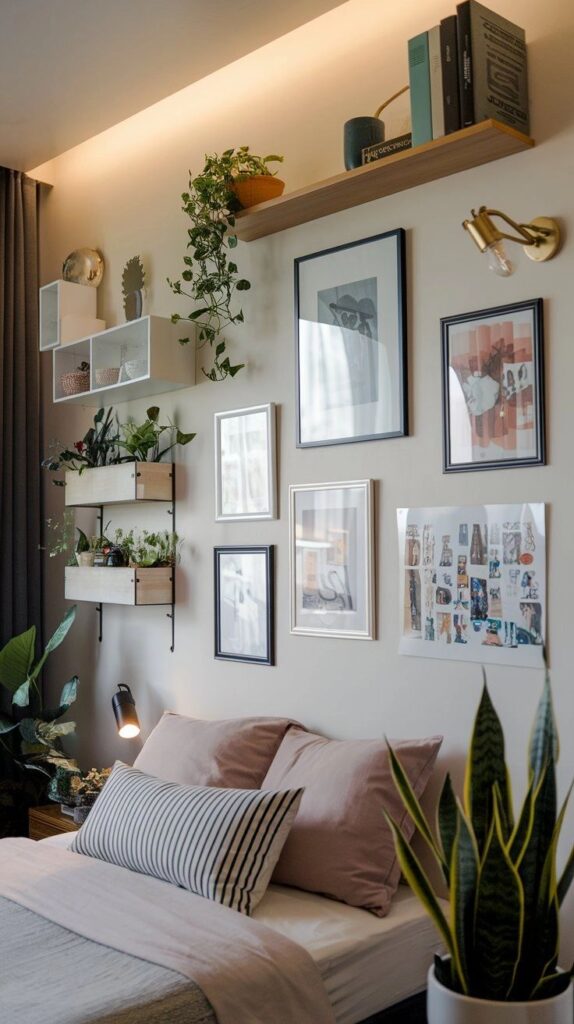
Small bedrooms can’t handle twenty tiny decorations screaming for attention. Larger, simpler pieces create calm because they read as intentional.
Ever walked into a room and felt instantly relaxed? You probably saw clear surfaces, a consistent palette, and decor that didn’t fight for dominance.
Decor choices that look good without shrinking the room
- Choose one large art piece over the bed instead of a gallery wall
- Add one statement plant (real or fake—no judgment)
- Use two or three pillows max and a textured throw
- Pick matching hangers for a calmer closet look
I love big art in a small room because it creates a focal point. Your eyes land somewhere on purpose, and the room stops feeling chaotic.
Final Thoughts: Small Bedroom, Big Comfort
You can absolutely decorate a small bedroom without feeling cramped when you focus on the right moves: light colors, smart storage, vertical space, layered lighting, and intentional decor. You don’t need more square footage—you need fewer space-wasting choices and a layout that lets you breathe.
Try just two changes this week: swap a bulky item for a slimmer one, and clear one surface completely. Then step back and ask yourself, “Okay… why does this already feel better?” Because you designed it that way—no renovation required.