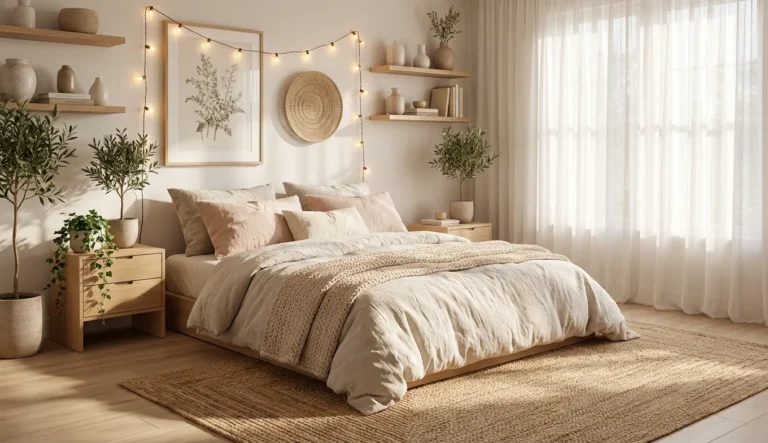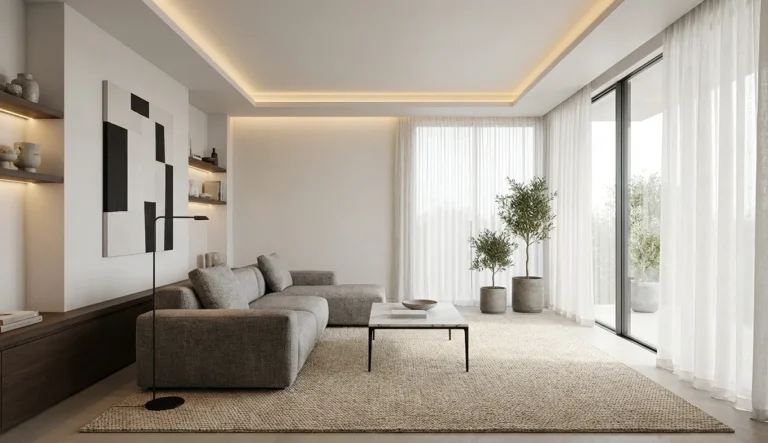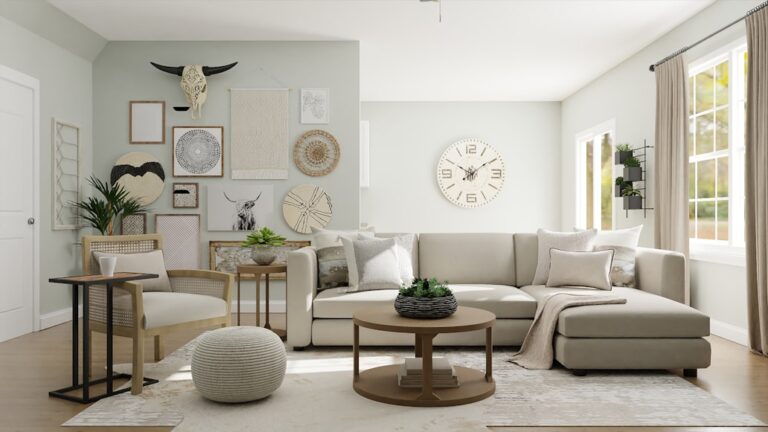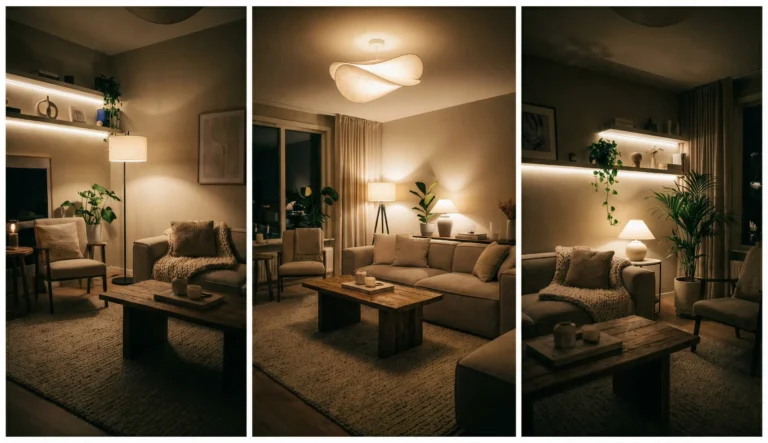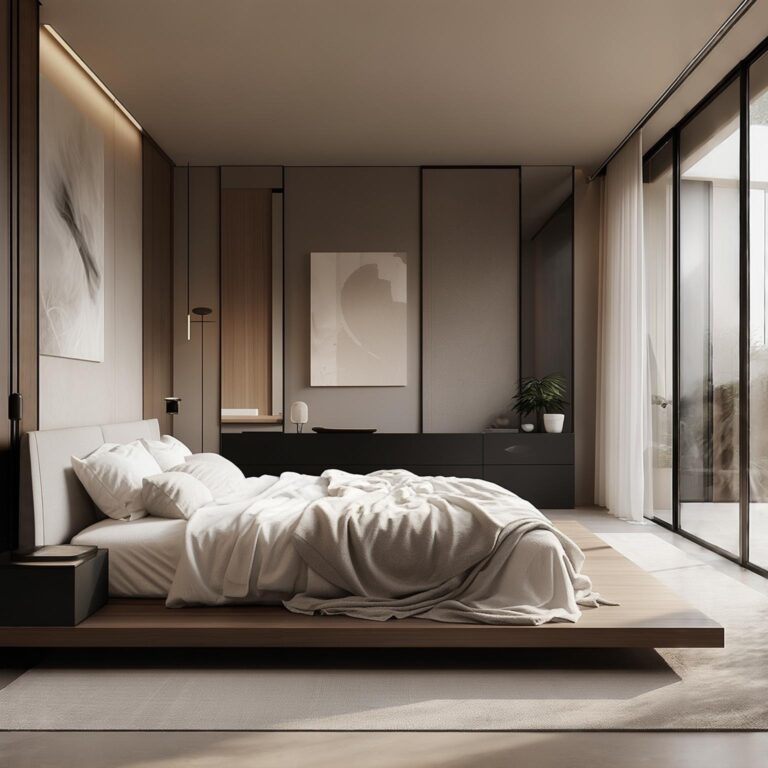
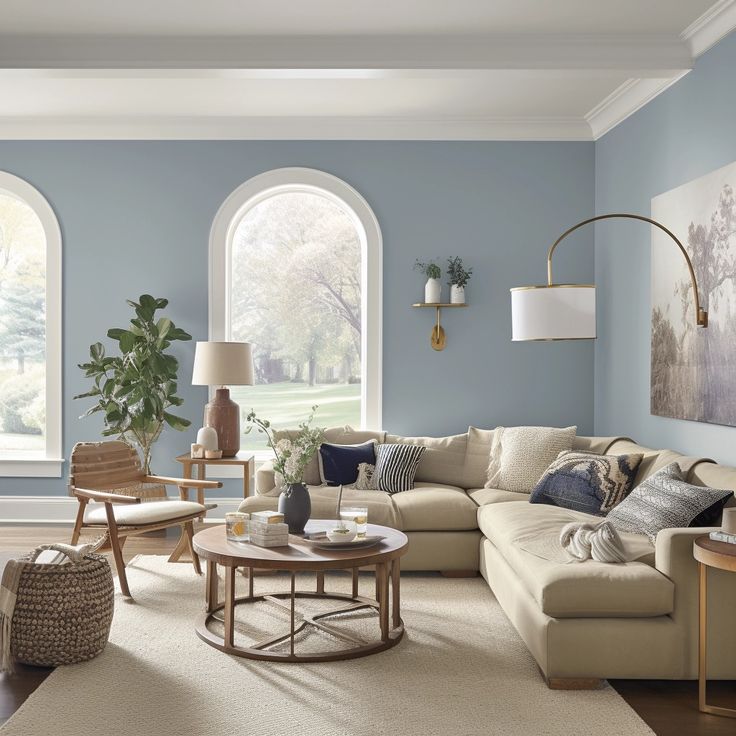
10 Whole-House Neutral Paint Colors That Aren’t Boring
You want a whole-house neutral paint color, but you also want a home that doesn’t feel like a blank spreadsheet, right? I get it. I’ve painted enough rooms to know that “safe” can still look sad if you pick the wrong undertone (or if you paint everything the color of unbuttered toast).
So let’s talk about whole-house neutral paint colors that actually have personality—the kind that flow from room to room without making your space feel flat. I’ll share the shades I trust, what they do in real life lighting, and how I keep them from turning “builder beige” in approximately five seconds.
How I Pick a Whole-House Neutral (Without Regretting It at 2 a.m.)
Whole-house neutrals need to play nice with everything: floors, cabinets, countertops, trim, and whatever random furniture you refuse to replace (same). You also need a color that behaves in different light, because morning sun and gloomy afternoons love to mess with your confidence.
When I choose the best neutral paint colors for a whole house, I look for balance. I want a shade that reads neutral first, but carries a little depth so the walls don’t look dead. Ever painted a “perfect greige” that suddenly looks pink at night—why do paint colors act like that?
My quick “will this work everywhere?” checklist
- Undertone control: I pick neutrals with undertones I can predict (warm, cool, or balanced).
- Mid-range LRV: I like LRV roughly 45–70 for whole-house flow, depending on how bright the home feels.
- Trim strategy: I decide early if I want crisp white trim or a softer white that blends.
- Consistency test: I check the color in north and south light because my house loves drama.
FYI, I always sample on at least two walls. I trust paint chips about as much as I trust a “quick” DIY project 🙂
1) Sherwin-Williams Agreeable Gray (SW 7029)
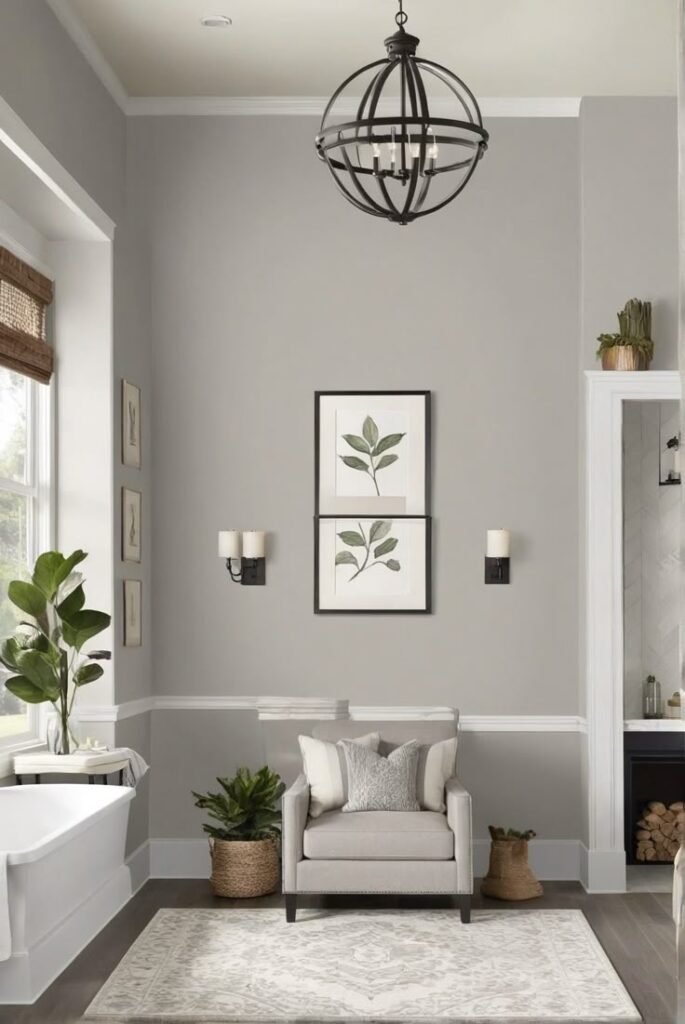
Agreeable Gray ranks as a whole-house classic for a reason. It gives you a greige that doesn’t lean hard into beige or cement. I’ve used it in open layouts where the living room flows into the kitchen, and it keeps the peace.
Do you want a neutral that won’t pick a fight with your floors? Agreeable Gray usually cooperates.
Why it works
- Undertone: warm-leaning greige (soft, not yellow)
- LRV: about 60
- Best for: open floor plans, hallways, “everything connects to everything” homes
- Pairs well with: warm whites, black accents, natural wood
2) Benjamin Moore Edgecomb Gray (HC-173)
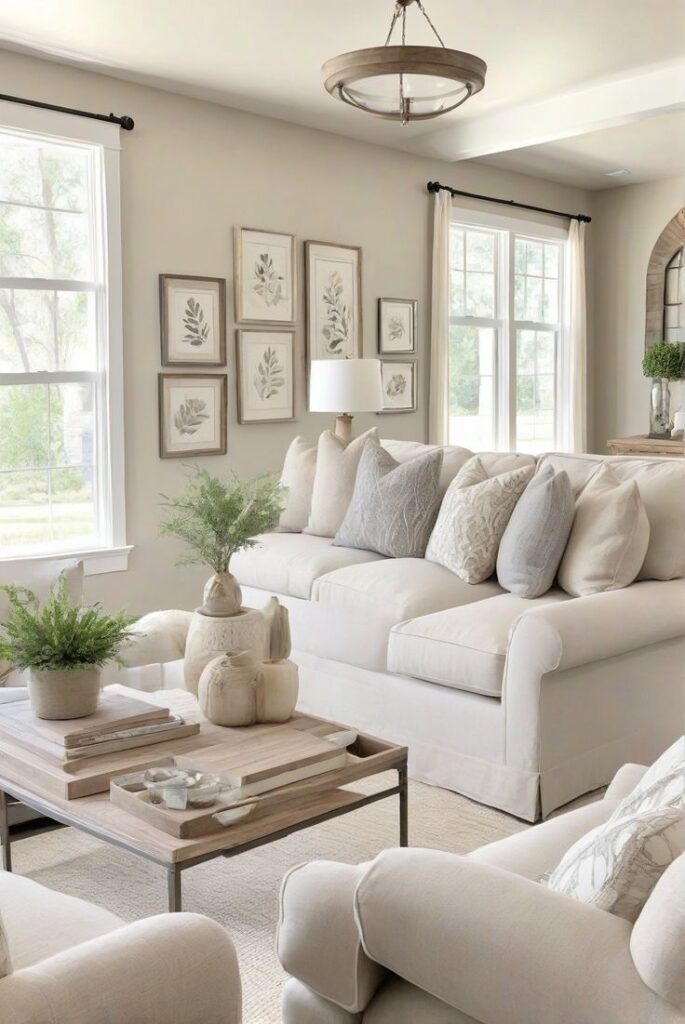
Edgecomb Gray brings cozy without going full-on beige cave. It reads warm, creamy, and calm, especially with white trim and warm lighting. I like it when I want softness but still need a modern feel.
Have you ever stood in a room that instantly feels more relaxed? Edgecomb Gray can pull that off.
My take
- Undertone: warm, slightly creamy greige
- LRV: about 63
- Best for: family rooms, kitchens with warm cabinets, bedrooms
- Design tip: add contrast with matte black hardware or deep navy decor
3) Sherwin-Williams Repose Gray (SW 7015)
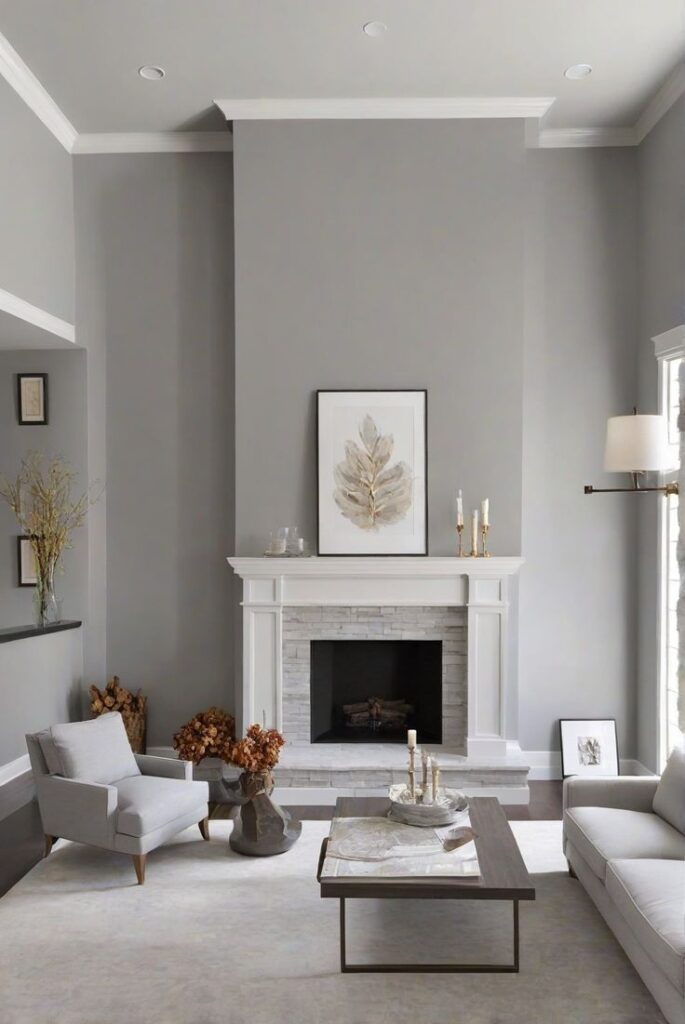
Repose Gray gives you a cleaner, slightly cooler greige that still feels livable. I like it when a home has cooler daylight or when the flooring runs neutral-to-cool. It also looks sharp with crisp trim if you want that “freshly styled” vibe.
Do you want neutral walls that look pulled together even when life looks… not? Repose Gray helps.
What to know
- Undertone: neutral-cool (can hint at violet in some light)
- LRV: about 58
- Best for: modern homes, cooler palettes, spaces with bright daylight
- Pairs well with: bright whites, charcoal, cool woods
4) Benjamin Moore Classic Gray (OC-23)
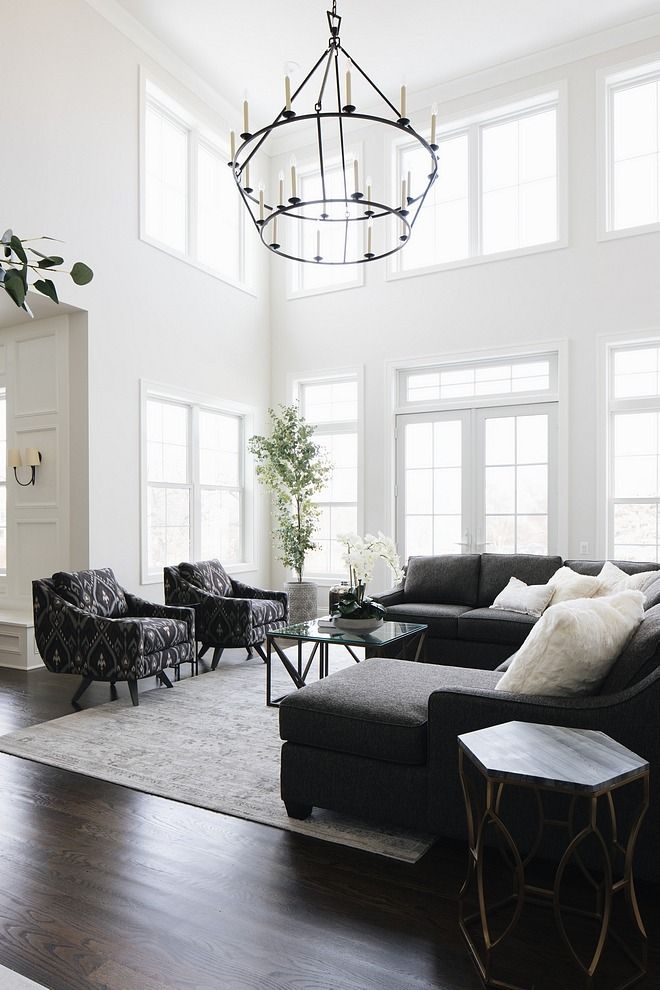
Classic Gray sits in that sweet spot where walls look bright but not stark. It reads like a warm, whispery off-white in many rooms. I’ve used it when I want “white walls” energy without the clinical glare.
Ever wanted white walls but feared they’d look like a rental? Classic Gray gives you a softer landing.
Why people love it
- Undertone: warm with a gentle gray softness
- LRV: about 74
- Best for: low-light rooms, whole-house light neutrals, small spaces
- Trim idea: use a true white on trim for a clean edge
5) Sherwin-Williams Accessible Beige (SW 7036)
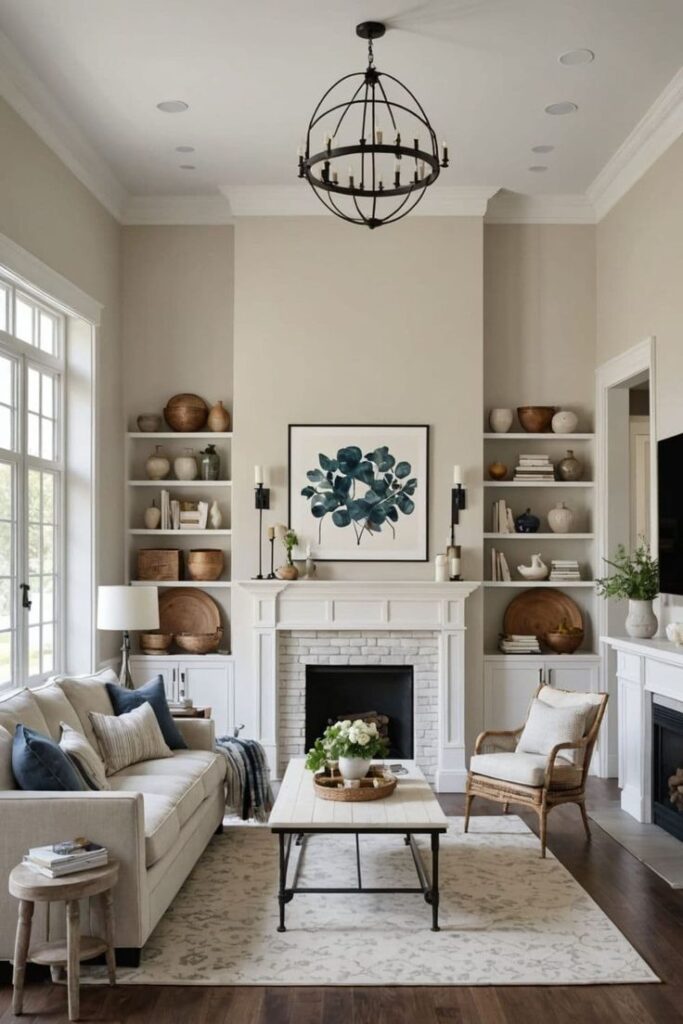
Accessible Beige brings warmth without screaming “2004 Tuscan kitchen.” It looks grounded and welcoming, especially with medium wood floors. I reach for it when clients want beige but don’t want the yellow-ish baggage.
Do you like warm neutrals but hate the word “yellow”? Same.
What it does best
- Undertone: warm greige-beige blend
- LRV: about 58
- Best for: traditional homes, warm woods, cozy vibes
- Pairs well with: creamy whites, olive greens, warm metals
6) Benjamin Moore Pale Oak (OC-20)
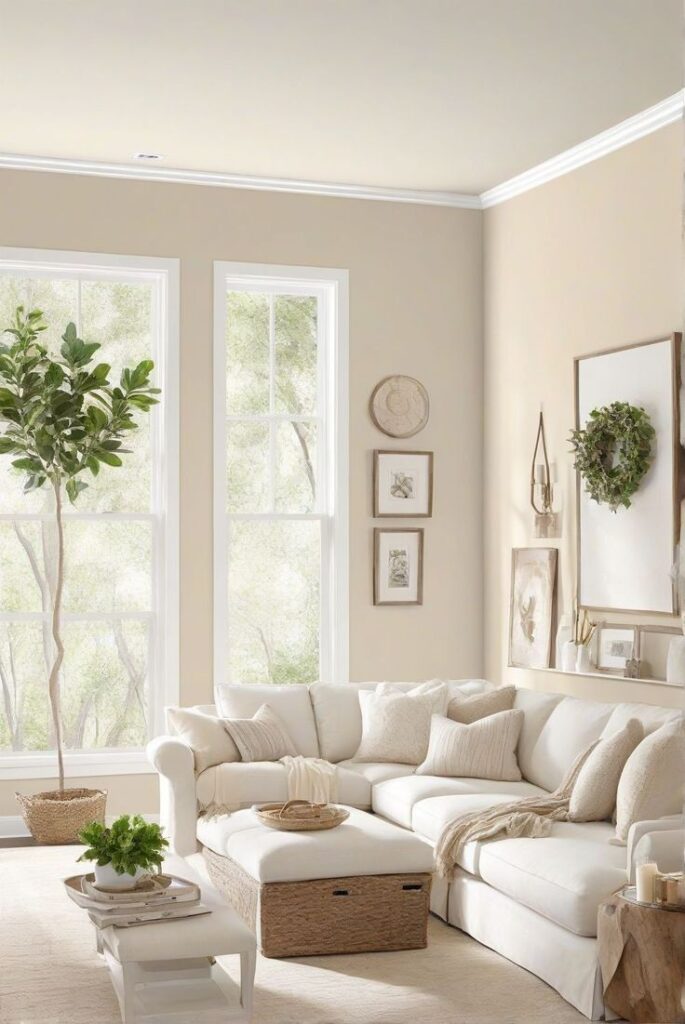
Pale Oak gives you a light greige that feels airy but still warm. It can shift subtly depending on the light, so I always sample it, but it rarely feels boring. IMO, it nails that “soft and expensive” look without trying too hard.
Ever walked into a home and thought, “Oh, this feels calm”? Pale Oak can do that.
Quick facts
- Undertone: warm greige with a gentle pink-beige whisper (very subtle)
- LRV: about 69
- Best for: whole-house continuity, serene bedrooms, light-filled living areas
- Style match: linen textures, oak, brass, warm whites
7) Sherwin-Williams Alabaster (SW 7008)
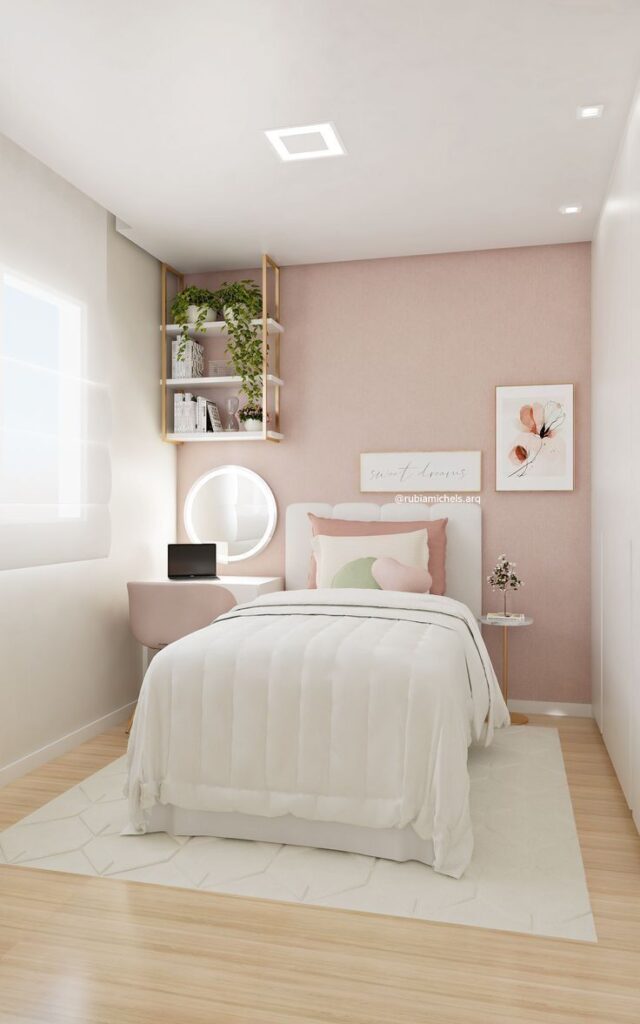
Alabaster delivers a warm white that feels soft instead of icy. I like it for whole-house use when you want light walls but still want warmth. It also makes darker decor pop without looking harsh.
Do you want white walls that still feel like a home and not a gallery? Alabaster has your back.
Why it stays popular
- Undertone: warm, creamy white
- LRV: about 82
- Best for: open plans, darker homes, trim + walls in the same color
- Pro move: pair with slightly brighter trim if you want subtle definition
8) Benjamin Moore White Dove (OC-17)
White Dove gives you a flexible white that works on walls, trim, cabinets—basically everything. It reads warm, but it keeps enough neutrality to avoid looking dingy. I’ve used it in kitchens where I needed walls that wouldn’t fight marble, wood, or stainless steel.
Do you want a “whole-house white” that doesn’t feel like a polar expedition? White Dove fits.
Best uses
- Undertone: warm-neutral white
- LRV: about 85
- Best for: cohesive interiors, trim-heavy homes, bright + warm balance
- Pairs well with: natural stone, black accents, warm greiges
9) Farrow & Ball Ammonite (No. 274)
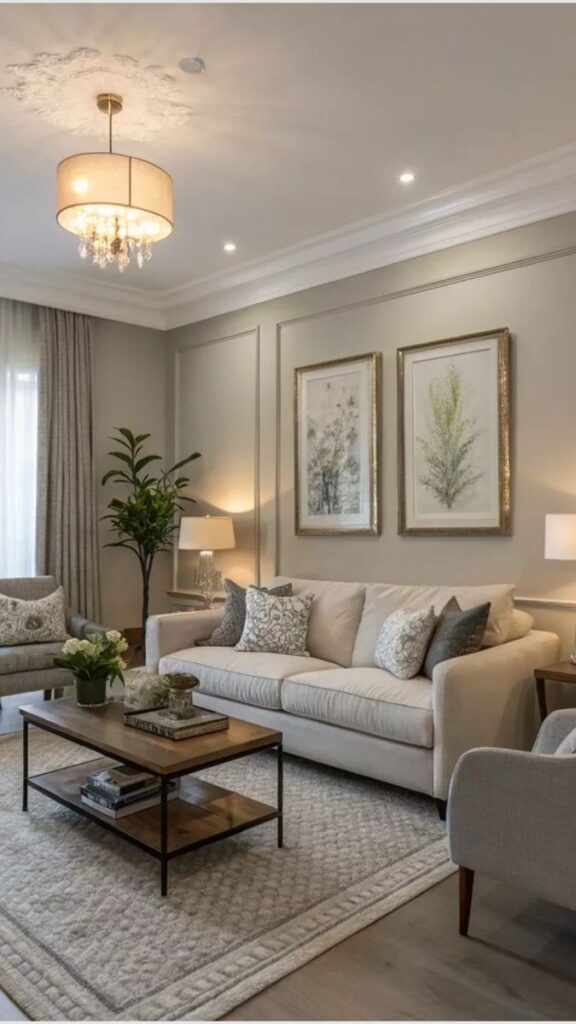
Ammonite gives you a sophisticated, soft gray that doesn’t feel cold and corporate. It reads calm and modern, especially in rooms with good natural light. I like it for homes that lean contemporary but still want warmth through texture and wood.
Do you want gray walls without that “office waiting room” vibe? Ammonite helps you dodge that fate.
What to expect
- Undertone: balanced gray with a gentle warmth
- Best for: modern whole-house schemes, minimal homes, clean architecture
- Style tip: layer in warm woods and woven textures so it feels inviting
10) Behr Silver Drop (790C-2)
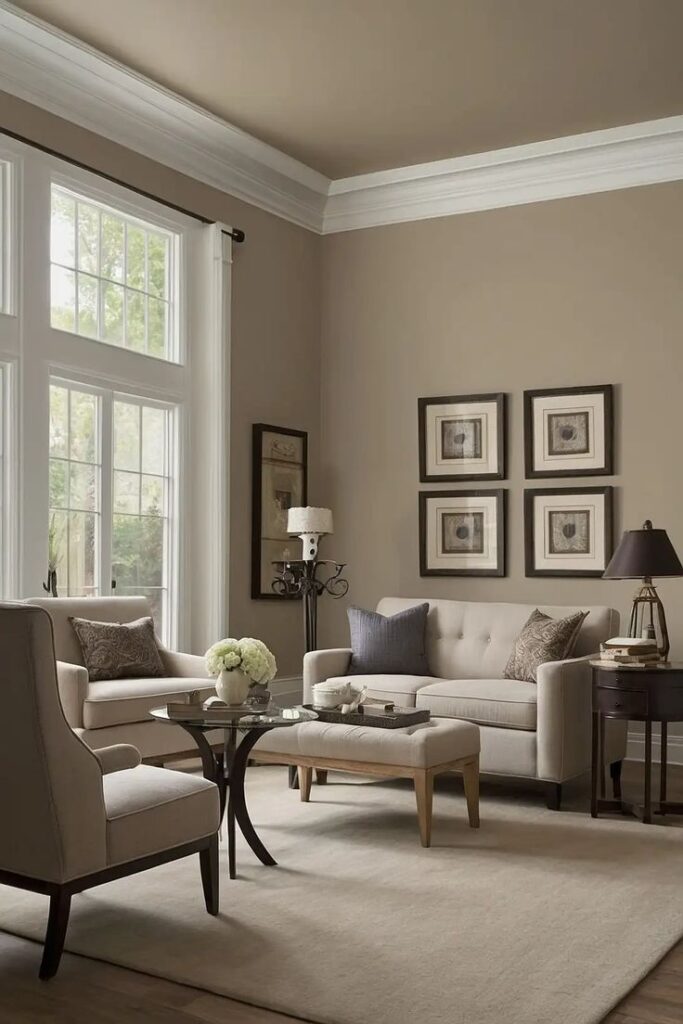
Silver Drop works as a light neutral that leans cool but stays soft. I’ve seen it look incredible with white trim and cooler flooring, especially in homes with lots of daylight. It gives you that crisp, clean look without going full sterile—unless your lighting goes super blue, in which case… yeah, sample first :/
Do you like a bright, fresh neutral that still reads “home”? Silver Drop can do that when the lighting cooperates.
Key details
- Undertone: light gray with a cool lean
- Best for: airy spaces, coastal vibes, modern palettes
- Pairs well with: bright white trim, blues, silvery metals, pale woods
How to Keep Whole-House Neutral Paint Colors From Looking Flat
Neutral paint needs backup. If you paint your whole house greige and stop there, the place can look like it waits for furniture to arrive… forever. I’ve made that mistake, and I don’t recommend it.
So how do you keep neutral walls interesting without turning your home into a color wheel explosion? You add contrast, texture, and a little intention.
My go-to “not boring” recipe
- Use two whites: one for trim and one for walls (or one white plus a greige)
- Add contrast points: black hardware, dark interior doors, deep rugs
- Mix textures: linen, boucle, leather, wood grain, and matte ceramics
- Repeat a few tones: I pick 3–5 colors for the whole home (including wood + metals)
Ever notice how the nicest neutral homes still feel layered? They never rely on paint alone.
Conclusion: Pick a Neutral That Actually Has a Point
You can absolutely choose whole-house neutral paint colors that feel calm and cohesive without putting your personality into witness protection. Agreeable Gray and Edgecomb Gray give you easy greige flow. White Dove and Alabaster deliver warm whites that still feel alive. Pale Oak and Classic Gray keep things light without turning bland.
Now comes the fun part: grab samples, test them in your real lighting, and trust your eyes more than the internet (even mine). Which shade fits your home’s vibe—cozy warm, clean cool, or that perfect “I didn’t overthink this” balance?