12 Home Color Schemes That Always Look Expensive (Easy 3-Color Palettes
You know that “expensive house” feeling you get when you walk into a space and everything just clicks? I chased that vibe for years with random paint samples and pure optimism. Turns out, the secret rarely involves fancy furniture or a designer budget—it usually comes down to smart home color schemes that look intentional.
And yes, you can absolutely get that luxe look with easy 3-color palettes. Ever noticed how the priciest-looking rooms never try to use every color in the rainbow like they’re auditioning for a kids’ TV show?
Let’s fix that.
How to Make 3-Color Palettes Look High-End (Without Losing Your Mind)
A 3-color palette gives you structure, and structure screams “I hired help” (even if you absolutely did not). You just need the colors to play nice together and show up with a plan.
Use the 60-30-10 rule (because chaos ages you)
Pick three colors and assign them jobs:
- 60% = main wall color or biggest visual area
- 30% = secondary color (upholstery, cabinets, a big rug)
- 10% = accent color (pillows, art, lamps, one dramatic chair)
Why does this look expensive? Because your eye reads it as balanced and designed. Would you rather your room look curated or “I panic-bought throw pillows at 11 PM”?
Keep undertones consistent
Warm colors love warm friends. Cool colors thrive with cool friends. When undertones clash, your room looks “off” in a way you can’t quite explain, which feels rude, honestly.
Pick one “quiet” neutral and one “statement” color
Most expensive-looking color palettes use:
- A calm neutral
- A deep, moody anchor
- A polished accent (metal, wood tone, or a muted color)
FYI, this works even in tiny rooms. You don’t need a mansion. You need a plan. 🙂
1) Cream + Charcoal + Brass (Classic Rich Energy)
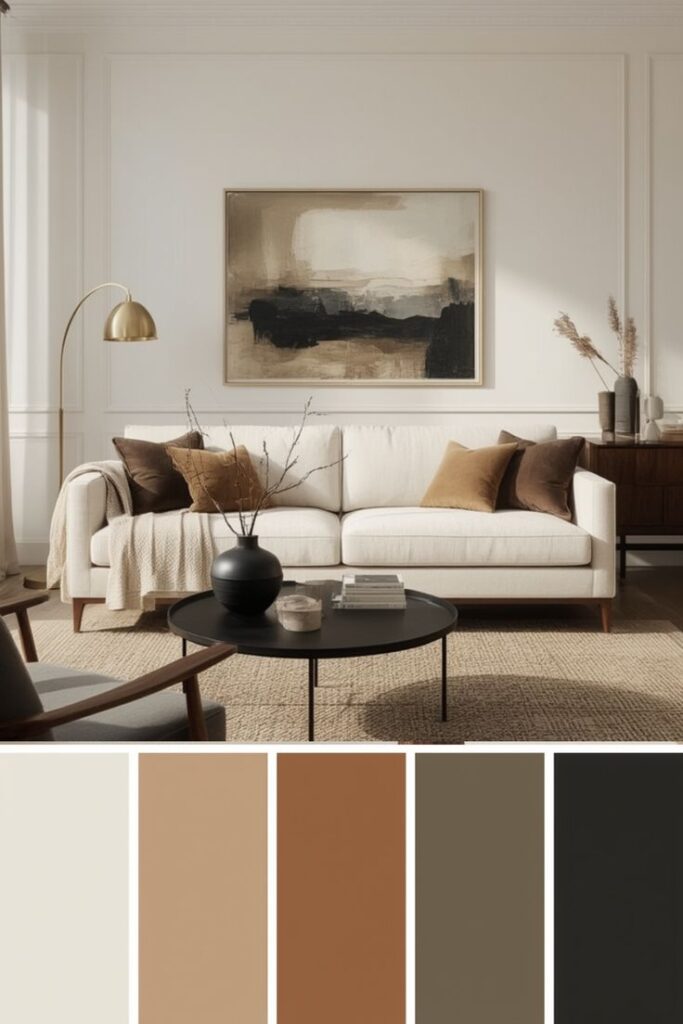
This combo delivers instant “tailored blazer” vibes. Cream keeps things airy, charcoal adds weight, and brass brings that jewelry-level finish.
- Cream: warm off-white walls
- Charcoal: built-ins, a sofa, or interior doors
- Brass: lighting, hardware, mirror frames
Ever wonder why this reads so expensive? Charcoal sharpens the cream, and brass adds glow without yelling for attention. I love this palette in entryways because it makes even a sad little console table look intentional.
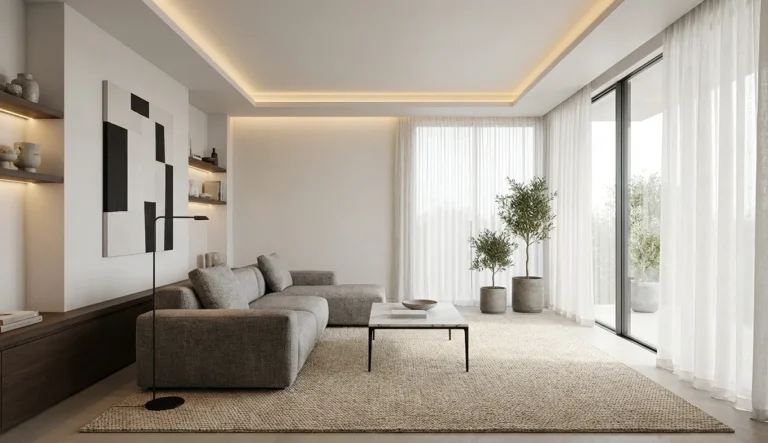
2) Greige + Crisp White + Matte Black (Clean and Architectural)
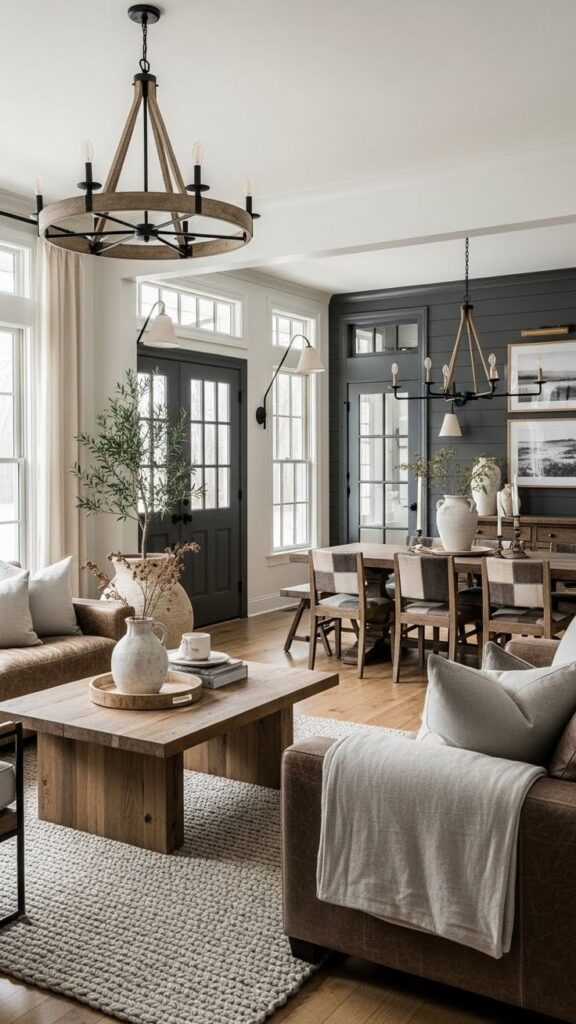
Greige gives you softness without going full beige cave. White keeps it fresh. Matte black adds contrast that looks designer without trying too hard (unlike that one friend who name-drops hotels).
- Greige: walls or large rugs
- Crisp white: trim and ceiling
- Matte black: faucets, frames, curtain rods
IMO, this palette works best when you keep black details consistent. If you mix black + oil-rubbed bronze + chrome, your room starts to look like a hardware store display.
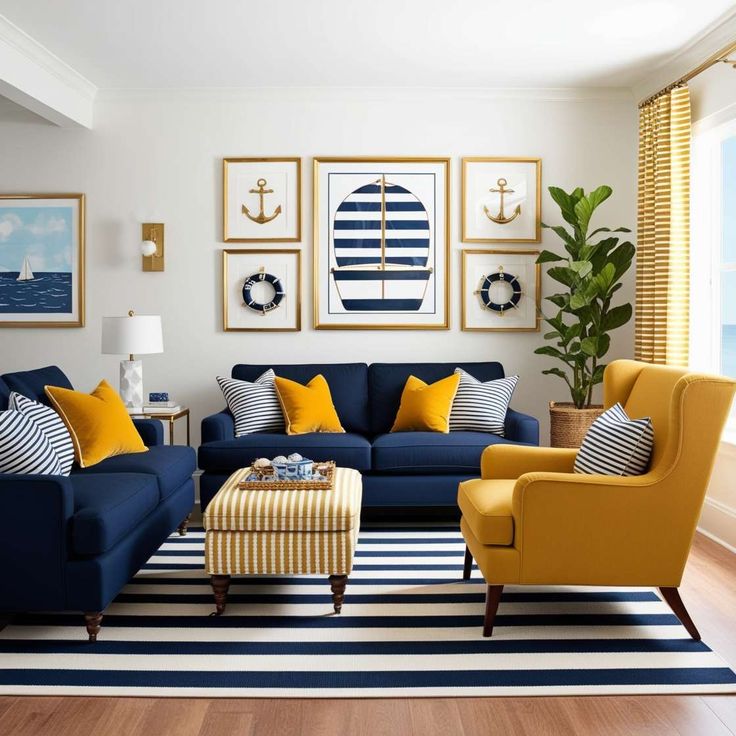
3) Navy + Warm White + Natural Oak (Timeless and Quietly Fancy)
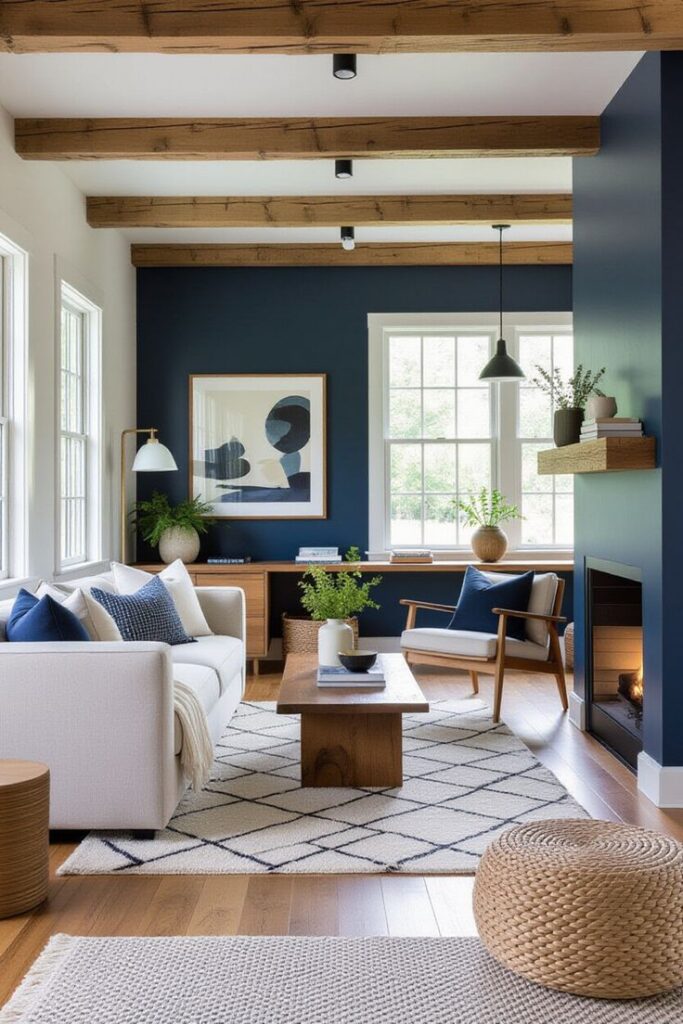
Navy always looks like it has a trust fund. Pair it with warm white and oak, and you get a home color scheme that feels established and calm.
- Navy: cabinets, an accent wall, or bedding
- Warm white: walls and trim
- Natural oak: floors, shelves, dining table
Do you want a bedroom that feels like a boutique hotel? Navy does that in about five seconds. I once painted a tiny office navy, and suddenly my inbox felt 12% less offensive.
4) Taupe + Olive + Antique Gold (Earthy, Not Boring)
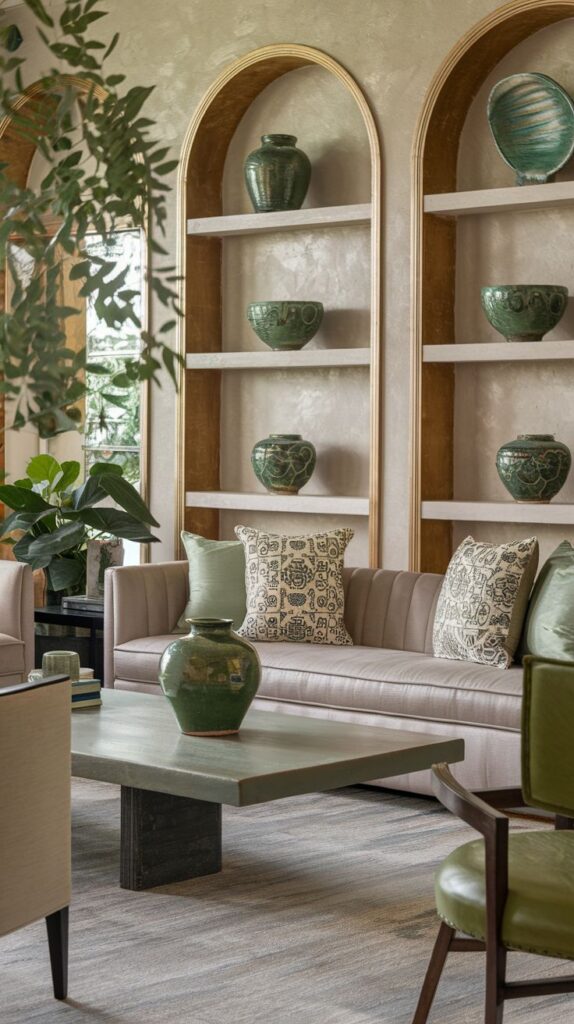
Taupe gives you that soft, expensive backdrop. Olive adds depth. Antique gold finishes the look like a vintage watch.
- Taupe: walls (especially in open layouts)
- Olive: upholstery, curtains, or cabinetry
- Antique gold: lamps, frames, hardware
This palette shines in rooms with plants and textured fabrics. Ask yourself: do you want “trendy” or do you want “forever”? Olive leans forever when you keep it muted.
5) Soft White + Dusty Blue + Pewter (Airy, Polished, Grown-Up)
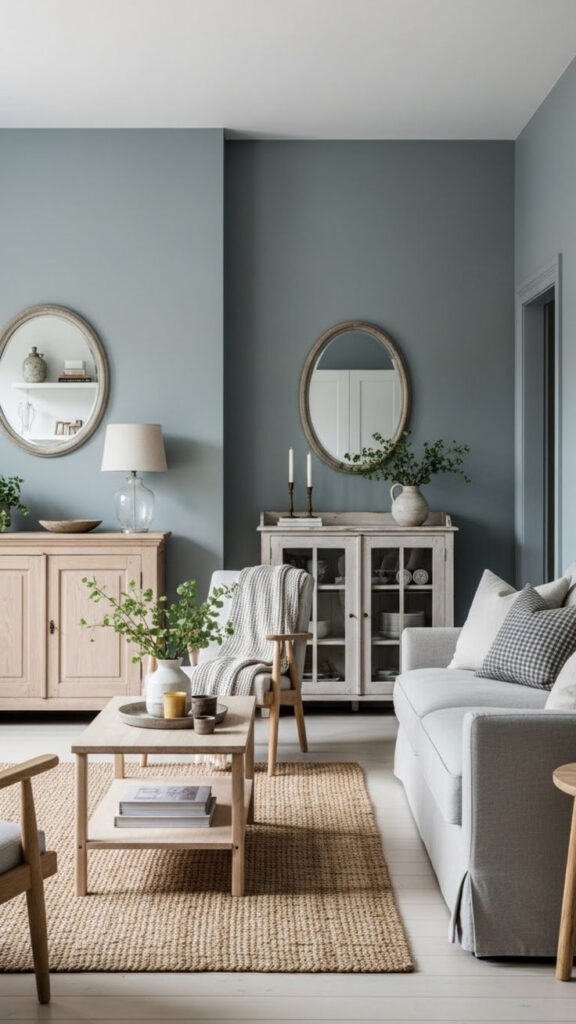
Dusty blue brings calm without screaming “baby nursery.” Pewter adds that quiet metallic edge that feels collected.
- Soft white: walls and trim
- Dusty blue: sofa, built-ins, or bedding
- Pewter: lighting, cabinet pulls, curtain hardware
I use this combo when I want a room to feel brighter but not sterile. Ever notice how some all-white rooms feel like a dentist’s office? Pewter fixes that problem fast.
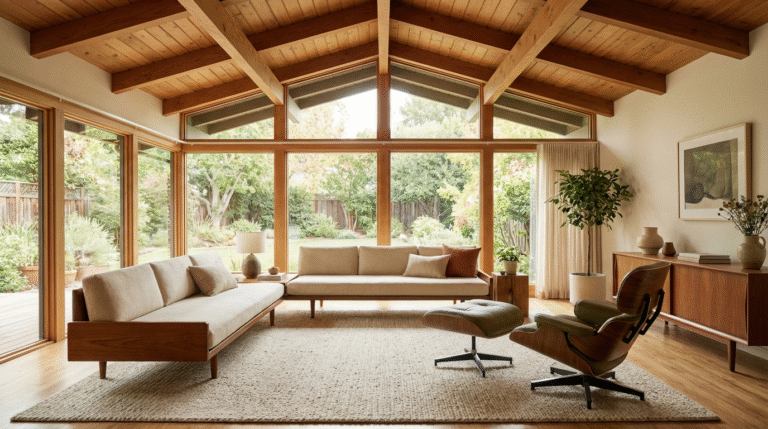
6) Sand + Terracotta + Dark Walnut (Warm Luxury Without the Fuss)
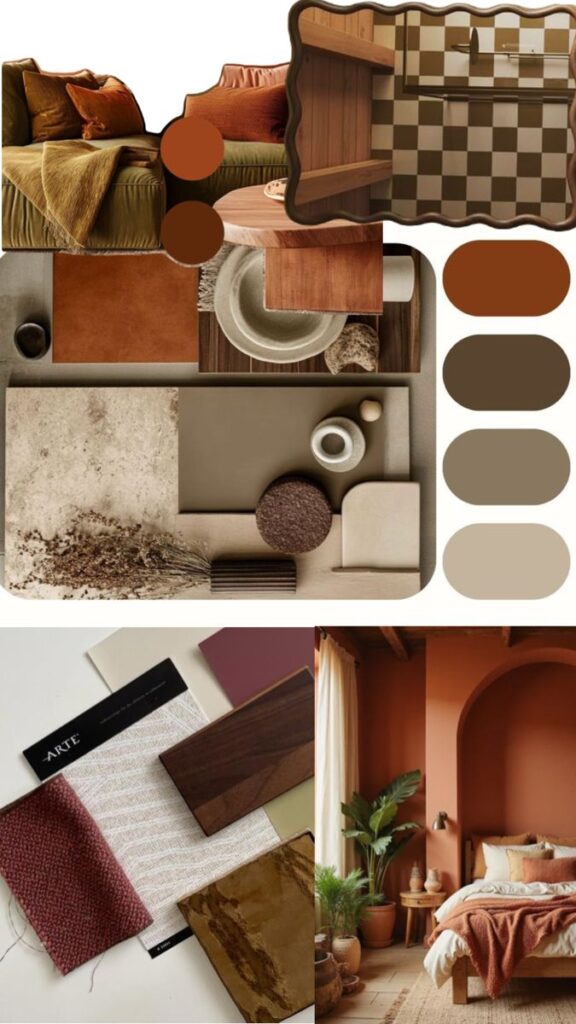
This one nails that expensive Mediterranean vibe without requiring you to move to Italy (sadly).
- Sand: main walls
- Terracotta: accents like pillows, art, or a patterned rug
- Dark walnut: furniture, beams, or frames
Terracotta looks best when you keep it muted and earthy, not neon-orange. Do you want “handmade pottery” or “traffic cone”? Choose wisely.
7) Light Gray + Deep Teal + Champagne Gold (Modern, But Still Cozy)
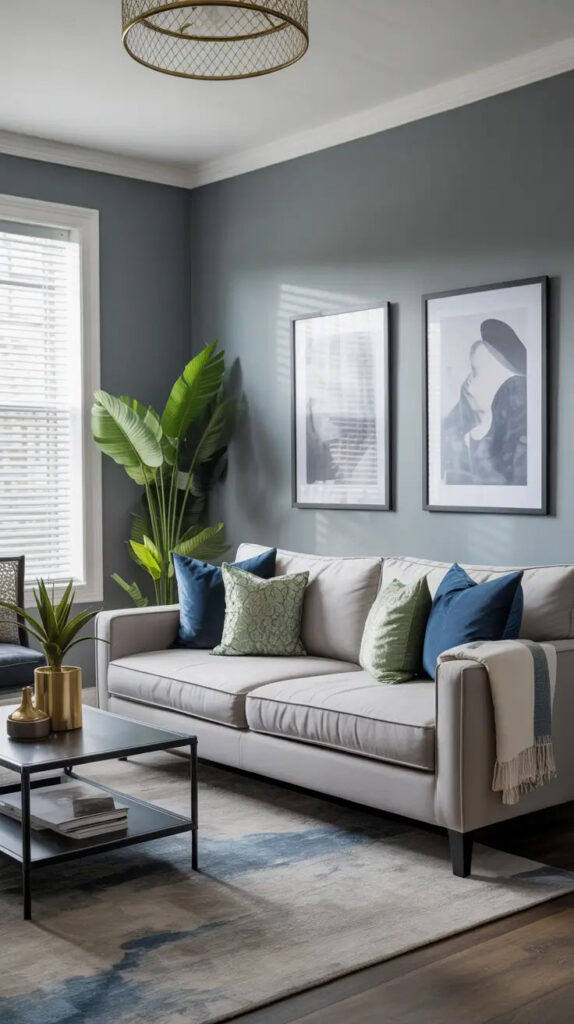
Teal brings drama. Light gray calms it down. Champagne gold warms everything up and makes it feel layered.
- Light gray: walls (cool-leaning)
- Deep teal: velvet chair, built-ins, or a feature wall
- Champagne gold: lighting and decor accents
This palette makes a living room look expensive even with basic furniture. I’ve watched teal rescue boring spaces like a superhero in a very stylish cape.
8) Mushroom + Blackened Bronze + Linen (Subtle, Layered, Expensive)
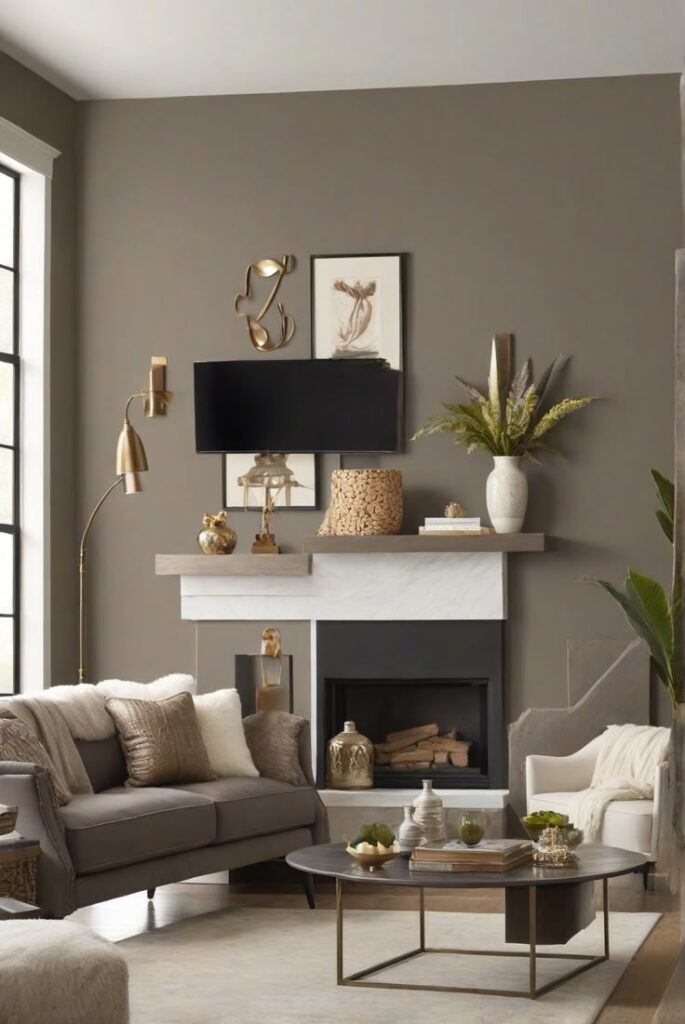
Mushroom sits between beige and gray, and it always looks elevated when you pair it with deep metal tones and soft textiles.
- Mushroom: walls or large upholstery
- Blackened bronze: hardware, sconces, faucets
- Linen: curtains, bedding, slipcovers
Want a fast upgrade? Swap shiny silver finishes for blackened bronze. Shiny chrome can look fine, but bronze almost always looks like you thought it through.
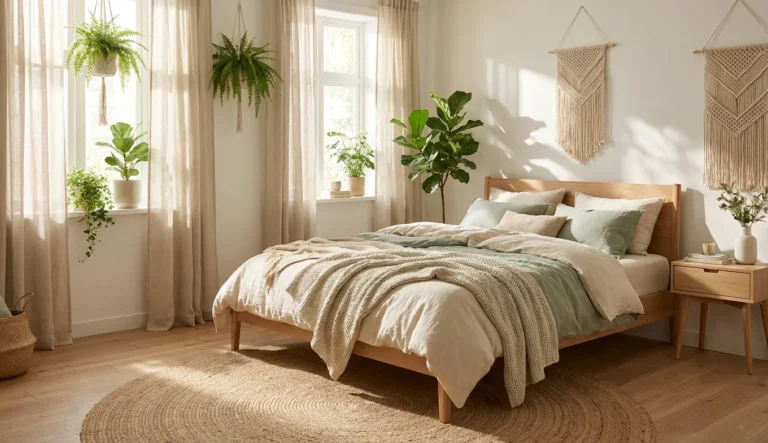
9) Sage + Cream + Warm Wood (Calm, Clean, and “I Have My Life Together”)
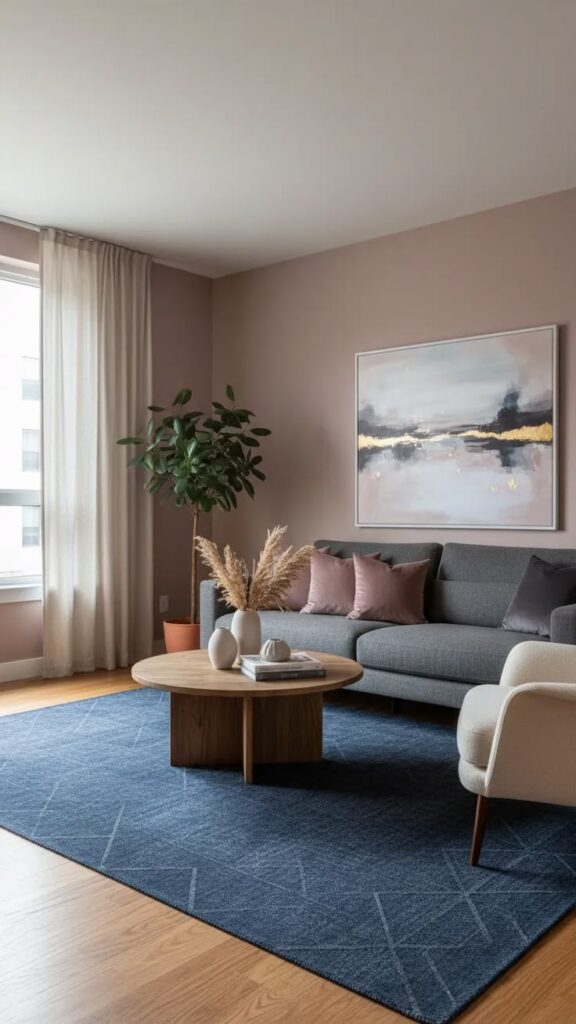
Sage gives you color without chaos. Cream keeps it soft. Warm wood brings the organic richness that makes everything feel grounded.
- Sage: walls or kitchen cabinets
- Cream: backsplash, trim, or bedding
- Warm wood: shelves, furniture, flooring
Sage looks expensive when you keep it dusty instead of bright. Ever walked into a room and instantly relaxed? This palette pulls that off with zero drama.
10) Chocolate Brown + Ivory + Copper (Moody, Cozy, and Upscale)
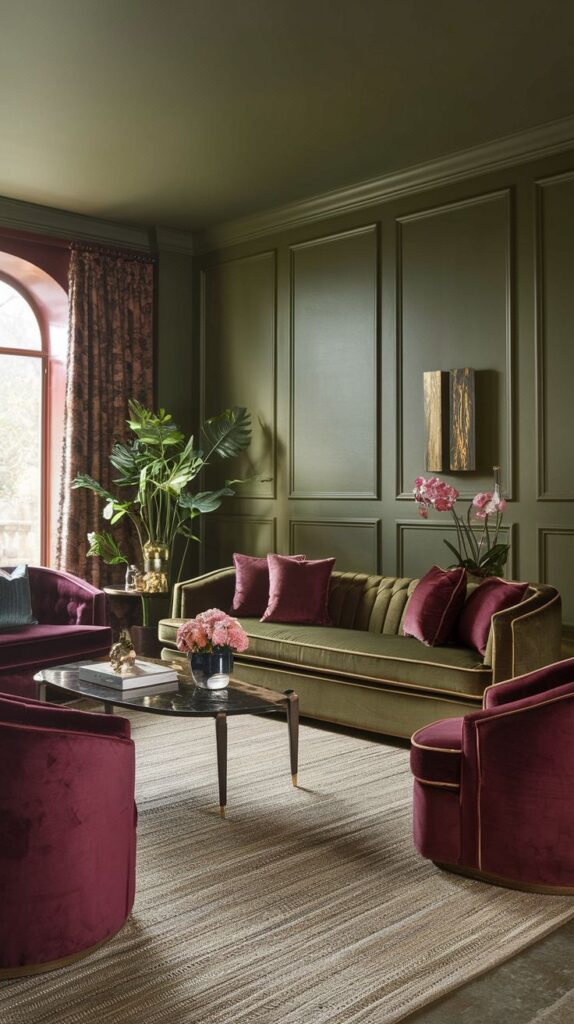
Chocolate brown adds depth like nothing else. Ivory keeps it from feeling heavy. Copper adds sparkle with warmth.
- Chocolate brown: accent wall, upholstery, or cabinetry
- Ivory: walls, trim, or large rugs
- Copper: pendants, accessories, or kitchen details
People fear brown because they remember the early 2000s. I get it. But deep brown plus ivory reads rich when you keep the finishes matte and the textures plush.
11) Stone + Black + Emerald (Sharp Contrast, Big Impact)
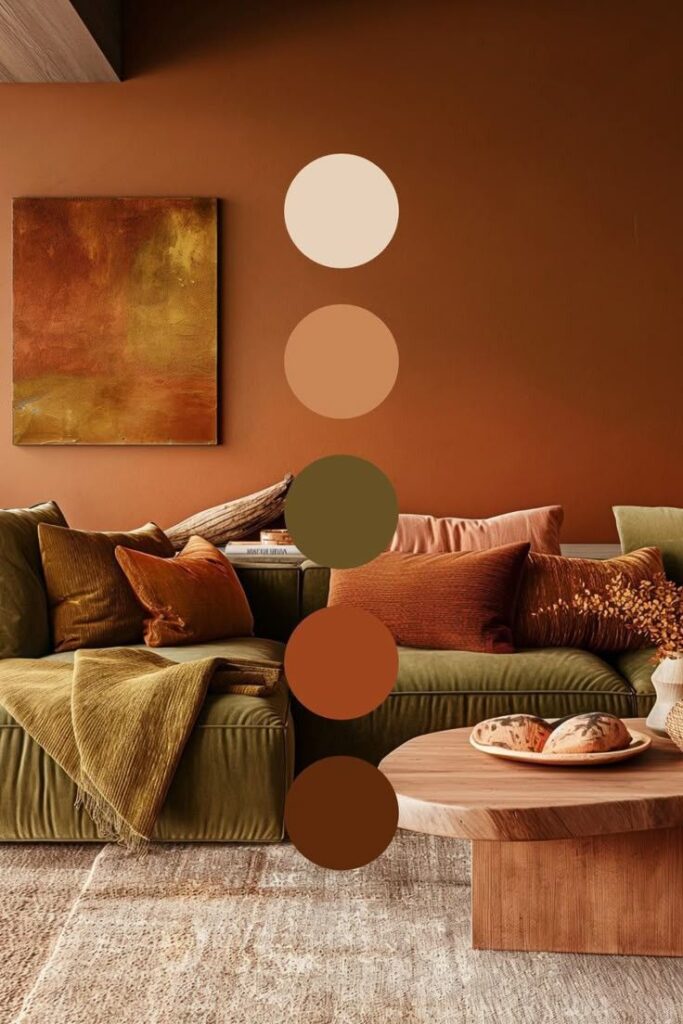
Stone acts as the calm background. Black adds structure. Emerald gives you that luxe jewel-box moment.
- Stone: walls (light neutral with depth)
- Black: window frames, railings, accents
- Emerald: velvet pillows, art, a statement chair
Ever wonder why emerald looks so expensive? Jewel tones look richest when a neutral and a dark anchor support them. Also, velvet helps. Velvet basically cheats.
12) Blush Beige + Burgundy + Aged Brass (Soft, Romantic, Not Sugary)
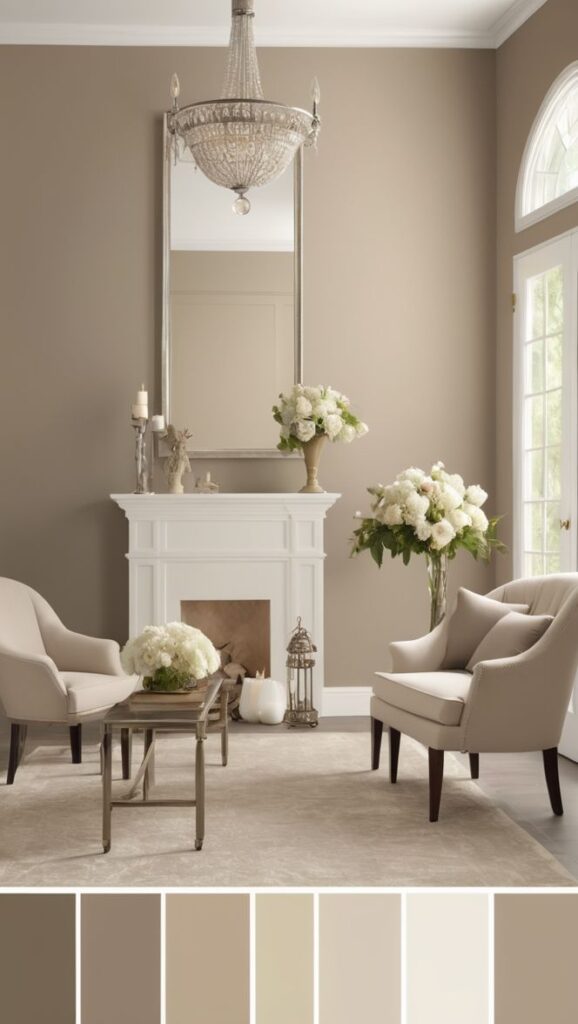
Blush beige keeps things warm and flattering. Burgundy brings sophistication. Aged brass finishes the whole look with a vintage glow.
- Blush beige: walls (especially bedrooms)
- Burgundy: rugs, drapery, or a headboard
- Aged brass: lighting, frames, cabinet hardware
This combo works when you keep blush muted and earthy. If you push it too pink, your room starts to feel like it drinks strawberry milk on purpose :/
Quick Tips to Make Any Expensive-Looking Color Palette Feel Designer
You can pick the perfect home color scheme and still miss the “expensive” mark if you ignore the details. I learned that the hard way after I painted a room beautifully and then kept a cheap plastic lamp like it paid rent.
Focus on finish and texture
Use:
- Matte or eggshell paint on walls for a softer look
- Satin or semi-gloss on trim for crisp definition
- Mixed textures like linen, velvet, wool, and wood grain
Do you want your room to look flat or layered? Texture gives you that layered, high-end feel even when you buy basics.
Repeat your metals on purpose
Pick one main metal (brass, black, bronze, chrome) and repeat it 3–5 times. Your space will look intentional fast.
Let one color dominate
If every color fights for attention, your room feels loud. If one color leads, your room feels expensive. That’s the whole game.
Conclusion
You can make your home look high-end with 12 reliable home color schemes and a simple 3-color palette approach. You just need a calm neutral, a deep anchor, and a smart accent that repeats around the room. You don’t need a design degree, and you definitely don’t need 47 paint colors on one wall like a confused mural.