8 Creative Closet-to-Gym Transformations for Tiny Homes
You know that closet you keep stuffing with “I’ll deal with this later” stuff? Yeah, that one. What if you turned it into a tiny home gym instead of a haunted storage portal full of tangled hangers and mystery boxes?
I love closet gyms because they feel sneaky in the best way. You shut the door, your place looks normal, and you still get your workout in. I built my first closet workout setup after I got tired of dragging equipment out like I staged a fitness-themed yard sale every morning.
So, want to transform a closet into a gym without wrecking your tiny home vibe? Let’s talk about 8 creative closet-to-gym transformations that actually work.
Before You Start: The Closet-to-Gym Checklist (So You Don’t Regret Everything)
You don’t need a perfect closet. You need a smart plan and about 15 minutes of honesty with a tape measure.
Measure the Closet Like You Mean It
Check these three things first:
- Width x depth (most closet gyms work in 24–48 inches deep)
- Door type (swing door vs. sliding)
- Stud locations if you plan to mount anything
Ever tried to do a lunge in a space that barely fits a broom? Not fun, right?
Decide Your Training Style
Pick the main focus for your closet gym:
- Strength training (dumbbells, kettlebells, cable systems)
- Bodyweight training (pull-up bar, rings, suspension trainer)
- Mobility + yoga (mat, blocks, stretching tools)
- Hybrid (a little of everything, with strict storage rules)
Tiny home gym setups work best when you pick a lane. You can mix later, but you need one “anchor” tool first.
Protect Your Walls and Floor
I learned this the hard way: closets show damage fast. Use:
- Rubber floor tiles or a cut-to-fit gym mat
- Felt pads under storage racks
- Wall protection if you store weights vertically
FYI, one dropped dumbbell can turn your floor into modern art. 🙁
1. The “Door-Back Gym” Closet Setup (Zero Floor Space Drama)
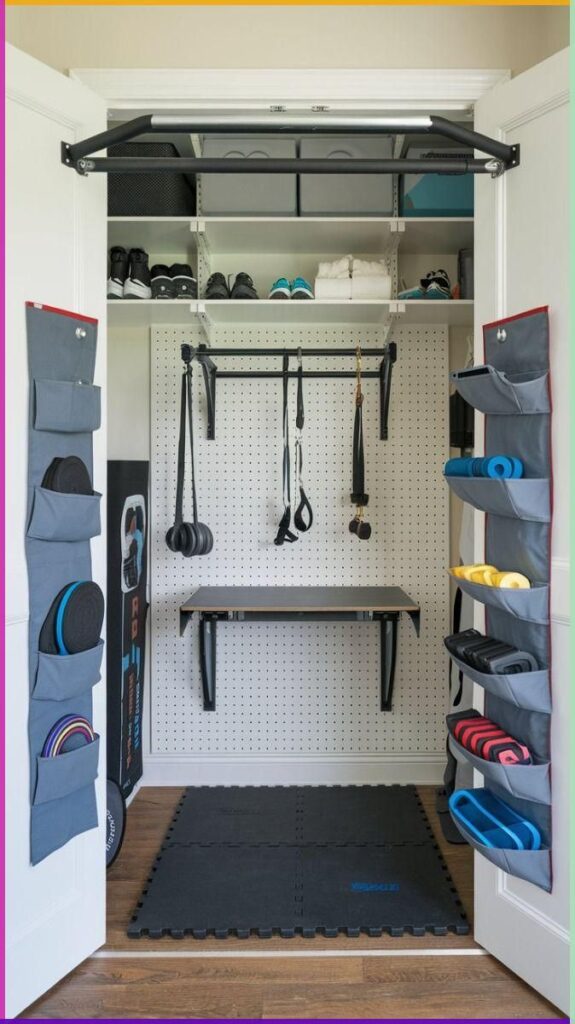
This one makes me happy because it feels like cheating. You use the back of the closet door like a mini gym wall.
What You Put In
- Over-the-door storage rack (hooks + pockets)
- Resistance bands and loop bands
- Jump rope (if your ceilings allow it)
- Mini ab wheel or sliders
Why It Works So Well
You keep the closet floor completely open. You also grab gear fast, which matters when motivation hangs by a thread.
Use this setup if you want:
- Quick full-body band workouts
- Shoulder and posture work
- Light conditioning circuits
Do you really need a whole room when the door does the heavy lifting? Exactly.
2. The “Closet Cable Station” (The Fancy Feel in a Tiny Footprint)
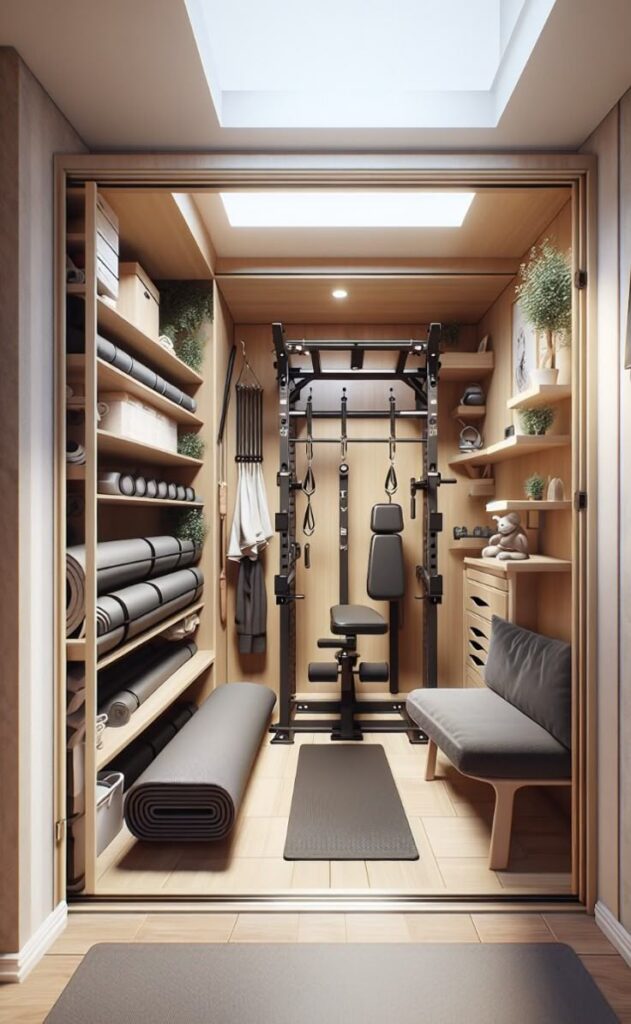
If you want that cable-machine vibe without donating your living room to a gigantic tower, you’ll love this.
The Core Idea
You mount a compact wall cable system (or a high-quality pulley setup) inside the closet. You add one small shelf for handles and accessories.
What I Like About Cables (IMO)
Cables give you smooth resistance and endless angles. Dumbbells feel awesome, but cables help you stay consistent with tension through the whole movement.
Best Moves for a Closet Cable Gym
- Lat pulldown variations (with a high mount)
- Triceps pressdowns
- Cable rows (seated or half-kneeling)
- Face pulls for shoulder health
Key tip: Put rubber flooring down and keep one adjustable bench nearby outside the closet. You’ll use the bench more than you expect.
3. The “Pull-Up + Rings Closet” (Bodyweight Beast Mode)

You can build an elite minimalist gym with just a bar and rings. You also get that cool “I train like a ninja” energy, which never hurts.
What You Need
- Doorway pull-up bar or mounted bar (if you own)
- Gymnastic rings or a suspension trainer
- Small mat for knees and core work
Why This Closet Gym Hits Hard
Rings let you scale everything. You can do rows, push-ups, dips (with care), and core work with tiny adjustments.
You get:
- Upper-body strength without bulky equipment
- Serious core engagement
- Endless progressions
Ever noticed how bodyweight work exposes weak links immediately? Rings definitely do that. They feel humbling in a productive way.
4. The “Fold-Out Dumbbell Closet” (Strength Training Without Clutter)
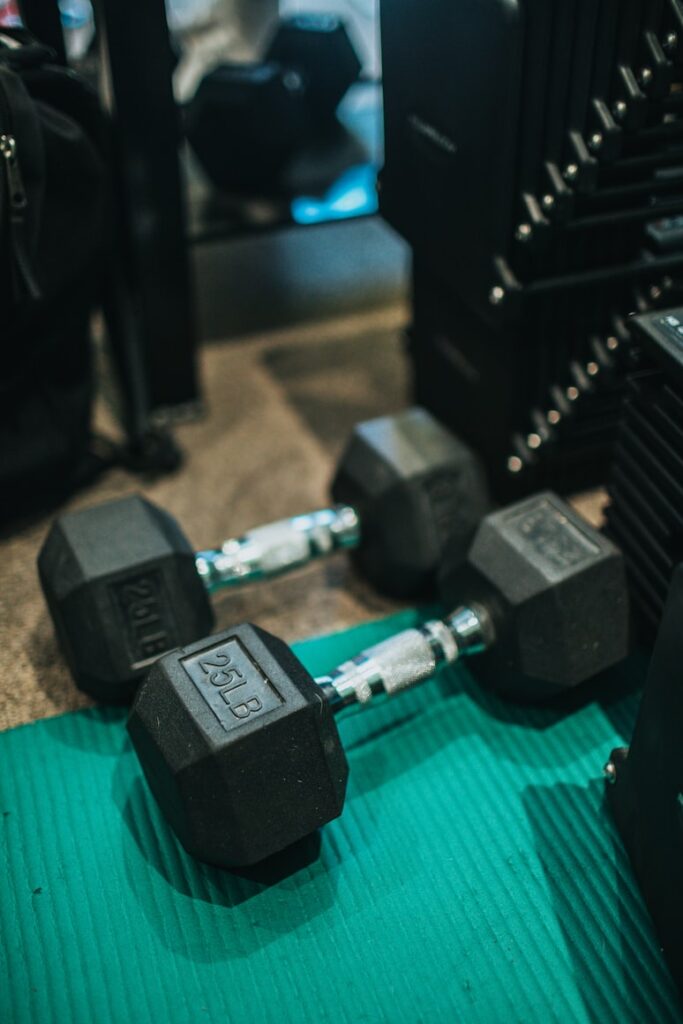
This setup feels classic because it works. You store everything inside the closet and train right outside it.
How You Set It Up
You place adjustable dumbbells on a sturdy shelf or low stand. You store a foldable bench vertically or against the closet wall. You keep a folding mat rolled up in the corner.
Why I Keep Coming Back to Dumbbells
Adjustable dumbbells give you serious strength training in a tiny space. You can go heavy, train safely, and progress forever.
You can run workouts like:
- Dumbbell squat + press
- One-arm row + split squat
- Romanian deadlift + floor press
Pro move: Add a small mirror on the closet door. You’ll check form without turning your living room into a dance studio.
5. The “Yoga Closet Sanctuary” (Yes, a Closet Can Feel Calm)
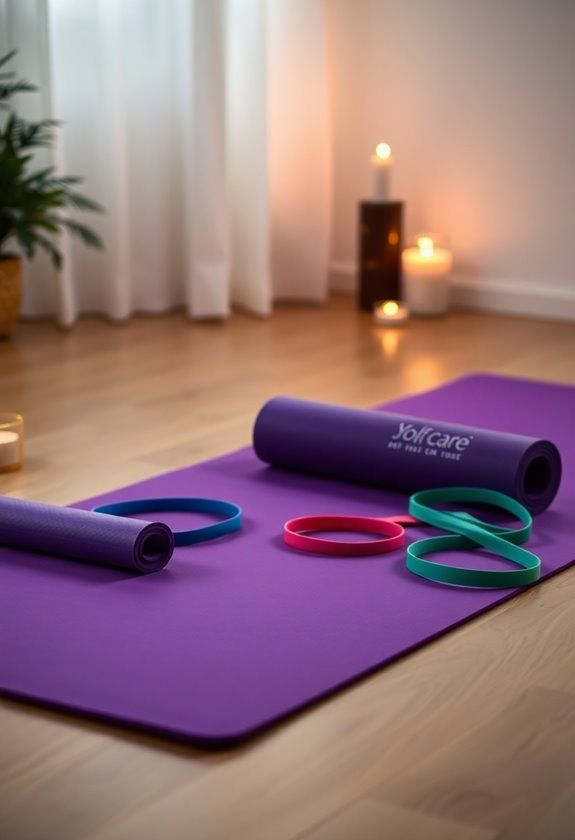
You don’t need a huge studio for mobility and yoga. You need a quiet corner, a mat, and permission to keep it simple.
What You Store Inside
- Yoga mat (rolled vertically)
- Blocks and a strap
- Bolster or firm pillow
- Optional: massage ball or mini foam roller
How You Make It Feel Good
You add soft lighting and keep the shelf uncluttered. You treat this closet like a “reset zone,” not a storage dump.
This closet gym helps with:
- Daily mobility
- Recovery days
- Stress relief
- Better sleep routines
Do you want to stretch more consistently? Make the setup so easy that you can’t talk yourself out of it.
6. The “Micro Cardio Closet” (Tiny Machine, Big Consistency)
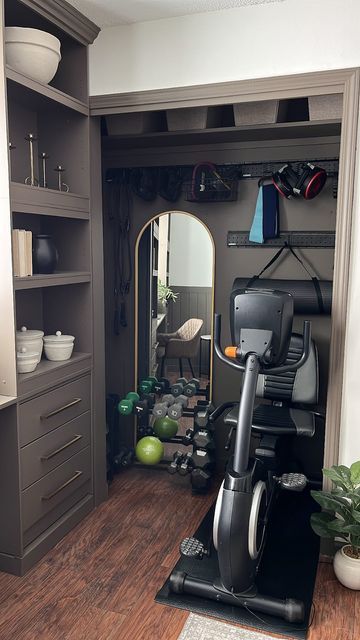
Cardio in a tiny home feels tricky until you go micro. You don’t need a treadmill that eats half your square footage like some kind of metal landlord.
What Works Best in Closets
- Walking pad stored vertically (if your closet fits the height)
- Compact stepper
- Jump rope (only if you have space to use it outside)
How You Use the Closet
You store the machine inside and pull it out for workouts. You also keep a small towel hook and a basket for sweat gear because reality exists.
I like this approach because it builds consistency. When cardio feels easy to start, you actually do it.
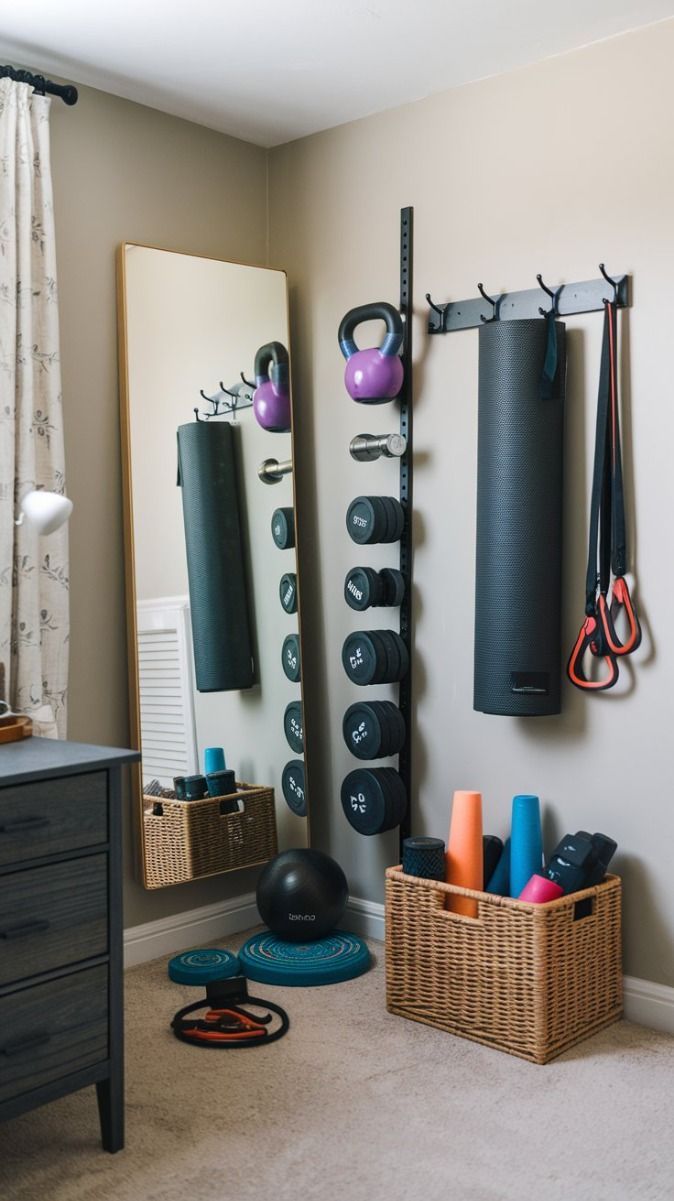
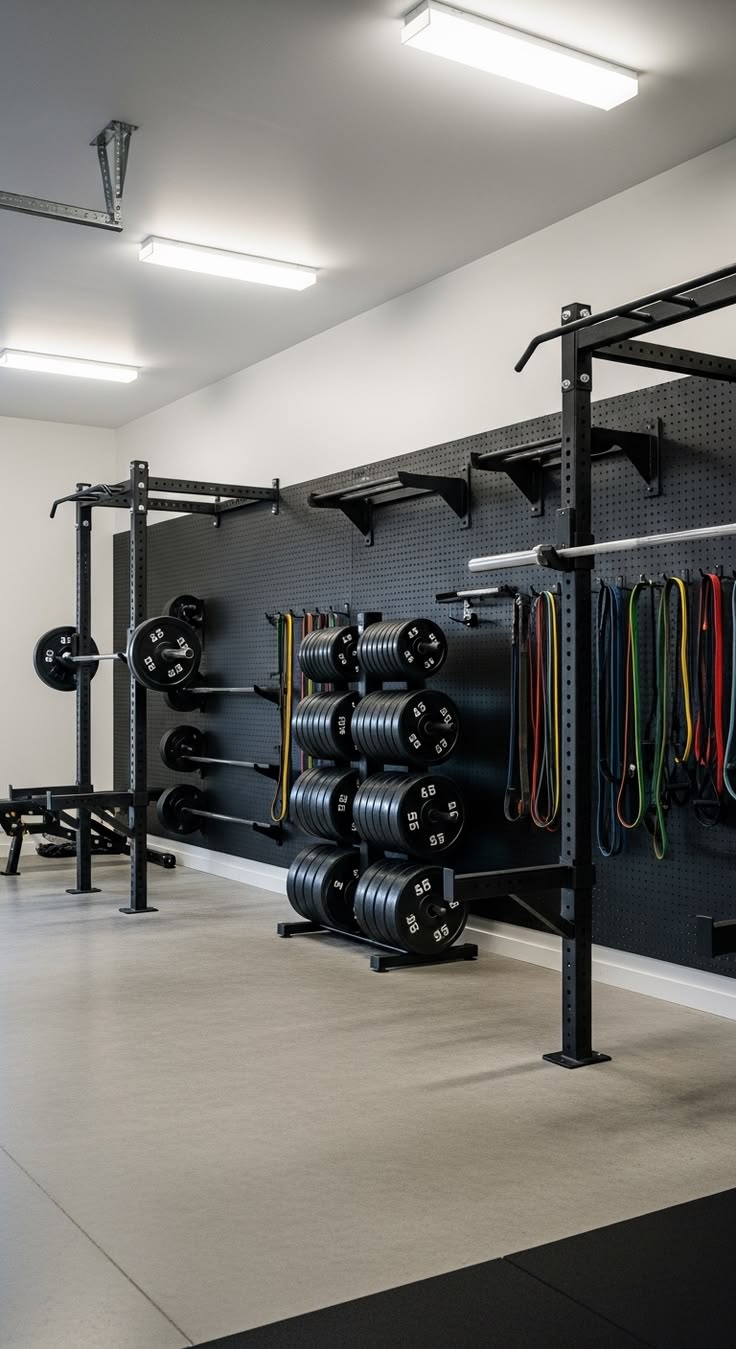
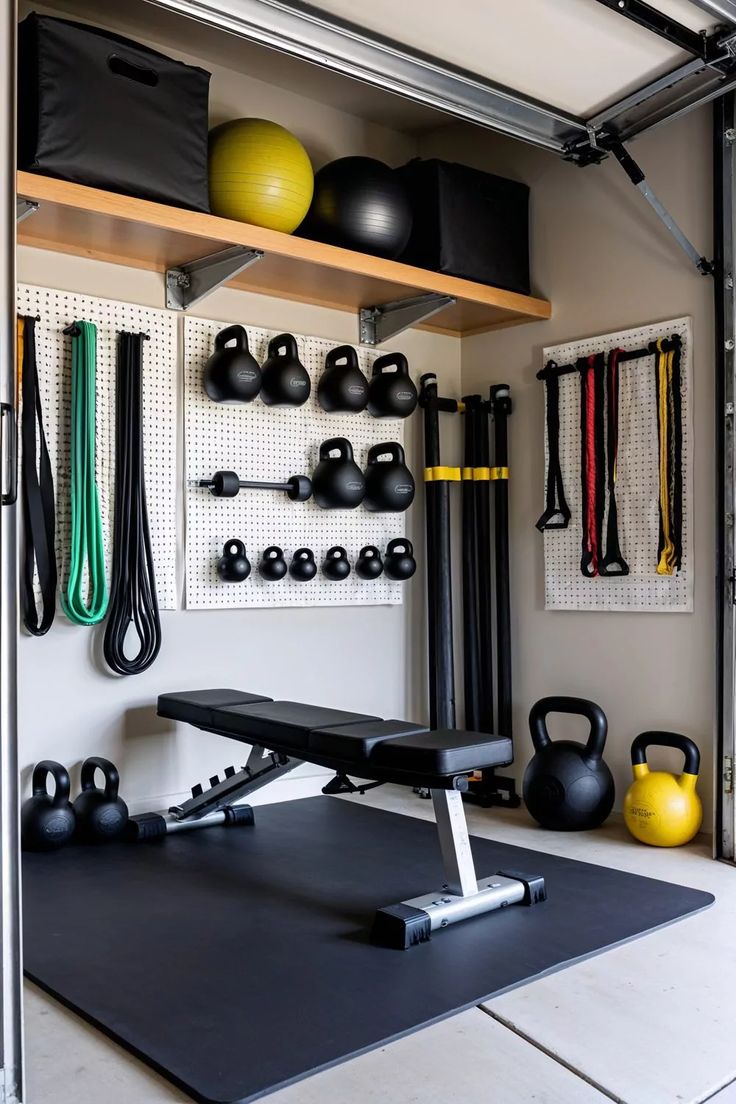
7. The “Pegboard Gear Wall” (The Most Satisfying Visual Upgrade)
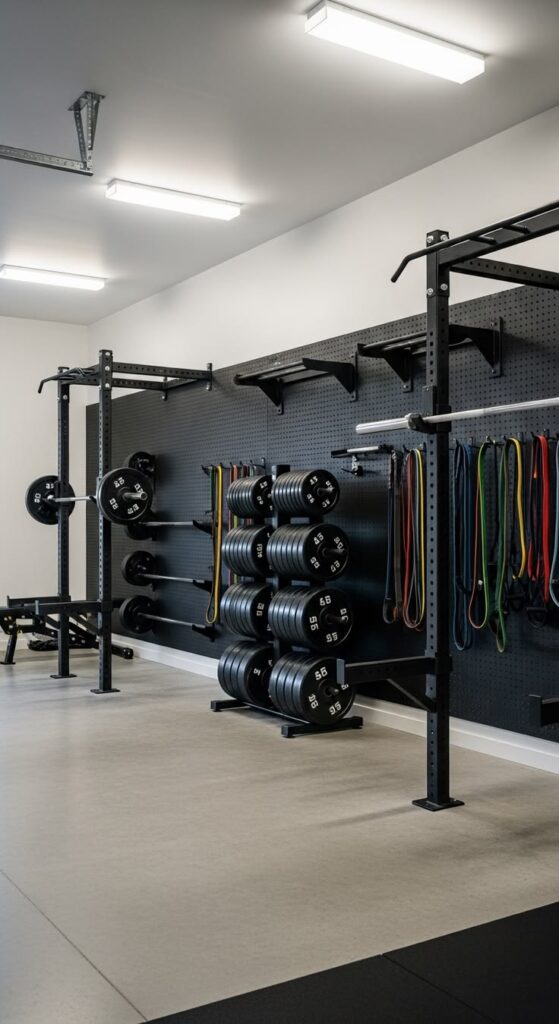
If you love an organized setup, this closet-to-gym transformation will scratch that itch.
The Setup
You install a pegboard or slat wall on one side of the closet. You hang everything in plain sight, so you never dig through bins again.
What You Hang on the Wall
- Bands and handles
- Jump rope
- Lifting belt
- Lightweight attachments (ankle straps, grips)
- Timer or small training notebook
Why It Works for Tiny Home Gyms
You use vertical space like a genius. You also turn your gym gear into a “display,” which weirdly boosts motivation.
You’ll love this if you want:
- A clean minimalist look
- Fast setup and cleanup
- Better habit consistency
Ever cleaned up your gear and felt like you leveled up as a person? Pegboards do that.
8. The “Hidden Closet Gym Behind Curtains” (The Disappearing Act)
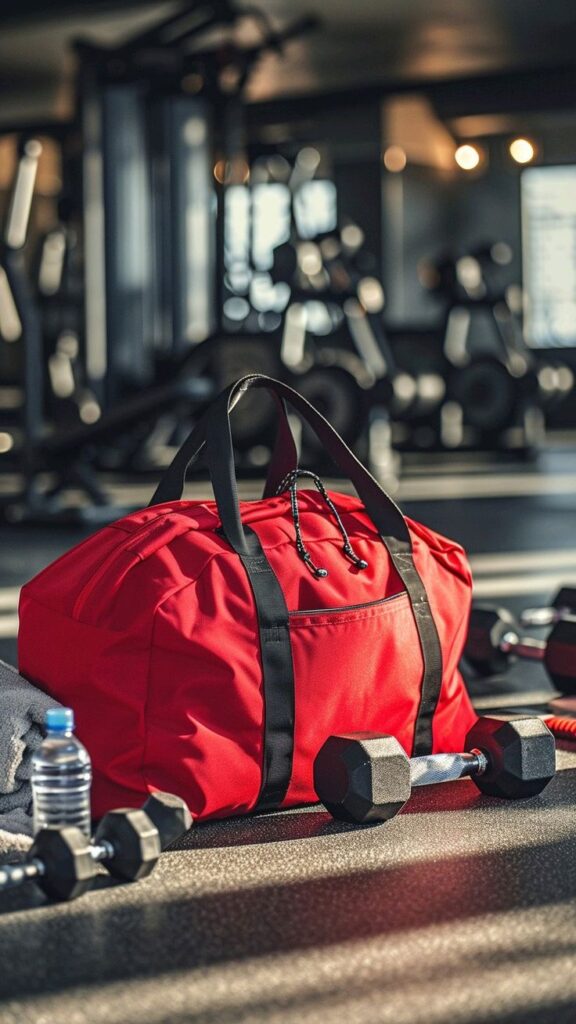
Some tiny homes use open closets or awkward nooks. Curtains solve that while still keeping the gym accessible.
How This Transformation Works
You replace doors with a curtain rod and heavy curtain. You build a compact gym inside and hide it instantly when guests show up.
Because obviously your friends don’t need to see your sweaty resistance bands hanging like modern decor.
What Fits Best Behind a Curtain
- Adjustable dumbbells or kettlebells
- Foldable bench or step
- Bands and a mat
- Small shelf for towels and accessories
Key benefit: You create a “room within a room” without building anything permanent.
Smart Storage Moves That Make Any Closet Gym Better
Closet gyms succeed or fail based on storage. You can own great equipment and still hate your setup if it feels messy.
Keep Your Closet Gym Minimal (But Functional)
I stick to this rule: One main training tool + two accessories.
Examples:
- Dumbbells + bands + mat
- Rings + straps + ab wheel
- Cable system + handles + rope attachment
This rule keeps the space clean and makes workouts feel obvious.
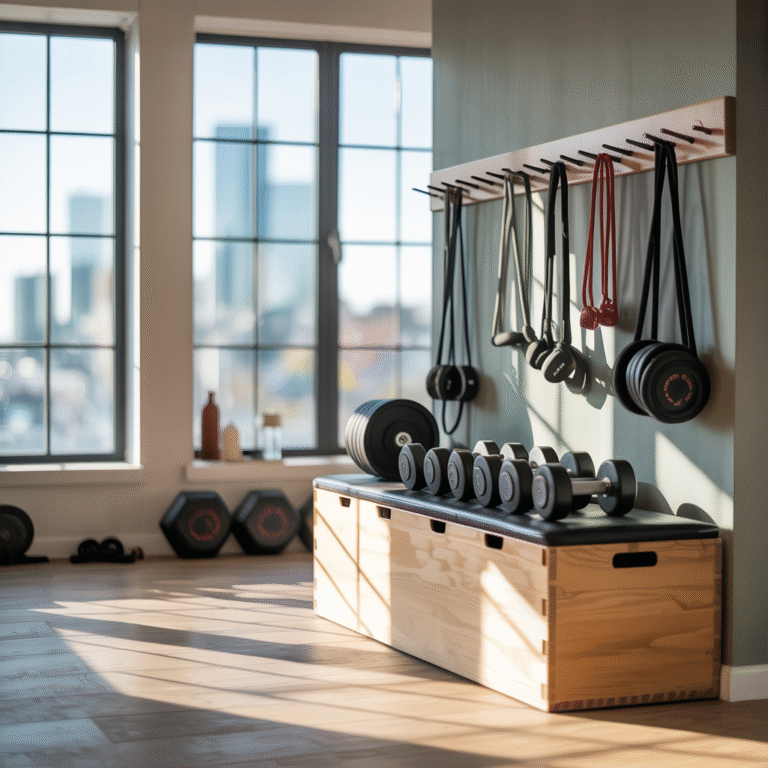
Use These Storage Helpers
- Wall hooks for bands and straps
- Stackable bins for small items
- Vertical stands for dumbbells or kettlebells
- Tension rods for lightweight hanging storage
You want the closet to feel like a gym, not like a chaotic drawer with a door.
Safety Notes (Because Tiny Spaces Don’t Forgive Mistakes)
You can train hard in a tiny closet gym, but you should train smart too.
Closet Gym Safety Basics
- You need clear floor space for your feet and knees.
- You should check door clearance before swings, presses, or ring work.
- You must secure mounts into studs if you install anything.
- You should store heavy gear low, not on high shelves.
Ever dropped a weight in a closet and watched it bounce toward drywall like it held a personal grudge? Yeah, let’s avoid that.
How to Choose the Best Closet-to-Gym Transformation for Your Tiny Home
You’ll pick faster if you answer these questions:
- Do you want strength, mobility, or cardio most?
- Do you rent or own?
- Do you want the gym to hide completely?
- Do you prefer guided workouts or DIY programming?
Here’s a quick match:
- Want strength with minimal gear? Choose the Fold-Out Dumbbell Closet.
- Want the most variety per square inch? Choose the Closet Cable Station.
- Want minimalist bodyweight training? Choose the Pull-Up + Rings Closet.
- Want calm and recovery? Choose the Yoga Closet Sanctuary.
- Want organization that feels amazing? Choose the Pegboard Gear Wall.
- Want the gym invisible in 2 seconds? Choose the Curtain Hidden Closet Gym.
You don’t need perfection. You need a setup you’ll actually use.