8 Creative Living Room Separator Ideas for Open-Plan Spaces
Your open-plan space looks gorgeous in photos, but in real life your sofa stares straight at the kitchen mess and your “living room” feels like a hallway with dreams?
Yeah, same.
I love open-plan living because it gives everything that airy, social vibe. But without some kind of living room separator, the space can feel chaotic fast. One minute you relax on the sofa, and the next you mentally scrub the countertop with your eyeballs.
So let’s fix that.
I pulled together 8 creative living room separator ideas for open-plan spaces that actually work in real homes, not just staged showrooms. I tried most of these in my own (too open) space, and each one changed the room’s energy in a different way.
Ready to make your living room feel like a real zone again?
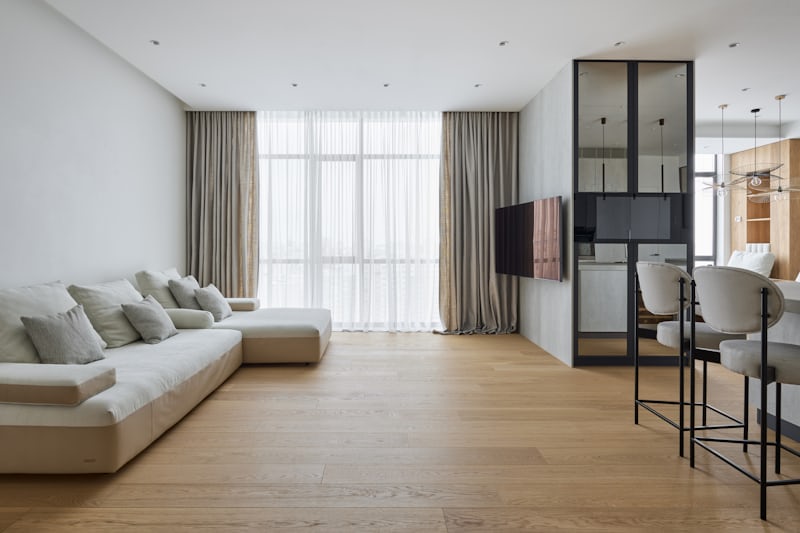
1. Use Your Sofa and Rug as a “Soft Wall”
You don’t always need a literal wall. You can fake a wall with a smart layout.
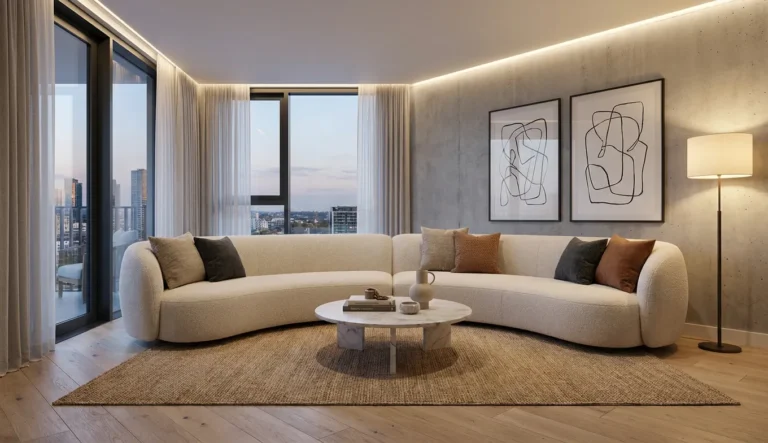
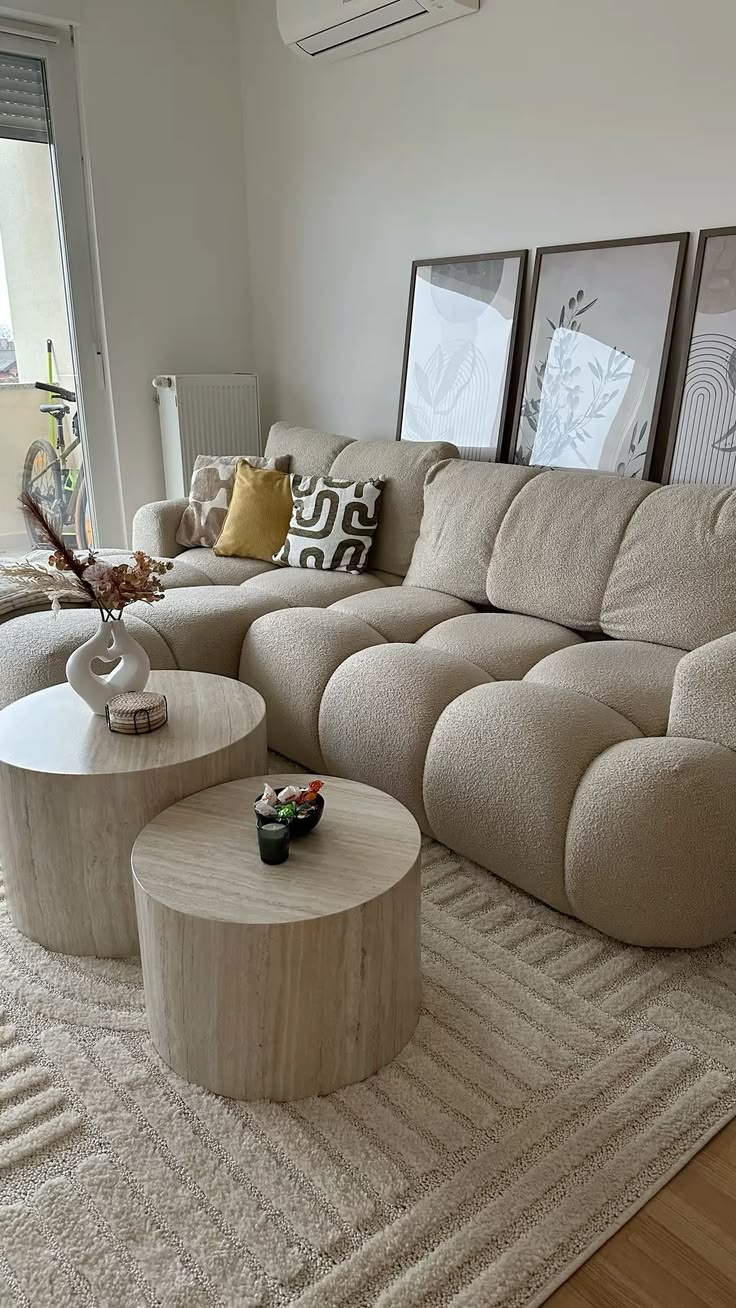
Turn your sofa back towards the rest of the space and let it act as a low divider. Then anchor the seating area with a rug. That combo creates a clear living room zone without closing anything off.
Ever notice how a rug instantly says, “This is a separate area now”? It works like magic.
Try this layout:
- Place the sofa with its back to the dining area or kitchen
- Add a large rug that sits under at least the front legs of the sofa and chairs
- Slide a slim console table behind the sofa for extra definition and storage
- Use a floor lamp behind or next to the sofa to mark that “edge” even more
This setup works best in open-plan living rooms that feel too long or undefined. You guide the eye and tell it: Living room here, chaos over there.
Key tip:
Pick a rug that contrasts slightly with the adjacent area. For example, if you use light tiles in the kitchen, go for a warmer, textured rug in the living room. That contrast reinforces the separation without shouting.
2. Add Open Shelving as a Stylish Divider
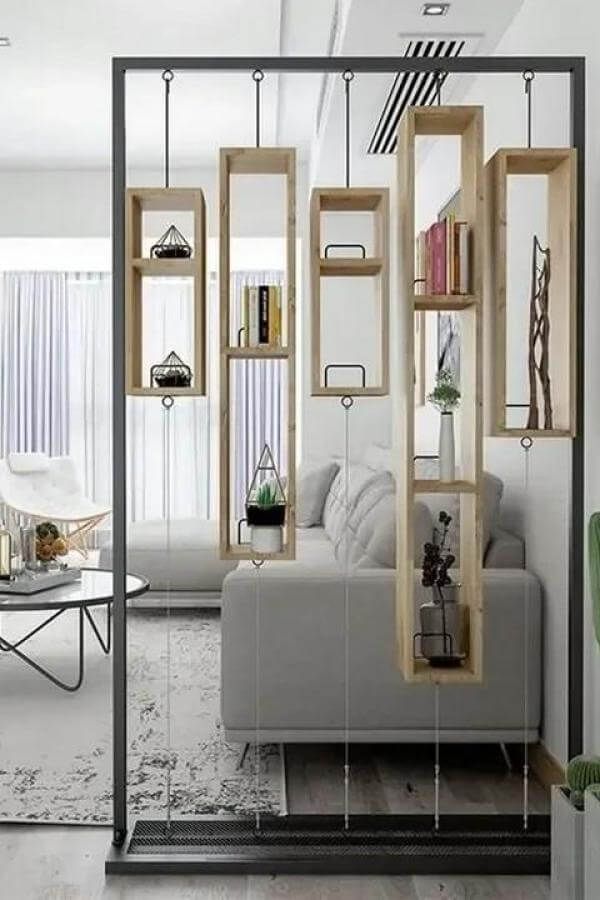
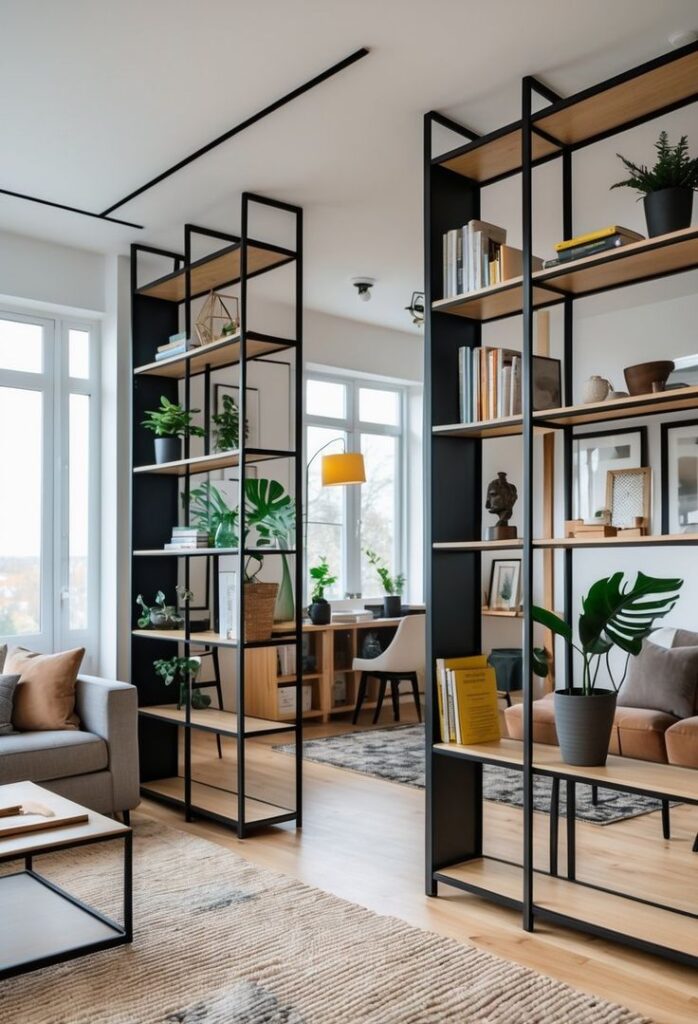
When I first used an open shelving unit as a divider, I expected it to feel clunky. Instead, it gave me storage, display space, and separation in one hit.
Open shelves work perfectly as a semi-transparent living room separator. They break up the space but still let light and sightlines through, so the room stays airy.
Best things about open shelving as a divider:
- Storage + display: You hold books, baskets, plants, and decor
- Light flow: You keep things bright because you avoid a solid block
- Flexibility: You move or rotate the unit if you change your layout
You can:
- Run a tall bookcase perpendicular to the wall between the living and dining zones
- Use a backless shelving unit so both sides feel finished
- Style one side more “living room” (books, art, plants) and the other more “dining” or “kitchen” (cookbooks, bowls, glassware)
Pro tip:
Keep at least 20–30% of each shelf empty. That negative space stops the divider from feeling like a heavy wall of stuff.
IMO, open shelving beats a solid partition most of the time because you gain useful storage and avoid a boxy look.
3. Create a Green Divider with Plants
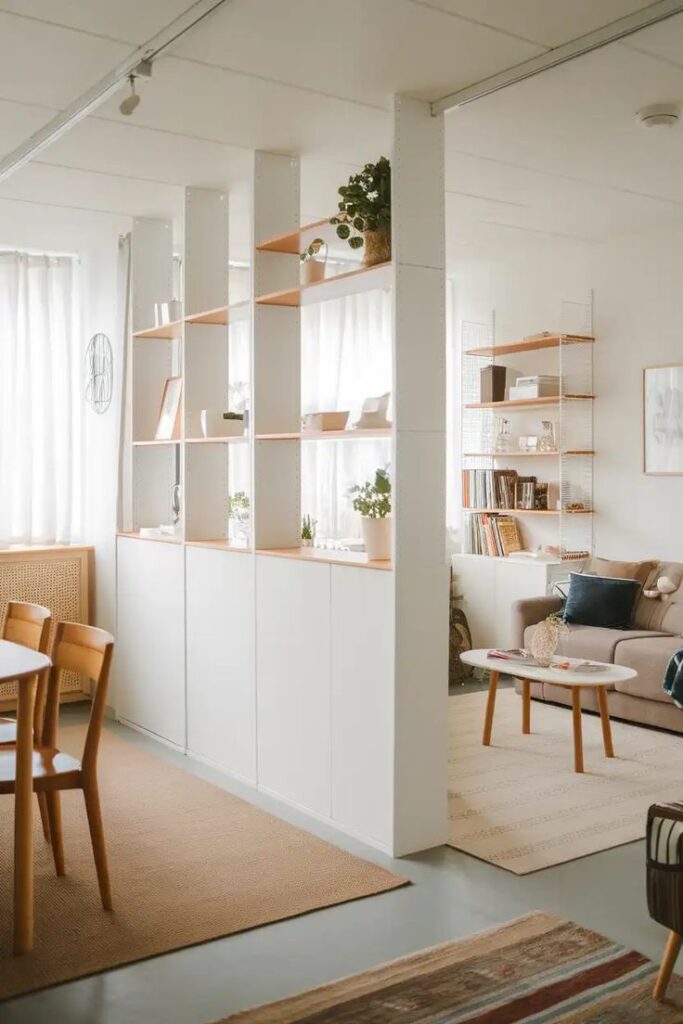
You want an organic, cozy vibe instead of straight lines and solid surfaces? Go wild with plants.
A row of tall plants or a cluster of mixed heights can separate your living room from the rest of your open-plan space in a softer, more relaxed way.
Good plant options for a living room divider:
- Tall, upright plants: Fiddle leaf fig, bird of paradise, rubber plant
- Bushier plants: Schefflera, large ferns, monstera
- Trailing plants: Pothos or ivy on a plant stand or shelf
You can:
- Line up three or four tall plants in matching pots behind the sofa
- Use a plant stand or bench to create a continuous green “barrier”
- Combine plants with a low open shelf for extra structure
Ever walk into a space and instantly feel calmer because you see greenery? That happens here too. You get separation, but you also get life and texture.
Key tip:
Stick to one main pot color (white, black, terracotta, whatever you like) for most of the plants in that divider zone. That consistency keeps the area polished instead of chaotic jungle-core.
4. Use Glass or Crittall-Style Partitions
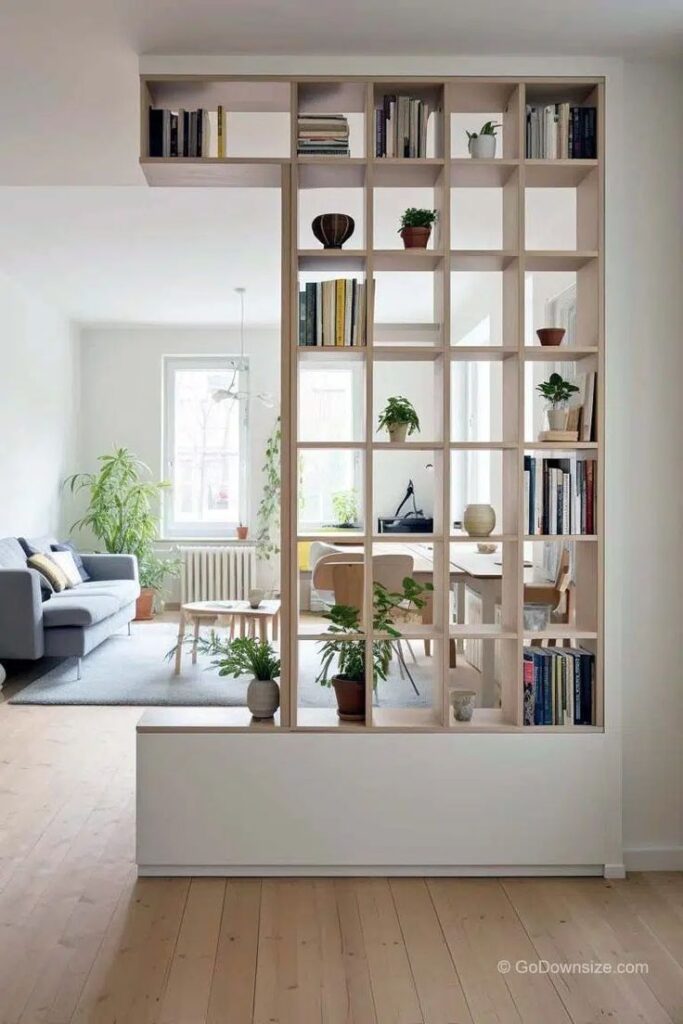
Sometimes you want a clearer divide, especially if you work from home or need noise control, but you still crave light and openness. This situation screams: glass partition.
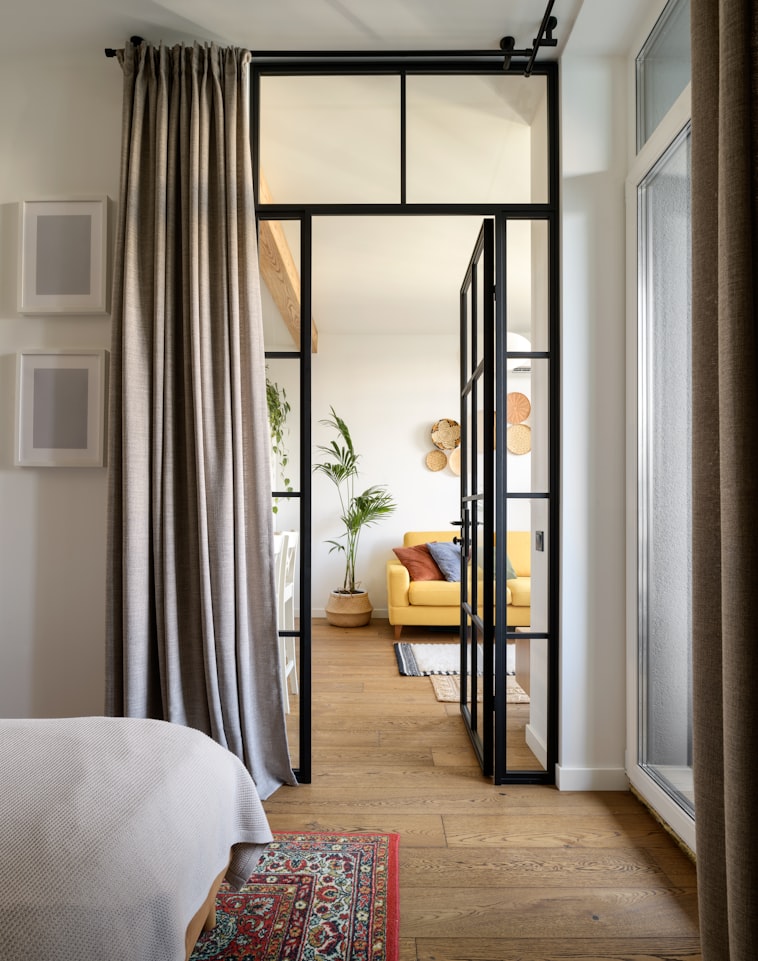
Think black-framed, Crittall-style glass or simple framed panels. They separate the living room visually and acoustically while keeping everything bright.
You can:
- Install a partial glass wall that stops a bit short of the ceiling
- Use sliding glass panels that you open or close as needed
- Combine a solid lower half with glass above for a more grounded look
Why glass partitions work so well:
- They maintain natural light across the entire open-plan space
- They give a strong architectural feature
- They help reduce sound transfer between the living room and kitchen or office area
If you worry about the look feeling too “office”, soften it with:
- Sheer curtains you pull across sometimes
- Plants in front of the glass
- Warm wood furniture and textiles in the living area
Glass gives a more serious level of separation, so you might choose this if you host often, work from your living room, or just don’t want the TV competing with blender noise 24/7.
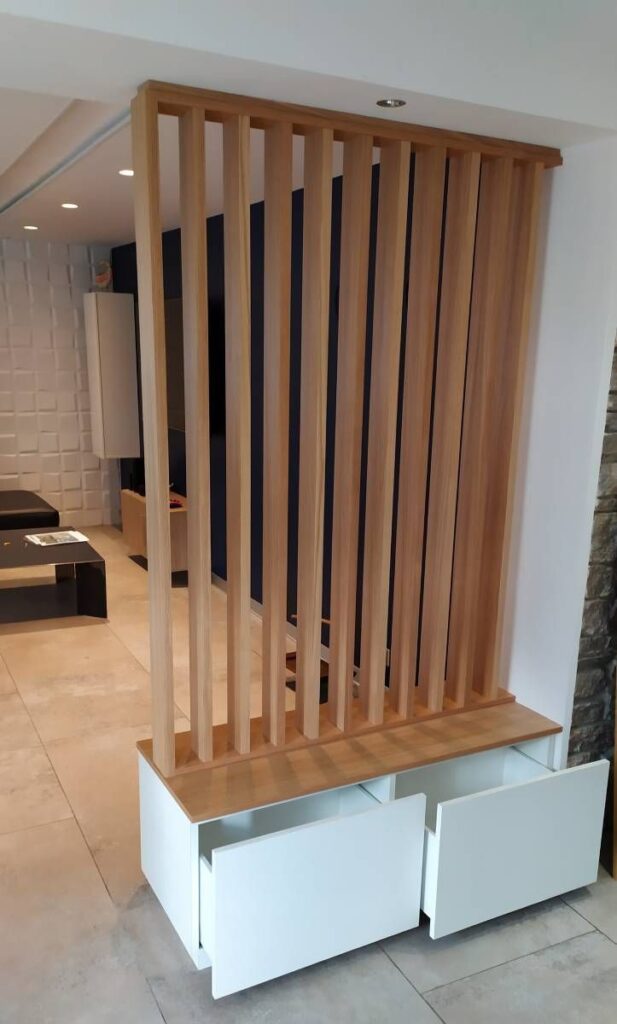
5. Add Slatted Wood Screens for Warm, Modern Separation
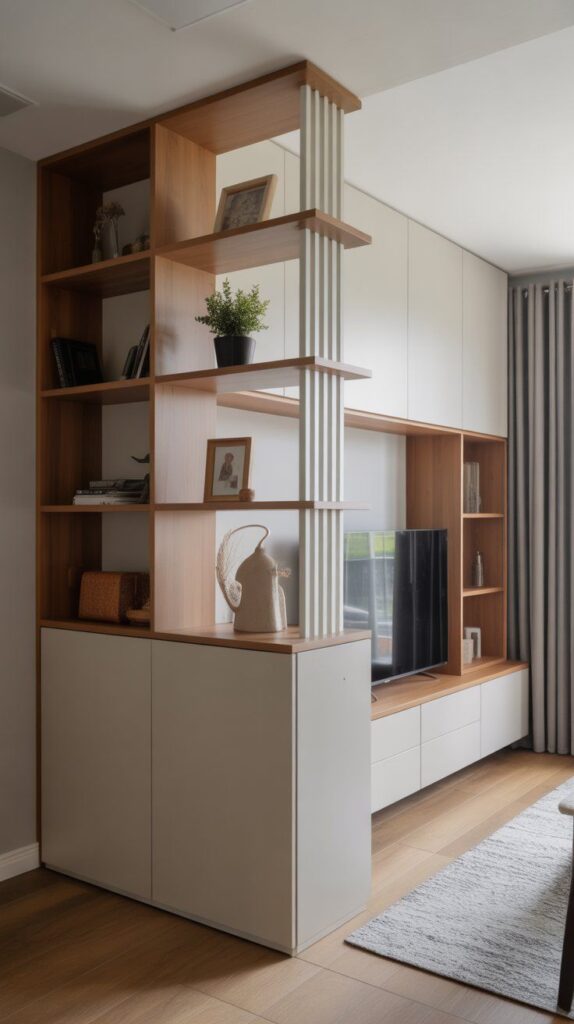
If you love that clean, modern, Pinterest-y vibe, you’ll probably fall for slatted wood dividers.
You create a screen with vertical or horizontal wood slats that partially block the view while letting light slip through the gaps. It feels warm, architectural, and subtle.
Ways to use slatted wood as a living room separator:
- Build a fixed screen between the entry and living area
- Install ceiling-to-floor slats behind the sofa
- Create a half-wall with slats above for a semi-open effect
This idea works well when you want more privacy than plants or shelves offer, but you still hate the thought of a solid wall.
Design tips:
- Match the wood tone to something else in the room (floor, coffee table, dining table)
- Keep the slats evenly spaced to avoid a messy, DIY-gone-wrong feel
- Use slimmer slats for a more refined, modern look
I love slatted screens in smaller open-plan spaces because they add character without shrinking everything. The light still filters through and makes the room glow.
6. Use Curtains and Textiles as Flexible Dividers
Sometimes you want separation only on demand. Maybe you watch a movie and want to block kitchen clutter, or you host guests who stay on the sofa. Curtains solve that problem nicely.
You can run ceiling-mounted curtain tracks across the space that divides your living area from the rest. Then you pull the curtains closed when you want privacy and slide them open when you want full openness.
Curtain divider ideas:
- Use sheer curtains for a light, dreamy boundary
- Try heavier drapes if you want real privacy or light control
- Go for linen or cotton for a relaxed, natural look
Practical tips:
- Mount the track as close to the ceiling as possible so the room feels taller
- Choose a curtain color that ties into your living room palette
- Let the curtains just kiss the floor for a tailored look (not a dust-collecting puddle)
FYI, curtains make a great temporary solution if you rent or avoid construction. You get legit separation, but you leave the walls intact and your landlord calm. 🙂
7. Zone with Lighting Like a Pro
Lighting works as one of the most underrated open-plan living room separator ideas. You can shape how people use and feel each area just by where and how you place lights.
Instead of one sad ceiling fixture trying to do everything, you create distinct lighting “zones.”
For the living room area:
- Hang a statement pendant or chandelier above the coffee table
- Add floor lamps next to the sofa or armchairs
- Use table lamps on side tables or a console
For the adjacent areas:
- Use brighter, more functional lighting over the dining table or kitchen island
- Install under-cabinet lighting in the kitchen
- Try a different style of pendant in the dining zone
This contrast tells your brain:
“Here, we relax. Over there, we cook, eat, or work.”
When you sit in the living room with only the living room lights on, the rest of the space fades away a bit, even if you don’t use any physical divider.
Pro tip:
Stick to one general color temperature (like warm white) across the open-plan space, but adjust brightness and direction to mark the different zones. You keep harmony while still defining separate areas.
8. Use Color and Paint Tricks as Invisible Walls
You don’t always need a physical object to separate your living room. You can paint the separation into the space.
Color zoning works when you assign specific colors or tones to each area of your open-plan layout. Your living room gets one scheme, your dining area gets another, and your brain instantly understands the boundaries.
Easy color zoning ideas:
- Paint one accent wall in the living room area in a different color
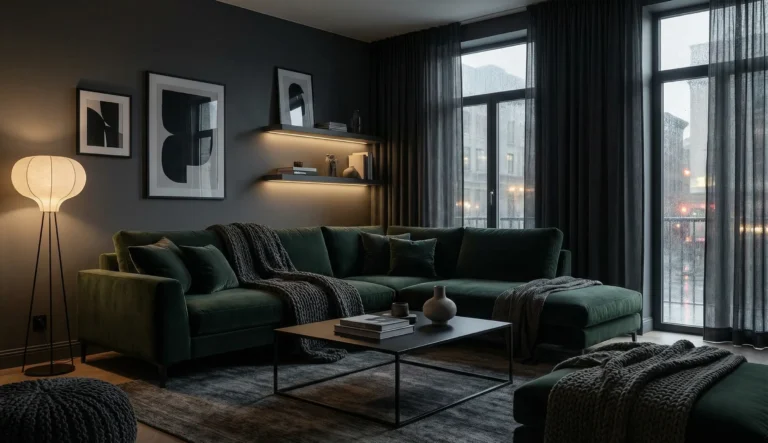
- Use a darker, cozier tone behind the sofa and keep the kitchen walls lighter
- Choose one main color palette for the living room textiles and a slightly different palette for the dining zone
You can also play with paint shapes, like:
- A painted rectangle behind the TV or sofa that frames the living zone
- A half-painted wall (color on the bottom half, white on top) only in the living area
- A tone-on-tone effect where you use a deeper shade in the living space
Ever notice how a dark wall pulls the focus? You can use that trick to pull attention toward the living area and away from, say, the drying rack.
Key tip:
Keep some elements consistent (like flooring and trim) across all zones. That consistency holds the open-plan space together while the colors define the separate functions.
How to Choose the Right Living Room Separator for Your Space
You don’t need to use all eight ideas at once. Unless you enjoy visual chaos, in which case… bold move.
Use these quick questions to narrow your options:
- Need storage?
Go for open shelving or a console behind the sofa. - Want max light and a cleaner look?
Choose glass partitions, slatted wood, or color zoning. - Love plants and a softer vibe?
Build a green divider with tall plants. - Rent or want zero construction?
Try curtains, rugs + sofa layout, and lighting zones. - Need occasional but not constant separation?
Use curtains or sliding glass panels.
Mix two or three strategies and you often get the best result. For example, you can:
- Use a sofa + rug to define the living room
- Add open shelving behind the sofa
- Layer in lighting and color zoning to sharpen the effect
That combo keeps everything cohesive but clearly separated.
Final Thoughts: Your Open-Plan Space, Your Rules
Open-plan living can feel amazing or overwhelming, and the difference often comes down to how you separate the living room from everything else.
You now have 8 creative living room separator ideas for open-plan spaces:
- Sofa + rug zone
- Open shelving divider
- Plant “wall”
- Glass or Crittall-style partitions
- Slatted wood screens
- Curtain dividers
- Lighting zones
- Color and paint tricks
Pick the ideas that fit your lifestyle, budget, and style, then test them. Move the sofa, roll out a rug, add a shelf, or hang a curtain track. You don’t need a full remodel; you just need smarter boundaries.