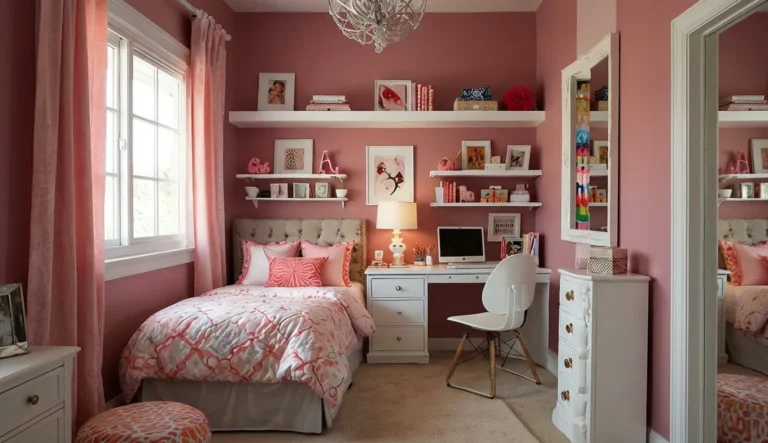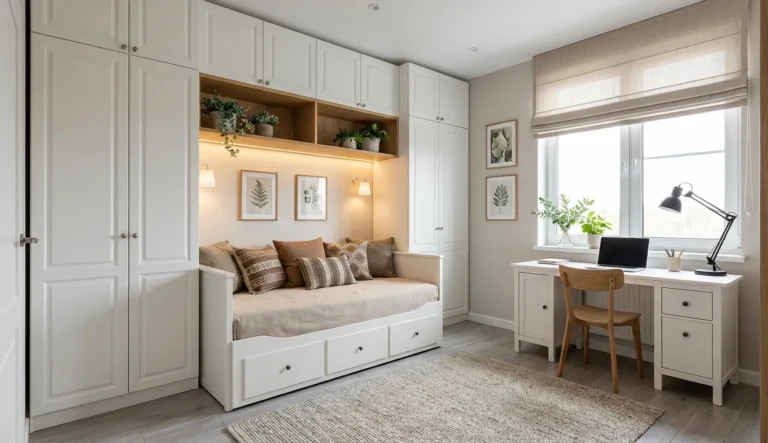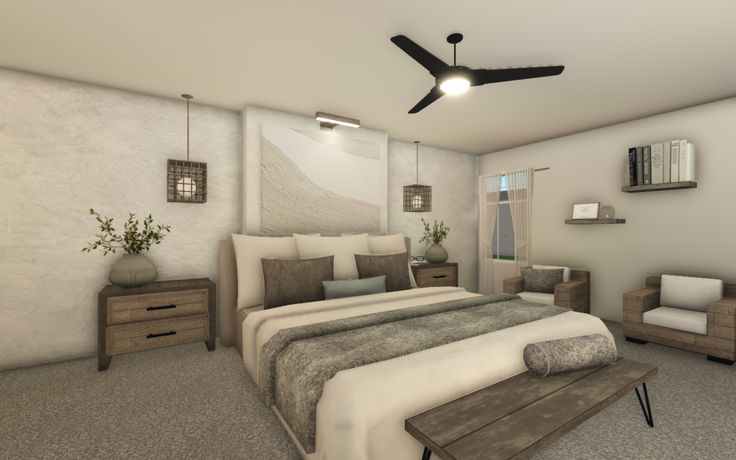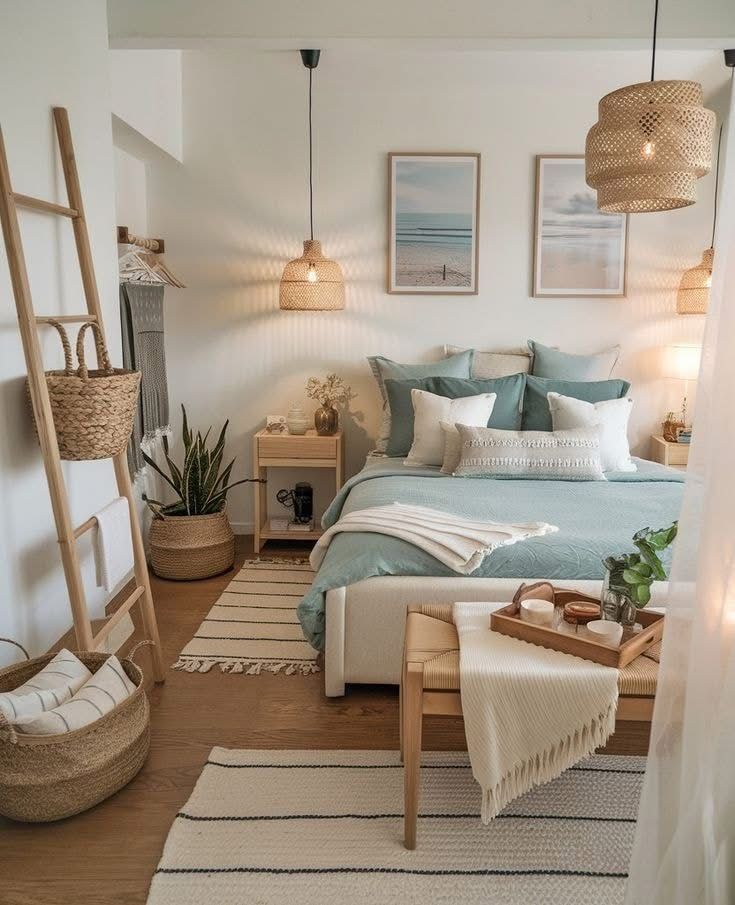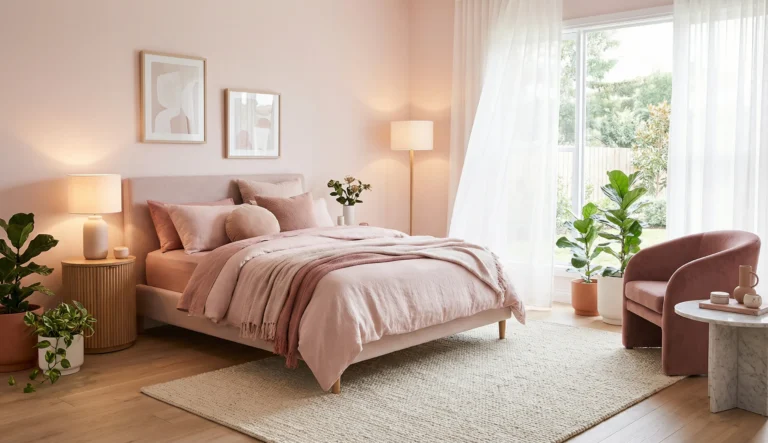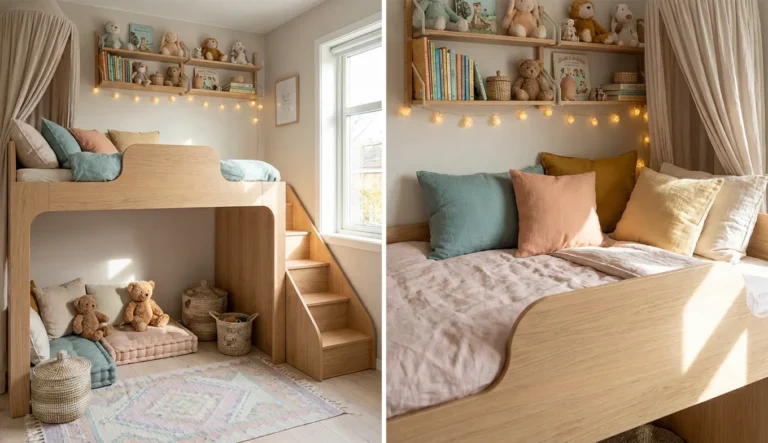
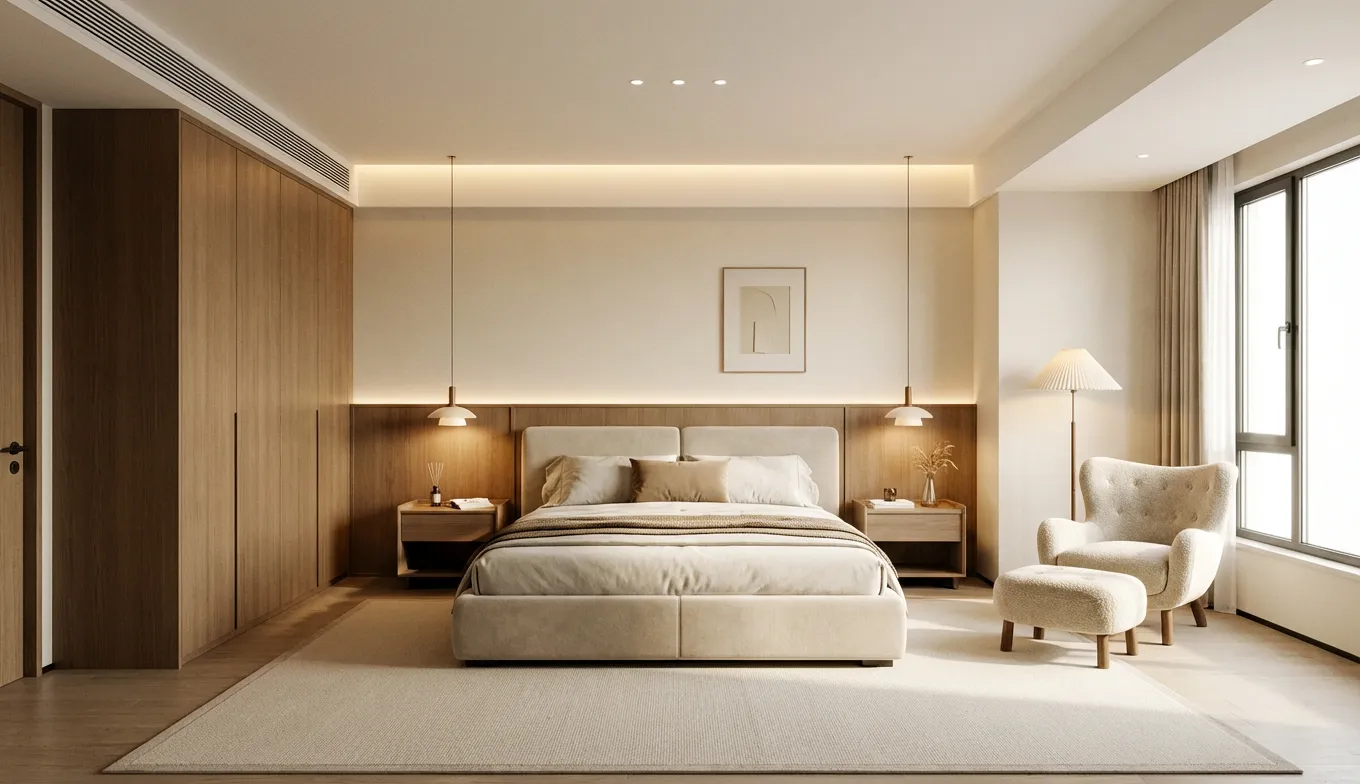
8 Bedroom Layout Ideas for Small, Big, and King-Size Rooms

You stare at your bedroom and your brain just… logs off, right?
You drag the bed around three times, nothing feels right, and suddenly the whole room screams chaos.
I get it. I obsessed over bedroom layout ideas for years and still shoved my bed under a random window once because I got tired. That layout lasted three days.
So let’s fix your room properly this time.
We’ll walk through 8 bedroom layout ideas that work for small rooms, big rooms, and king-size setups, and I’ll keep everything practical, honest, and actually doable. Sound good? 🙂
1. The Classic Centered Bed Layout (The “You Can’t Go Wrong” Option)
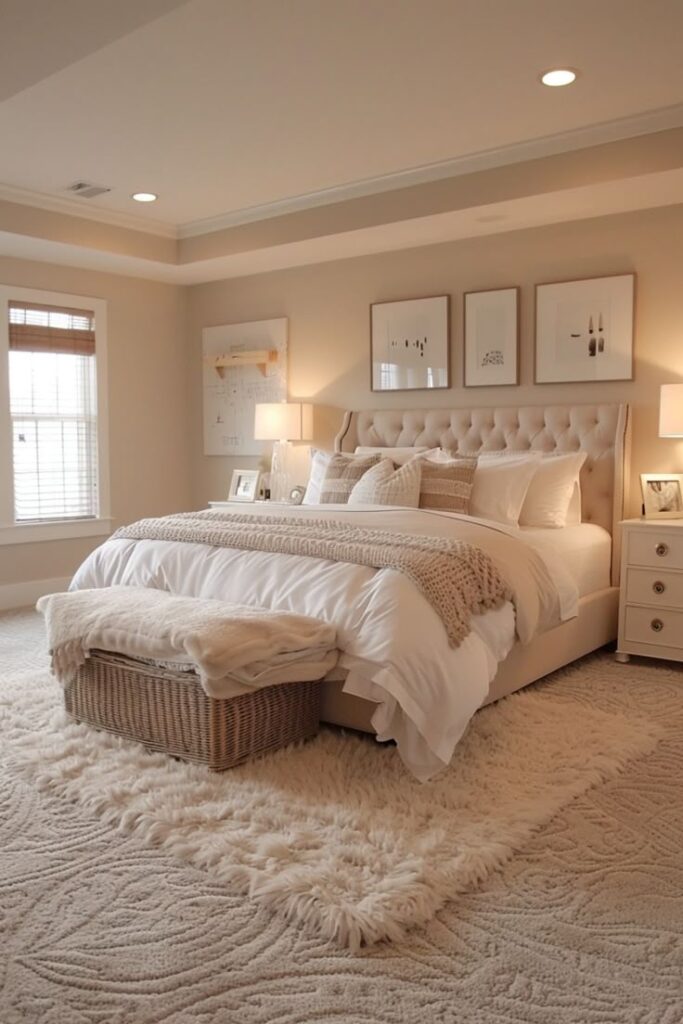
When in doubt, start here.
You place the bed on the main wall, centered, with nightstands on both sides. You leave walking space around the bed. You keep everything clean and balanced.
When this layout makes sense
You win with this layout if:
- You own a medium or large room.
- You sleep with a partner and both of you want easy access.
- You love a symmetrical, hotel-like look.
You know that wall your eyes land on first when you walk in? That wall usually deserves the bed.
Key tips for the classic centered layout
- Leave at least 24–30 inches of space on each side of the bed.
- Use matching nightstands and lamps for a calm, balanced vibe.
- Drop a rug under the bed that extends beyond the sides and foot.
It frames the bed and anchors the whole layout.
How it works with king-size beds
For a king-size bedroom layout, this classic setup shines.
You:
- Center the king bed on the longest wall.
- Use wider nightstands so the bed doesn’t dwarf them.
- Keep enough space at the foot of the bed for a bench or storage trunk.
Ever walk into a room and feel like something just “clicks”? This layout creates that feeling.
2. The Small Bedroom “One-Wall” Layout
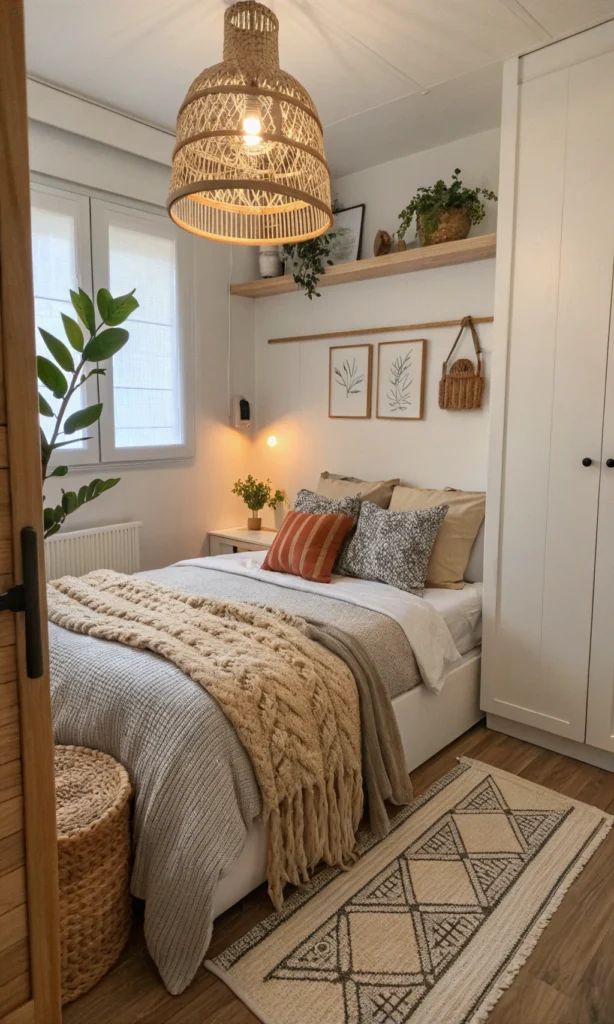
Tiny room? Relax. You still control the layout; the room just negotiates harder.
In the one-wall layout, the bed, nightstand, and maybe wardrobe all line up along one long wall. You free up the opposite side for movement.
Why this layout saves small rooms
This layout saves you when:
- Your room feels narrow.
- A centered bed eats all your floor space.
- You want room for a desk, dresser, or door clearance.
You place the bed along the longest wall and push it slightly off-center. You tuck a single nightstand or skinny table on one side.
Tricks to make it look intentional, not desperate
- Use wall-mounted shelves instead of bulky nightstands.
- Hang sconces or wall lamps so you free up surface space.
- Pick a low-profile bed so the room feels taller.
You create a clear walkway instead of a zigzag obstacle course around furniture. Your shins will thank you.
3. The Corner Bed Layout (For Tough, Awkward, or “What Is This?” Rooms)
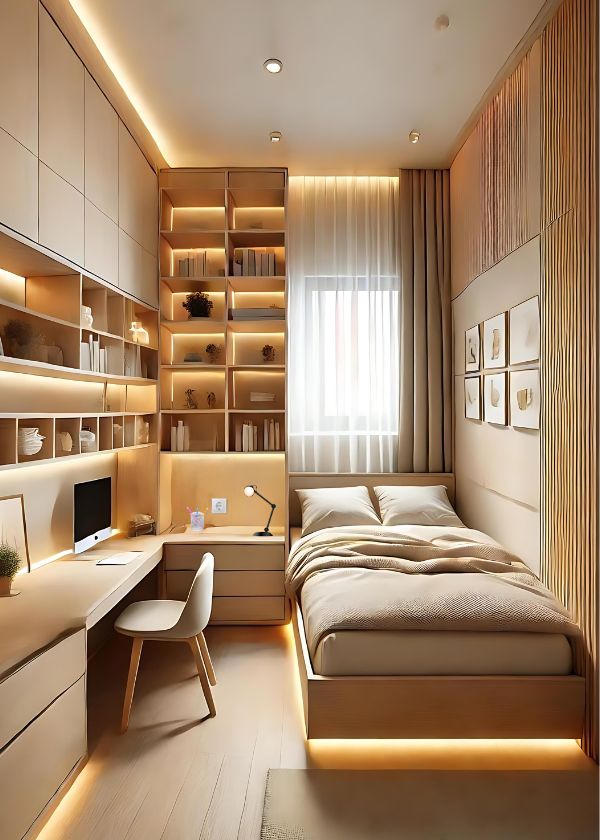
Sometimes the room shape laughs at your plans. Doors swing badly, windows sit in annoying spots, and you run out of patience.
For these rooms, the corner bed layout steps in.
You push the bed into a corner with the head and one side against walls. You free up more open floor in the center.
When the corner layout works best
This idea fits when:
- You work with a very small bedroom.
- You only sleep on one side of the bed.
- You want more open play space (for kids’ rooms especially).
You create one cozy nook for sleeping and one clear zone for everything else.
How to keep it stylish, not “dorm room”
- Add a big headboard or use two pillows along the wall to fake a daybed look.
- Run art or shelves above the bed so the corner feels deliberate.
- Use a round bedside table to soften all the right angles.
Ever notice how corner beds instantly feel snug and cozy? Your room turns from “boxy and cramped” into “small but intentional”.
4. The Zoned Layout for Large or Multi-Use Bedrooms
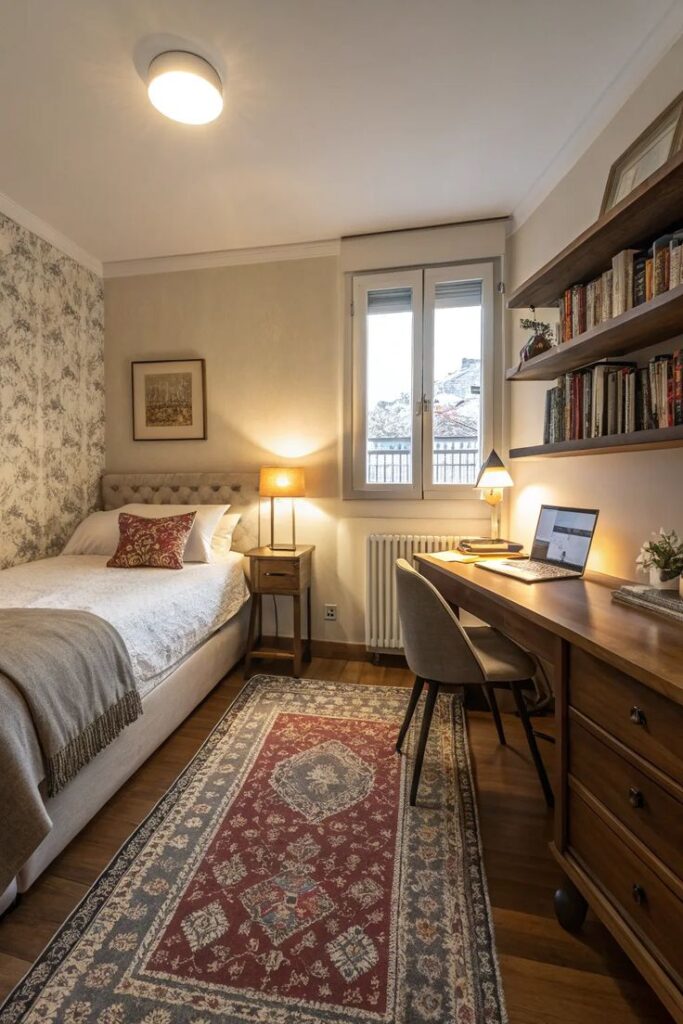
If your bedroom pulls double duty as a home office, reading nook, or mini living room, you need zones, not chaos.
In a zoned layout, you treat your bedroom like a tiny studio. You divide the room into sleeping, working, and lounging areas without clutter.
How to create zones that actually work
You:
- Place the bed on the main wall as your anchor.
- Use a rug under the bed to define the sleep area.
- Add a desk in a corner or near a window for natural light.
- Drop a chair and small table on the opposite side to create a reading spot.
You separate the areas visually, so your brain doesn’t see a bed, laptop, and laundry basket in the same line of sight and just give up.
Layout tricks for big bedrooms
When you own a big bedroom, the bed sometimes floats in a weird ocean of emptiness.
To fix that:
- Use 2–3 rugs to break up the room:
- One under the bed
- One under the seating area
- One under the desk (if you use one)
- Group furniture tightly instead of hugging walls.
- Use screens, bookcases, or a low console behind the bed to create gentle visual dividers.
Ever sit in a massive bedroom that somehow feels cold and empty? Zoning solves that fast.
5. The Hotel-Suite Layout for King-Size Rooms
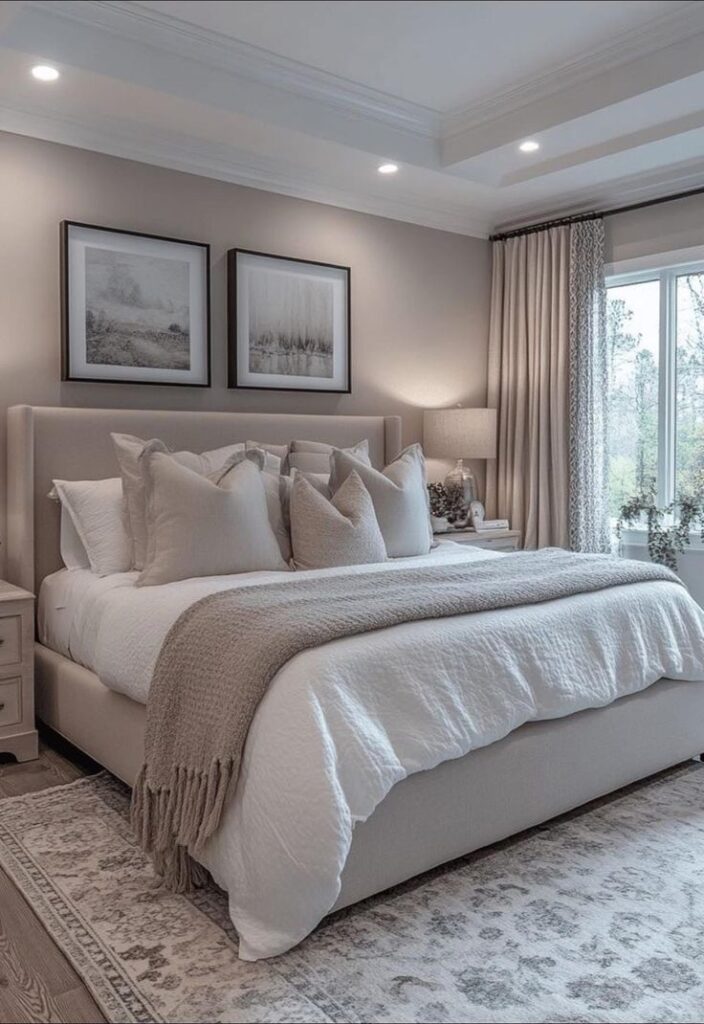
You know that moment when you walk into a hotel room and everything feels thought-out? You can steal that strategy at home.
In a hotel-style king bedroom layout, the bed doesn’t just hug a wall. The whole room orbits around it.
The basic setup
For this one, you:
- Center the king bed on the main wall.
- Place a bench or upholstered ottoman at the foot.
- Create a seating zone with two chairs and a small table or a loveseat.
- Add a console or dresser opposite the bed (often with a TV).
You turn the room into more than a place where you crash and scroll in the dark.
Details that complete the hotel feel
- Use matching lamps and nightstands for symmetry.
- Bring in layered lighting: overhead, bedside, and maybe a floor lamp near the seating area.
- Choose a big rug that covers both the bed and the seating area to link the zones.
IMO, nothing beats this layout for a master bedroom with enough square footage. It feels intentional, luxurious, and insanely comfortable.
6. The Feature Wall Layout (Perfect for Big or King Bedrooms)
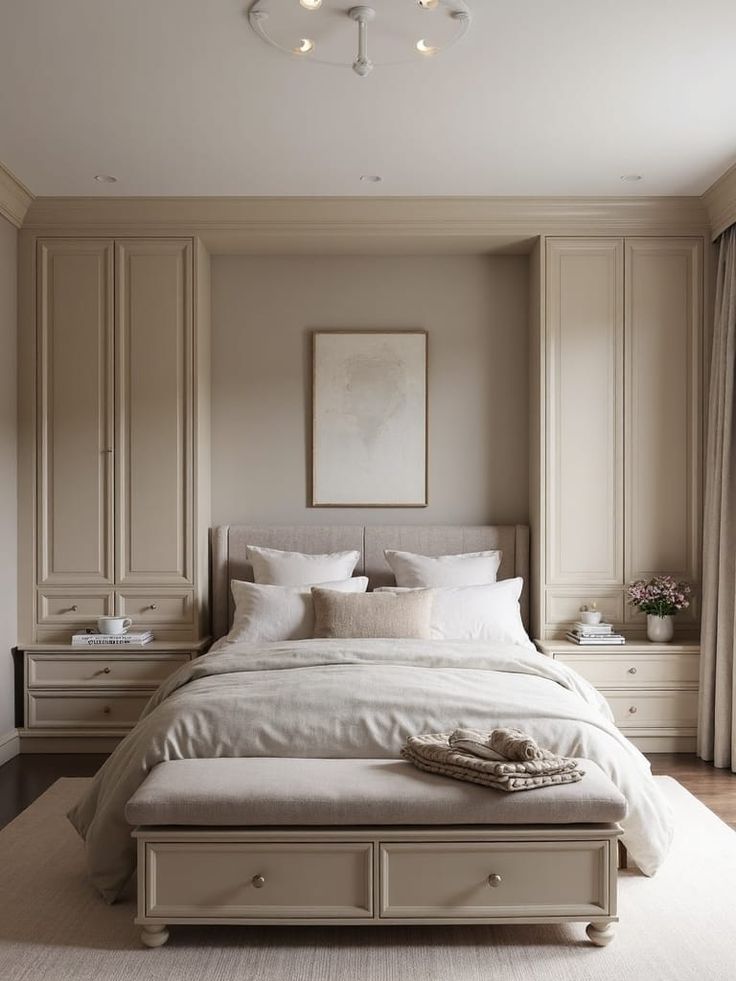
If you love décor and you want the whole room to gasp a little, you create a feature wall behind the bed.
You treat that wall as the star: paint, wallpaper, wood slats, or a gallery wall. Then you center the bed and build the layout around that focal point.
Why a feature wall changes everything
You:
- Give the eye a clear focal point.
- Make even a simple bed look stylish.
- Tie the whole color scheme together.
This layout works especially well with a king-size bed, because the large headboard and wide frame complement the drama of a big wall.
How to build the layout around the wall
- Choose the largest, least interrupted wall (no doors or huge windows).
- Center the bed and keep at least two feet of space on each side.
- Use tall nightstands or wall lights to draw the eye up.
- Echo the feature wall colors in your bedding, rug, and curtains.
FYI, if your room feels flat and boring, a feature wall plus a centered bed often fixes that in one weekend.
7. The Storage-Lover’s Layout (For People With Too Many Clothes and Zero Regrets)
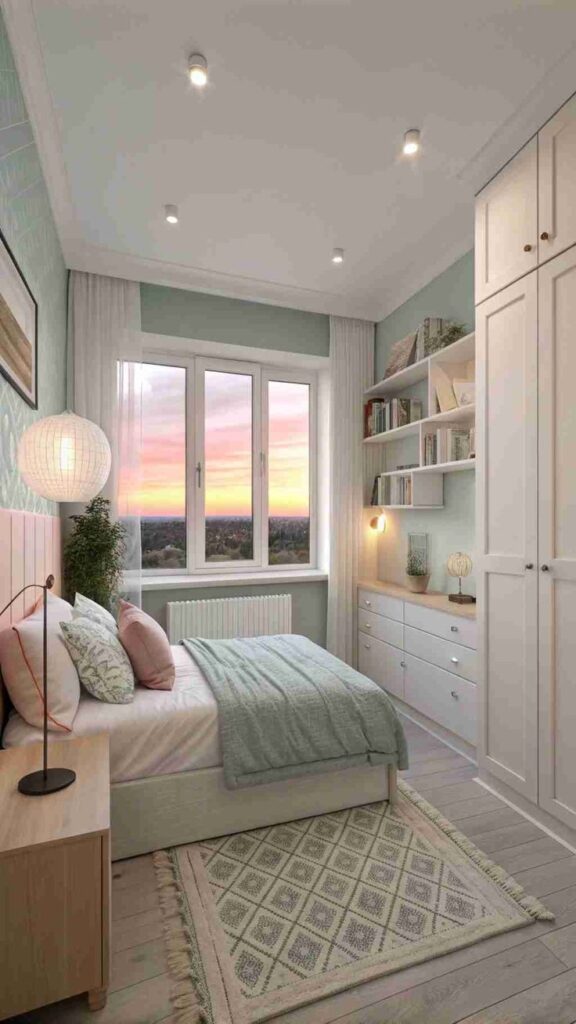
If your wardrobe grows like a plant on fertilizer, you pick a bedroom layout that feeds your storage habit.
In a storage-focused layout, you don’t just toss a dresser in a corner. You design the room so every major wall earns its keep.
Where the bed goes in a storage-heavy layout
Usually, you:
- Place the bed on the shorter wall.
- Keep the longer wall for wardrobes, dressers, or built-ins.
- Use a storage bench or trunk at the foot of the bed.
You allow your clothes, shoes, and random “I might wear that again” pieces to live in peace.
Storage tricks that still look good
- Use tall wardrobes that reach the ceiling to avoid dust shelves.
- Add under-bed drawers or roll-out bins.
- Mount hooks or peg rails behind the door for bags and hats.
- Choose closed storage for most stuff and one open shelf for nice decor.
You keep the room from turning into a clothing explosion while still honoring your love of options. You know you own at least five black T-shirts that “feel different”. I won’t judge. 🙂
8. The Minimalist Calm Layout (For Clean, Breathable Spaces)
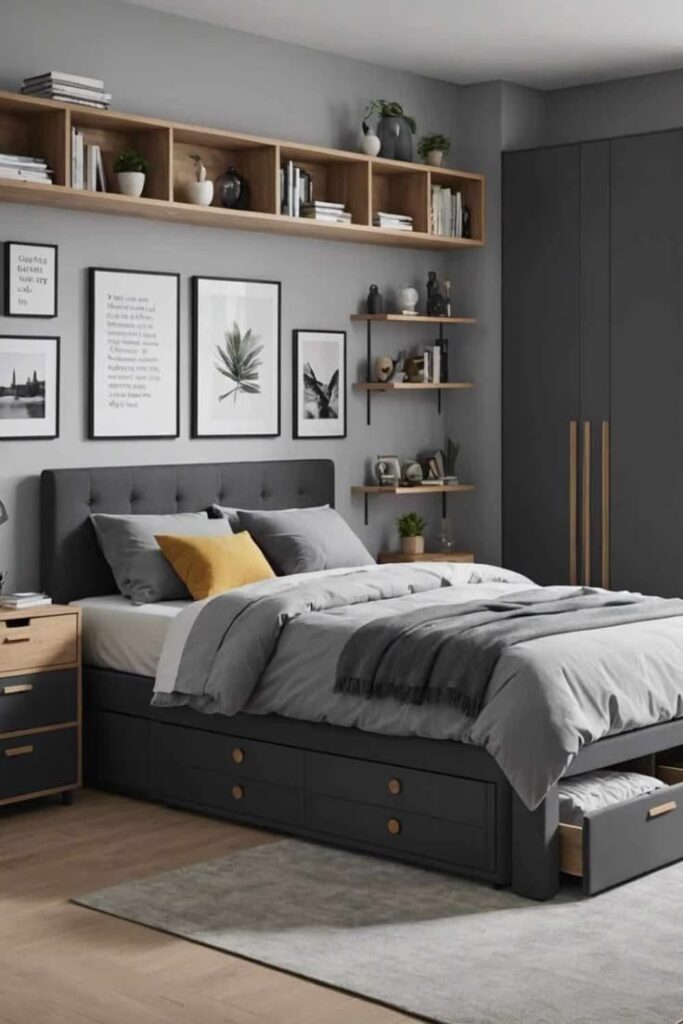
Maybe clutter stresses you out. Maybe you want your bedroom to feel like a quiet retreat, not a storage unit with a blanket on it.
With a minimalist layout, you only keep what you truly need and you place everything with intention.
The core minimalist bedroom layout
You normally:
- Put the bed on the main wall, centered or nearly centered.
- Use simple, slim nightstands.
- Keep only one dresser or wardrobe.
- Limit decor to one or two strong pieces: a big art print, a plant, or a statement lamp.
You create strong sight lines from the door. You avoid blocking windows or crowding corners.
How to keep minimalism from feeling sterile
Minimal doesn’t mean cold.
You warm the room up with:
- Texture: linen bedding, a wool rug, a woven basket.
- Soft lighting instead of just overhead lights.
- One accent color that repeats in pillows, art, or a throw.
You cut clutter, but you keep personality. Your brain walks in, exhales, and actually relaxes.
How to Choose the Right Layout for Your Room
Now you know eight different bedroom layout ideas. Which one actually fits your room and your life?
Ask yourself a few quick questions:
- How big is the room?
Small room? Try the one-wall layout or corner bed.
Big room? Try the hotel-suite or zoned layout. - Do you own a king-size bed?
Look at the classic centered, feature wall, or hotel-style layouts. - What’s your priority?
- Maximum storage → storage-lover’s layout
- Calm vibes → minimalist layout
- Multi-use space → zoned layout
- Where do the doors and windows sit?
Avoid blocking doors or major windows with the bed.
Work with the architecture instead of fighting it every morning.
You can grab a notebook (or a random envelope, I won’t tell) and sketch 2–3 of these layouts. You test the walking paths, think about where the light falls, and imagine where you drop your phone at night.
Final Thoughts: Your Bed Deserves Better Than “Random Wall”
Your bedroom layout affects how you sleep, move, and feel every single day.
You don’t need fancy furniture or a giant room. You just need a layout that respects:
- Your room size
- Your bed size
- Your habits and priorities
So you:
- Try the classic centered layout if you want something safe and timeless.
- Use the one-wall or corner bed options if your room feels tiny.
- Go for the hotel-suite or feature wall layouts if you own space and a king bed.
- Lean on the storage-lover’s or minimalist layouts depending on your personality.
Rearrange once, live happier every day. That trade feels pretty good, right?
If you feel stuck between two layouts, start with the simpler one, move a few key pieces, and live with it for a week. Your body and your brain will tell you fast whether the layout works.