
12 Bedroom Paint and Color Ideas That Totally Transform the Room

You stare at your bedroom walls every night, so they might as well treat you right, yeah?
The right bedroom paint color turns a basic box into a cozy retreat, a moody cocoon, or a legit boutique hotel room.
The wrong color just reminds you that you still need to fold the laundry.
I obsessed over bedroom color ideas for years. I tested swatches, repainted walls, and made at least one room look like a baby store exploded.
So I collected 12 bedroom paint and color ideas that actually transform a room, not just “look nice on Pinterest.”
Ready to make your bedroom feel completely new without buying all new furniture? Let’s talk paint.
1. Soft White That Feels Fresh, Not Rental-Bland
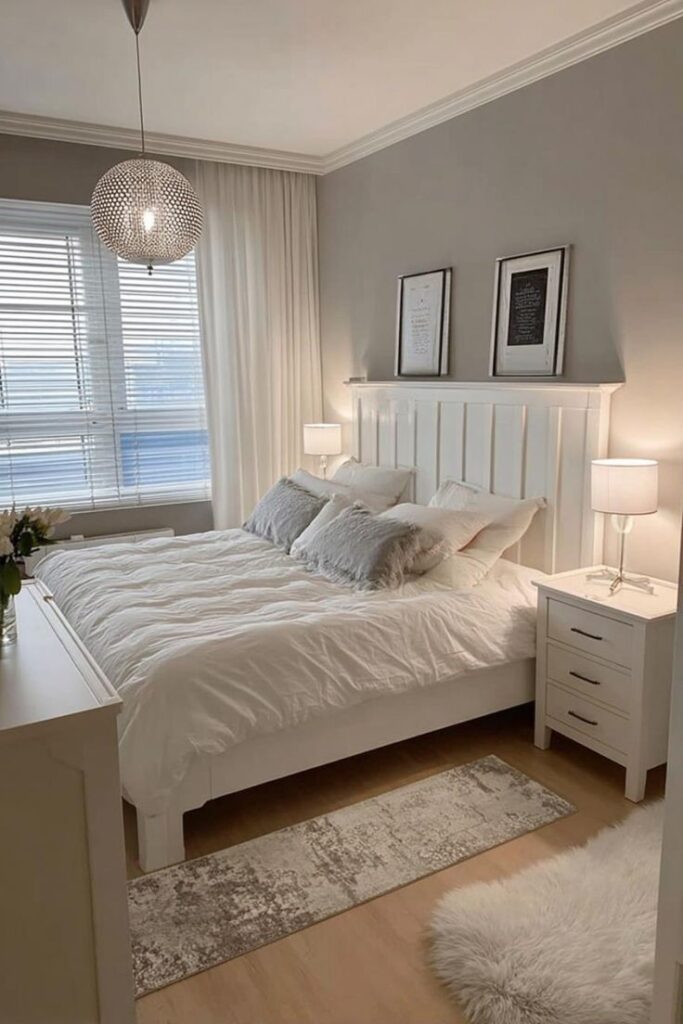
White sounds boring, right?
Yet the right soft white turns a bedroom into bright, calm magic.
You avoid harsh, cold “printer paper” white.
You choose a warm or creamy white that flatters your skin and softens shadows.
Think subtle warmth, not yellowed apartment walls from 1997.
Why a soft white bedroom works:
- It makes small bedrooms look bigger and airier.
- It gives you a clean backdrop for bold bedding, art, or rugs.
- It fits literally every style: modern, boho, minimal, traditional.
You add interest with texture: linen bedding, a chunky knit throw, woven lampshades.
That way your white bedroom feels intentional, not like you ran out of ideas.
Ever notice how boutique hotels love white walls?
They basically scam your brain into feeling rested and “on vacation.” You can steal that move.
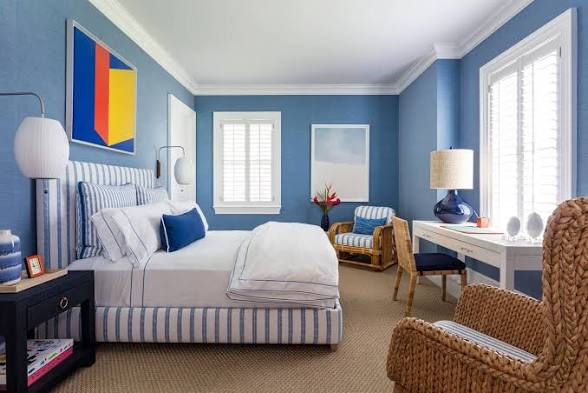
2. Deep Navy for a Moody, Cocoon Vibe
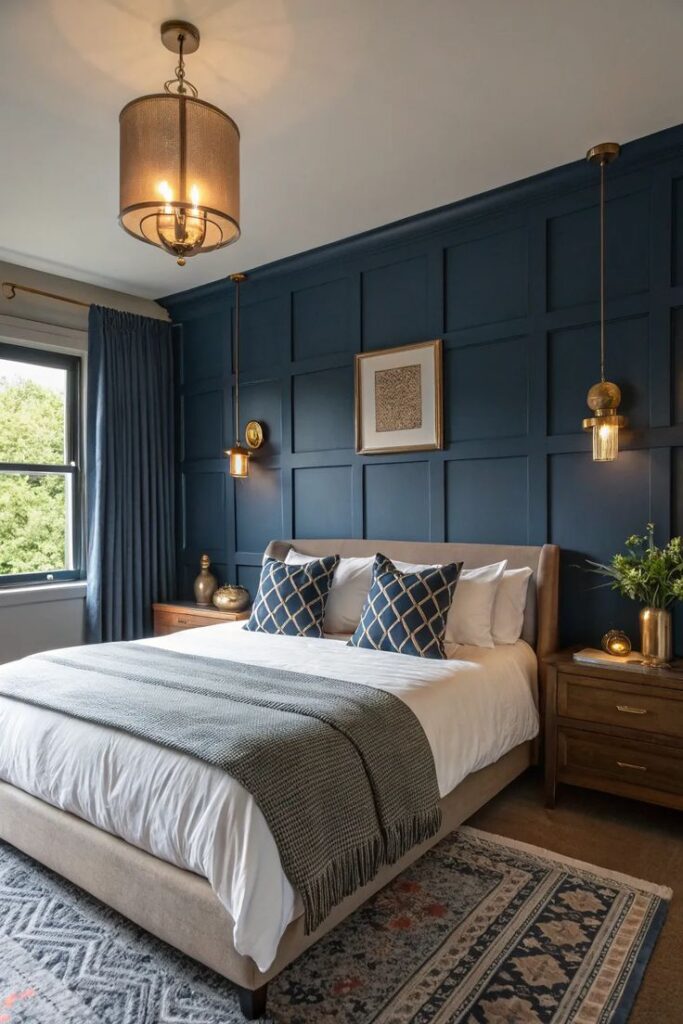
Now let’s go in the opposite direction.
Deep navy turns a plain bedroom into a cozy, dramatic cave—in a good way.
I once painted a tiny bedroom navy and expected a disaster.
Instead, the room felt calm, intimate, and way more expensive.
My friends walked in and said, “Oh, okay, luxury.”
Why deep navy transforms a bedroom:
- It adds instant drama without screaming for attention like bright red.
- It makes lighter bedding, art, and wood furniture pop.
- It creates a cozy, night-friendly space that feels perfect for sleep.
You can use navy in a few ways:
- All four walls for full-on cozy vibes.
- One navy accent wall behind the bed for a focal point.
- Navy ceiling with lighter walls for a surprise “night sky” feel.
You pair navy with soft whites, brass, and warm wood for balance.
That combo keeps the room from feeling like a submarine.
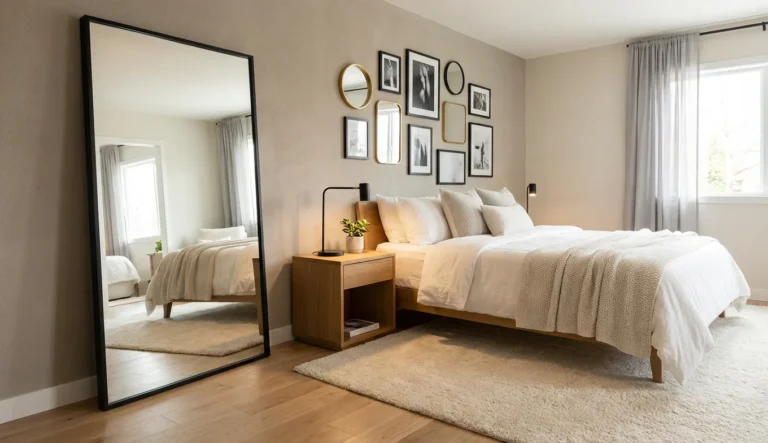
3. Calm Greige for a Grown-Up, Effortless Look

Greige (gray + beige) sounds weird, but it solves so many bedroom color problems.
You get the modern feel of gray with the warmth of beige.
If you want a neutral bedroom that still feels rich and cozy, greige deserves a serious look.
FYI, real estate agents drool over this color family for a reason.
Why greige works in bedrooms:
- It plays well with both warm and cool accents.
- It hides dust and scuffs better than pure white.
- It creates a soft, calm background for layered textures.
You can style a greige bedroom with:
- Black accents for a modern, graphic look.
- Warm leather and wood for a cozy, organic feel.
- Muted blues or greens for a subtle, spa-like palette.
Greige basically says, “I have my life together,” even if the laundry basket disagrees.
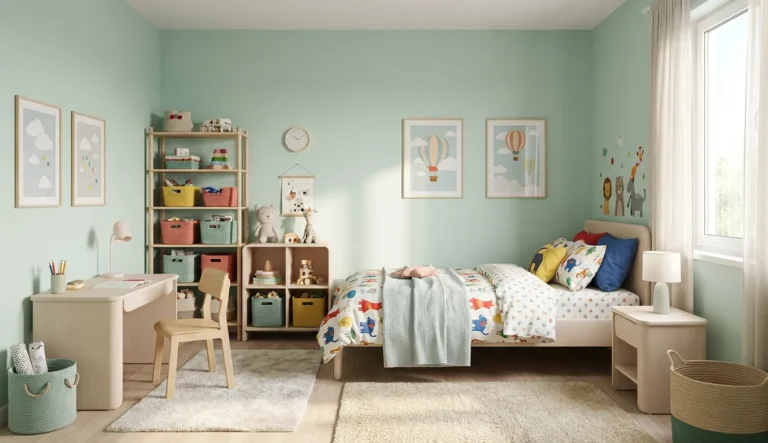
4. Sage Green for a Soft, Nature-Inspired Retreat
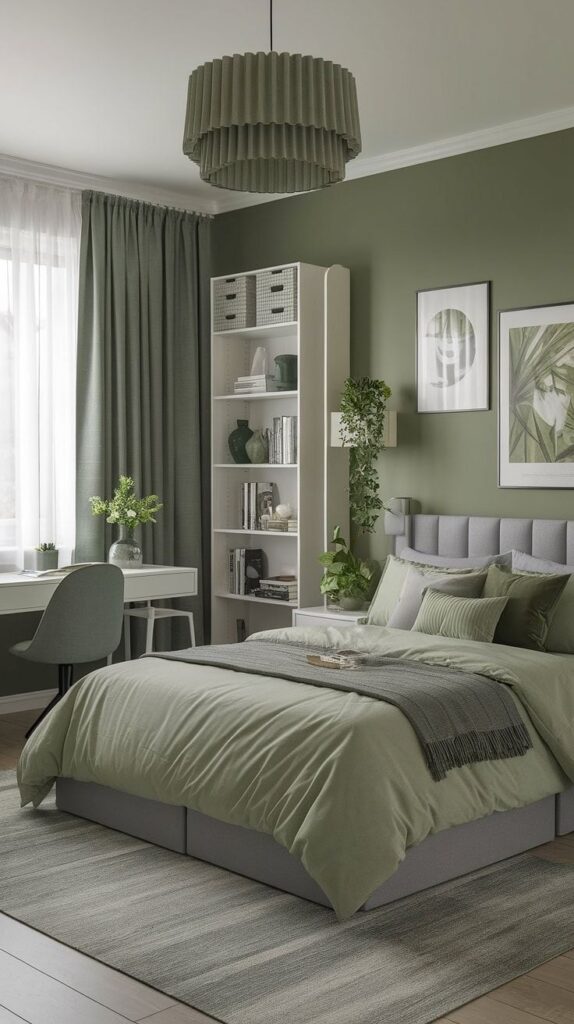
Sage green sits in the sweet spot between color and neutral.
You get gentle color, but you keep the calm, easy feel of a neutral.
Ever walk into a spa and feel your shoulders drop an inch?
Sage green gives your bedroom that same relaxed energy.
Why sage green transforms the room:
- It brings in a nature vibe without heavy forest green intensity.
- It looks amazing with wood, rattan, plants, and linen.
- It flatters almost every light level, from bright to low.
You style sage with:
- Crisp white bedding for a fresh, airy feel.
- Terracotta or tan for a soft earthy palette.
- Matte black hardware for contrast and structure.
If you want a calming bedroom color that still has personality, sage green hits the target.
5. Warm Beige and Caramel for Cozy Hotel Energy
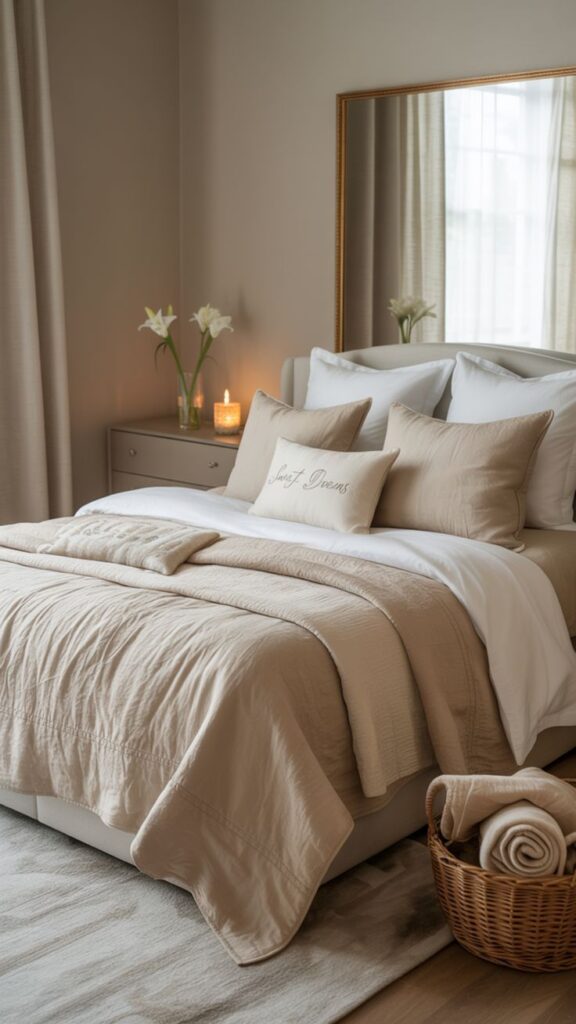
You probably remember sad beige from old offices.
I mean real warm, rich beige and caramel tones that feel like a luxury hotel.
These colors wrap the room in softness.
They make your space feel warm even when the weather tries to ruin your mood.
Why warm neutrals totally upgrade a bedroom:
- They create a super cozy, inviting atmosphere.
- They flatter wood furniture and woven textures.
- They play nicely with both black and white accents
Try this combo:
- Walls: soft beige or light caramel.
- Bedding: creamy white with layered throw blankets.
- Accents: black lamps, brass hardware, tan leather.
Your bedroom starts to feel like a place where room service might show up.
Spoiler: it won’t, but the vibes help. 🙂
6. Charcoal Gray for a Sleek, Modern Edge
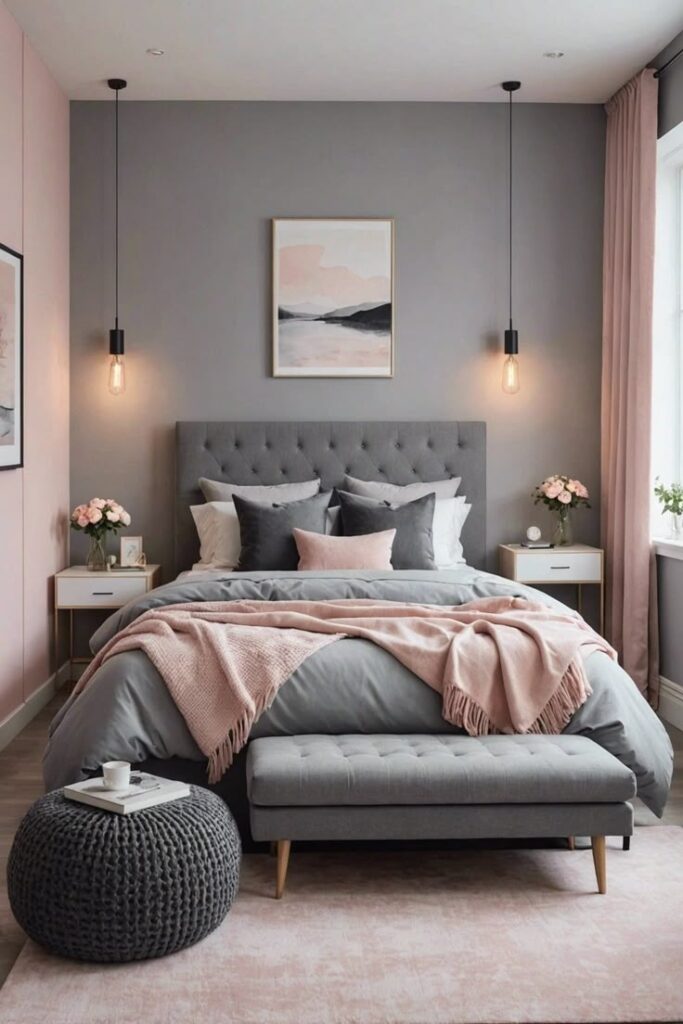
Charcoal gray looks bold, but it still behaves like a neutral.
It gives your bedroom serious modern, high-contrast style.
You can use charcoal on all walls or only behind the bed.
Both options create instant depth.
Why charcoal gray works so well:
- It adds drama without bright color.
- It helps light bedding and art stand out.
- It makes metal accents (brass, chrome, black) look sharper.
You balance charcoal with:
- White or light gray bedding to keep things from feeling heavy.
- Warm wood furniture so the room stays inviting.
- Soft lighting: warm bulbs, layered lamps, maybe a dimmer.
If you love modern bedroom paint ideas, charcoal gives you a statement without chaos.
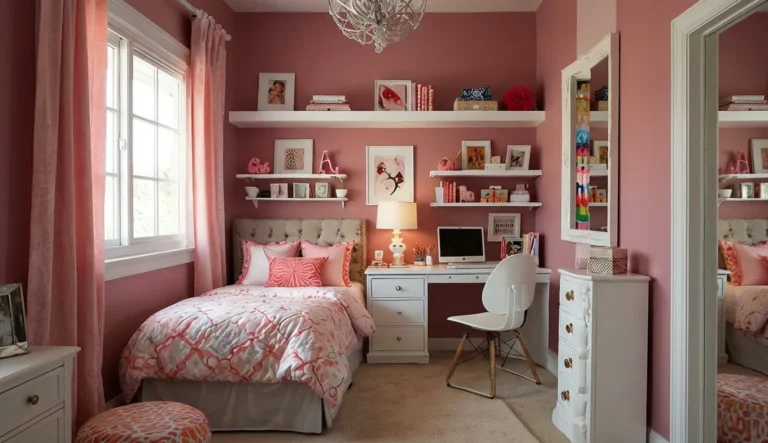
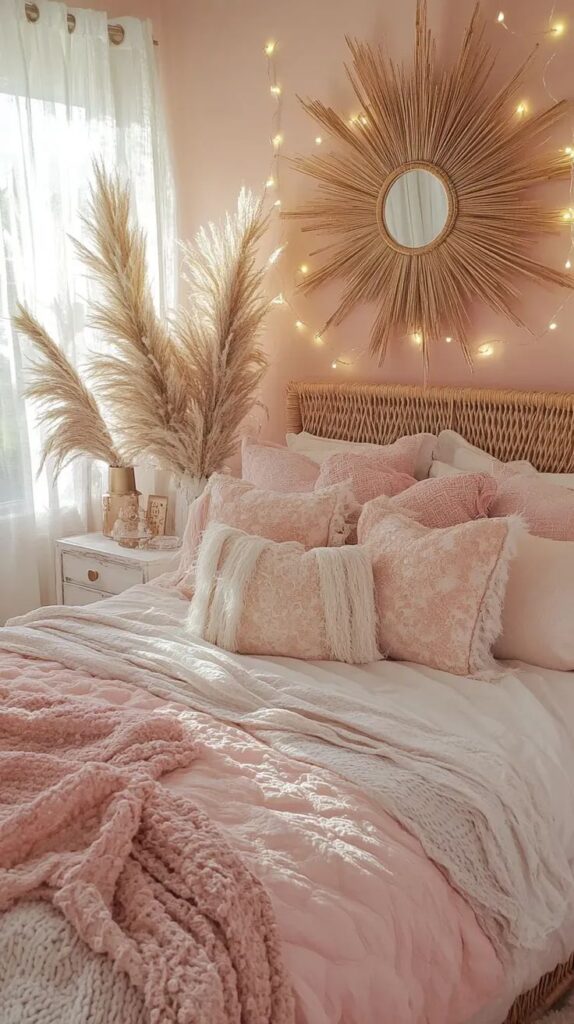
7. Soft Blush for a Warm, Flattering Glow
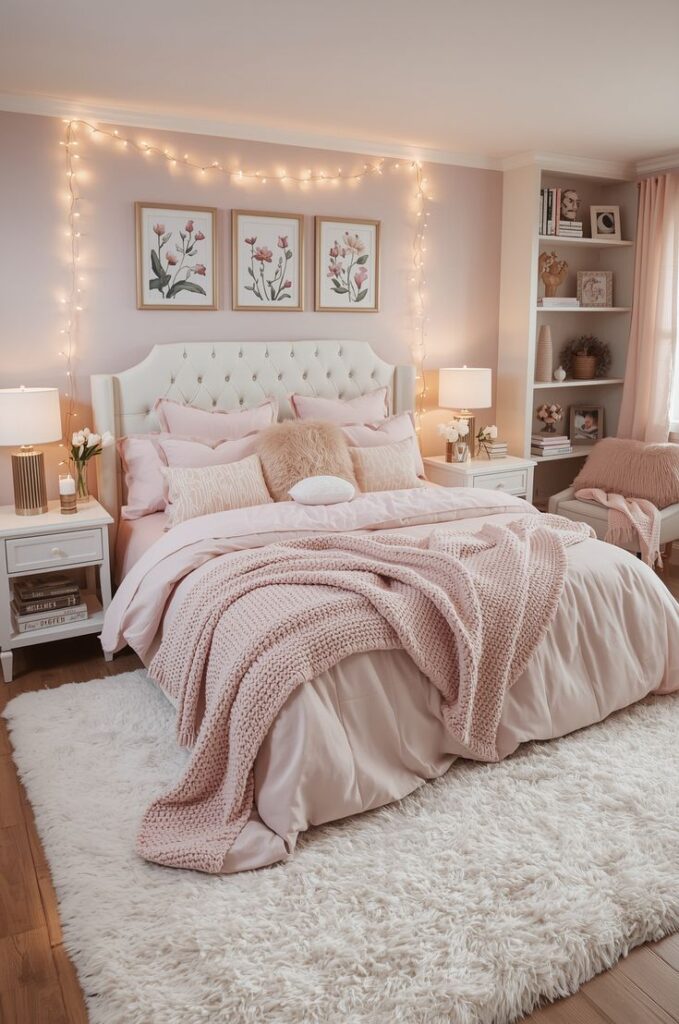
I used to avoid pink in bedrooms because I feared “princess room” energy.
Then I tried a muted, dusty blush, and the room looked soft, warm, and oddly sophisticated.
Blush works as a barely-there color that just warms everything up.
It also flatters skin tones in the mirror, which never hurts.
Why blush can totally transform your bedroom:
- It adds a romantic, cozy warmth without looking childish.
- It complements white, beige, and warm gray beautifully.
- It works in both feminine and neutral designs.
You ground blush with:
- Black frames or lamps so the room feels balanced.
- Natural linen and wood for a soft, organic vibe.
- Deeper accent colors like rust or olive.
If you want color but you fear bright tones, blush offers a gentle first step.
8. Bold Jewel Tones for Serious Personality
Sometimes you want a bedroom that actually feels fun.
Jewel tones like emerald, teal, or deep plum bring big personality.
Do you love rich velvet, bold art, or eclectic style?
Then a jewel-toned wall probably fits you better than another beige situation.
Why jewel tones feel so transformative:
- They turn the bed wall into an instant focal point.
- They give the room a luxe, high-impact mood.
- They turn simple furniture into a statement.
You keep jewel tones from overwhelming the space with:
- Plenty of white or light bedding.
- Simple, clean-lined furniture.
- Metallic accents like brass, gold, or chrome.
IMO, jewel tones work best on one or two walls, not the whole room, especially in small spaces.
9. Two-Tone Walls and Color Blocking

You can get creative without painting murals.
Two-tone walls and color blocking give your bedroom a designer look with simple paint tricks.
For example, you paint the lower half of the wall a darker color and keep the top half light.
That pattern creates the illusion of taller ceilings and adds visual interest.
Why two-tone walls upgrade your bedroom:
- They add depth and structure to plain rooms.
- They let you enjoy bold color in a controlled way.
- They frame your bed and furniture beautifully.
Great color combos:
- White + sage
- Cream + caramel
- Soft gray + navy
You line the color change at bed height or just above so the bed sits nicely inside that visual band.
The wall then behaves like a custom headboard.
10. Black Accent Wall for Maximum Contrast
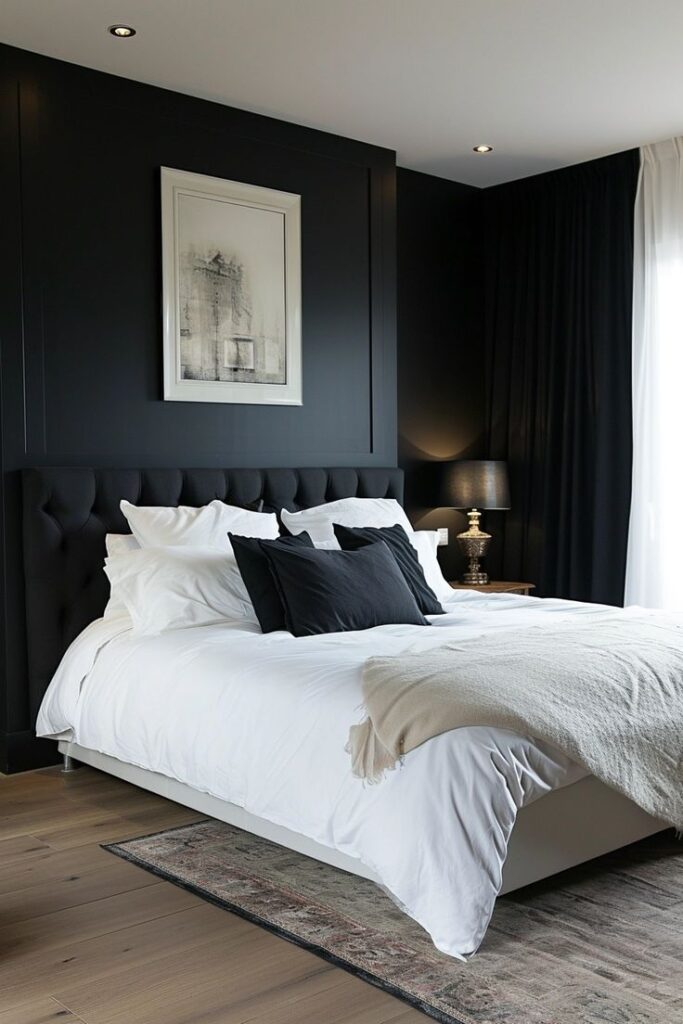
A black accent wall sounds scary on paper, but it often looks insanely good in real life.
It adds edge and drama and makes the bed feel grounded.
You place the black wall behind the bed most of the time.
That spot gives you bold impact while the rest of the room stays lighter.
Why a black wall transforms the room:
- It creates huge contrast with white bedding and light walls.
- It makes a simple bed frame look intentional and stylish.
- It hides marks and imperfections pretty well.
You soften black with:
- Warm wood nightstands.
- Soft, layered white or beige bedding.
- Warm lamps and soft lighting.
If you keep the rest of the palette light and simple, the room feels dramatic, not depressing.
11. Monochrome Layering in One Color Family
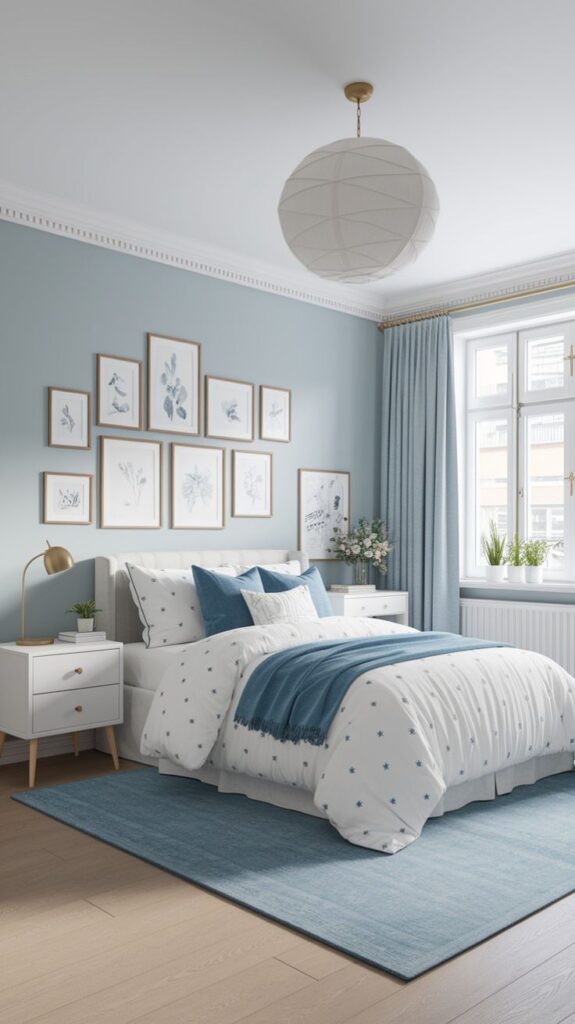
Monochrome sounds fancy, but it just means different shades of one color.
You pick one main color and repeat it in lighter and darker versions.
For example, you use soft gray on the walls, darker gray on textiles, and light gray on the rug.
That approach creates harmony and makes the room look pulled together.
Why monochrome bedroom color schemes work:
- They instantly create cohesion.
- They keep the room calm, even when you layer many textures.
- They make shopping easier because you follow one color family.
You keep the space interesting with:
- Texture: velvet, linen, knits, wood, metal.
- Subtle contrast: white sheets, black lamps, or natural wood.
- Variation in depth: light, medium, and dark tones of the same color.
This strategy works especially well with gray, beige, sage, and navy.
12. Painted Ceilings for a “Designer Secret” Moment

Most people ignore the ceiling.
That choice wastes one entire surface that you can use to transform your bedroom.
You paint the ceiling a deeper or softer shade than the walls and instantly change the mood.
The room can feel cozier, taller, or more interesting, depending on your color choice.
Great bedroom ceiling ideas:
- Soft blush or peach ceiling with white walls for a warm glow.
- Navy ceiling with light walls for a night-sky vibe.
- Slightly darker version of the wall color for a cocoon effect.
You keep the walls light if you go bold on the ceiling.
That balance keeps the room from closing in.
Once you start looking up at a painted ceiling, you never unsee the difference.
How to Choose the Right Bedroom Paint Color (Without Losing Your Mind)
With all these options, your brain probably starts loading the chaos wheel.
You calm that down with a simple plan.
Follow these steps:
- Decide how you want the room to feel.
- Cozy and dark? Think navy, charcoal, or black accents.
- Airy and bright? Look at soft white, greige, or beige.
- Spa-like and natural? Try sage, soft green, or warm neutrals.
2. Check your light.
North-facing rooms lean cool, so you choose warmer tones.
South-facing rooms lean warm, so you choose cooler or balanced tones.
Test big samples.
You paint large swatches on multiple walls.
You check them morning, afternoon, and night.
Your eyes always catch surprises that tiny chips hide.
Match the color to your stuff.
You look at your bedding, rug, and furniture.
You choose a color that complements what you already own, not just what looks cute online.
A quick sanity check helps:
Ask yourself, “Would I still love this color if I saw it every night for a year?”
If you hesitate, you probably need a softer or more neutral version.
Final Thoughts: Your Bedroom, Your Rules
Your bedroom deserves better than “builder beige by default.”
You control the mood with smart bedroom paint ideas and color choices, not with endless décor shopping.
You can go soft white and airy, deep navy and moody, sage and spa-like, or bold with jewel tones.
You can play with accent walls, two-tone designs, and painted ceilings for extra impact.
Most importantly, you pick a color that actually fits how you live and relax.
Your bedroom should greet you with, “You’re home, breathe,” not “You need more stuff.”
So grab a few samples, throw them on the wall, and see what your space actually loves.
Your future, well-rested self will thank you—probably from under a cozy blanket in your newly upgraded room.
![[12 Elegant Grown Woman Bedroom Ideas for a Sophisticated Retreat]](https://evyvehomedecor.com/wp-content/uploads/2026/02/1770542716252-019c3c91-80a6-7bcf-953c-ed373ec246bb-768x443.webp)