10 Small Kids’ and Twin Bedroom Ideas That Save Space

You stare at the kids’ tiny bedroom, look at the two beds, the toys, the clothes, the random glitter slime, and think, “Cool, this room obviously shrinks at night.”
I feel you. I once squeezed two kids, two twin beds, a desk, and a Lego empire into one 8×10 room, and nobody lost a limb. So yes, you can actually save space in a small kids’ or twin bedroom and still keep it cute, cozy, and functional.
Let’s walk through 10 small kids’ and twin bedroom ideas that save space and keep your sanity intact. Sound good? 🙂
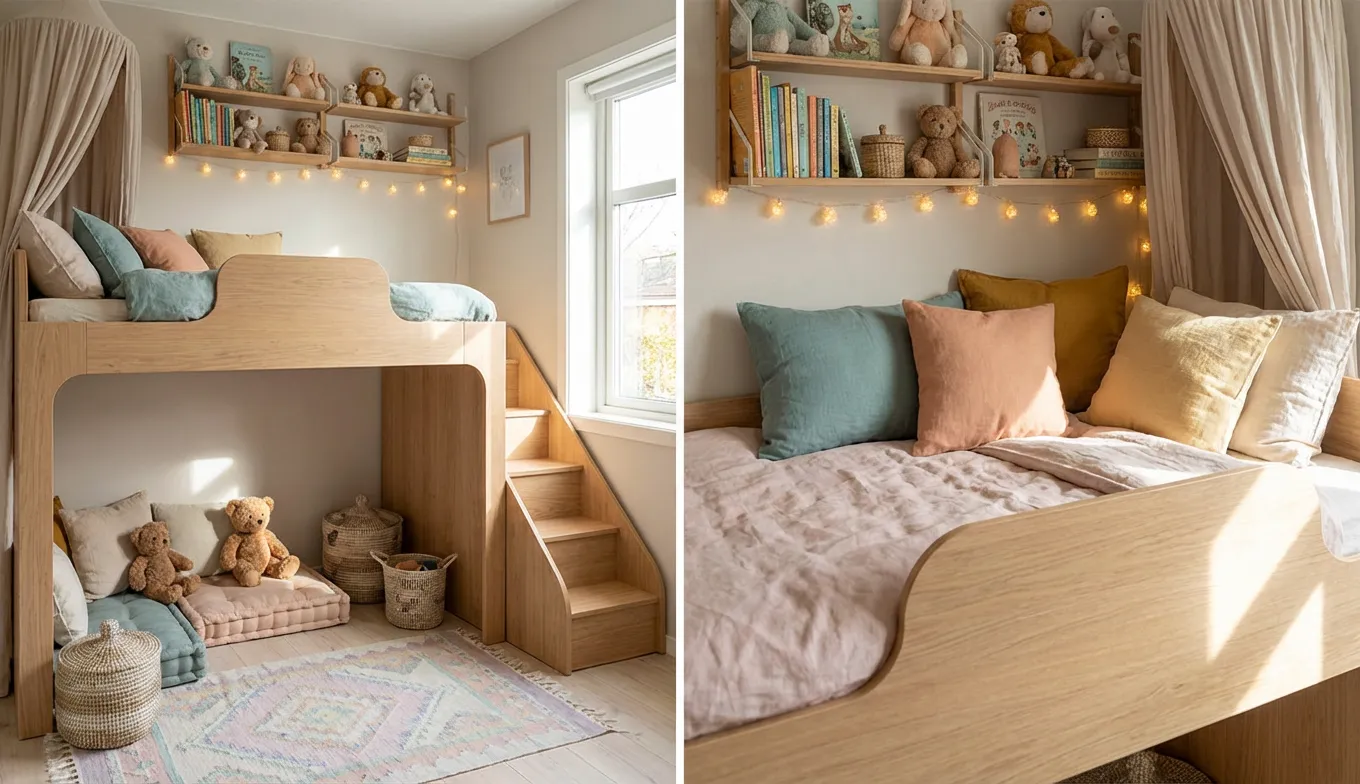
1. Go Vertical With Bunk Beds (But Smarter Ones)
Bunk beds save floor space instantly, but you can level them up and let them work like mini storage units.
Instead of a basic bunk, choose one with:
- Deep drawers under the bottom bunk
- Shelves or cubbies built into the sides
- A staircase with hidden storage instead of a ladder
You free up half the room just by stacking the beds. Then you tuck clothes, toys, and bedding into the built-in storage.
I once swapped two separate twin beds for a storage bunk, and the kids literally rolled on the new empty floor space like they discovered land. You probably enjoy that feeling too, right?
2. Use Loft Beds Over Desks or Play Zones
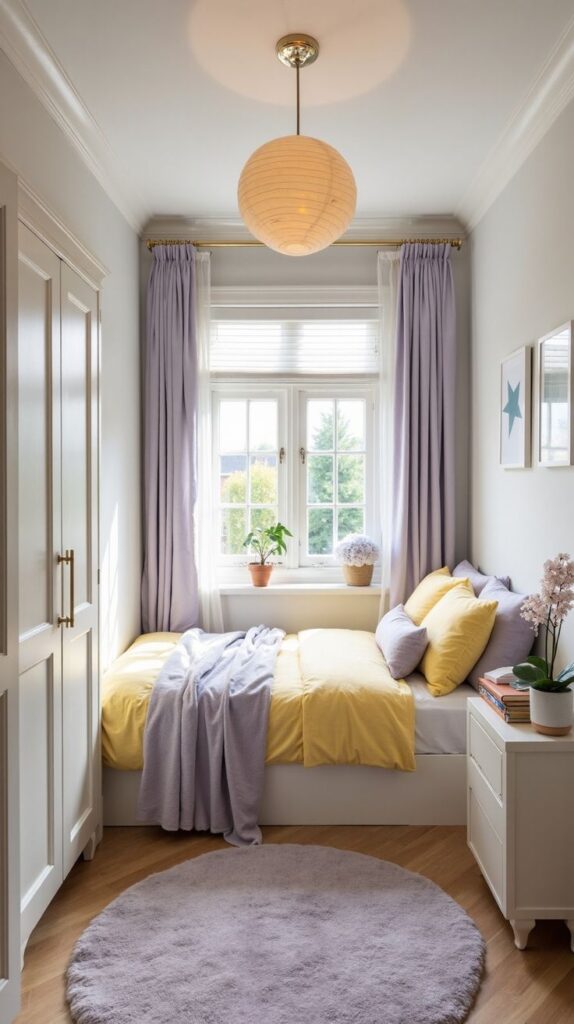
If your kids share a room, or you arrange twin beds in a small space, loft beds feel like cheat codes.
You lift the bed off the floor and create a whole zone underneath:
- Desk area for homework or crafts
- Reading nook with cushions and a lamp
- Toy zone with bins and shelves
Loft beds especially help older kids or tweens. One kid sleeps up top; the floor underneath turns into a “room inside a room.”
You gain sleep + study + play in the footprint of one twin bed. Not bad for a tiny bedroom, right?
3. Slide In a Trundle Bed Instead of Two Twins
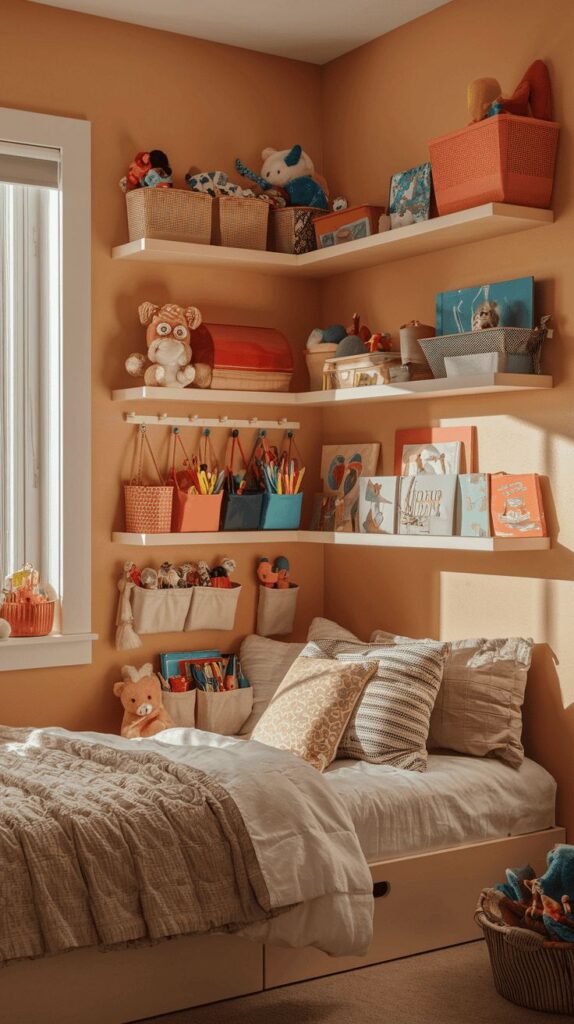
If you feel tired of tripping over two twin beds, trundle setups help a lot.
You use one main twin bed and tuck a trundle bed underneath. At night you pull the trundle out. During the day, you slide it in and reclaim your floor.
A trundle works perfectly when:
- Siblings share a room
- A cousin or friend sleeps over often
- You use a guest room as a playroom too
You create instant flexibility. The room functions as a playroom or study space in the day, then transforms into a full twin bedroom at night. FYI, if your kids fight over who “gets the trundle,” you win either way because they now care about going to bed.
4. Push Twins Into an L-Shape in a Corner
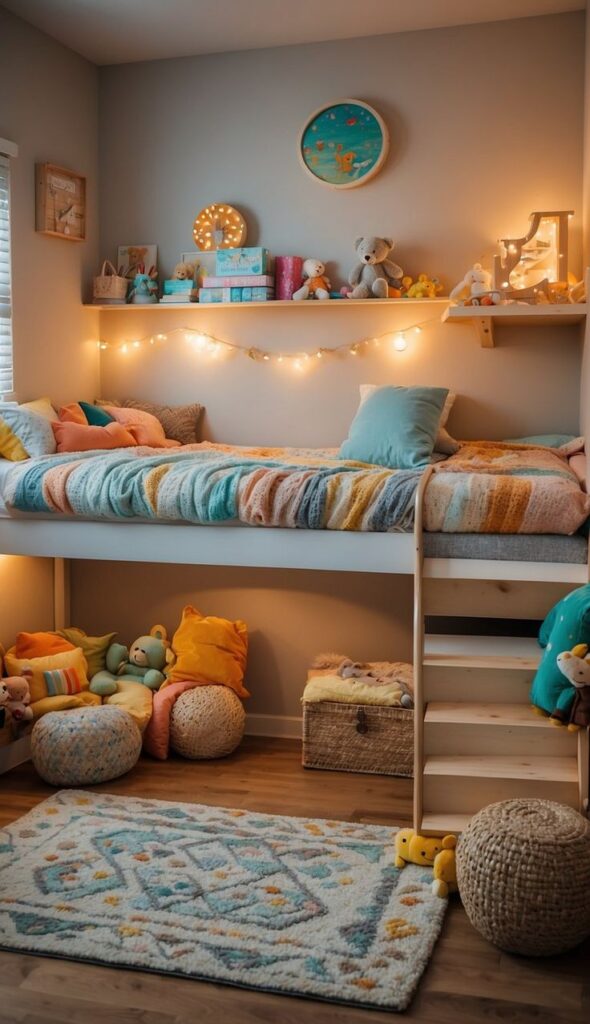
Two twin beds eat space fast if you place them side by side. So you push them into an L-shape in a corner.
This layout:
- Clears a big open rectangle in the center of the room
- Leaves a wall free for storage or a desk
- Makes the beds feel like little cozy nooks
You can also add corner shelving above where the beds meet. That space usually turns into dead space, but you turn it into book storage, stuffed animal parking, or nightlights.
Ever notice how kids always crawl into corners anyway? You just lean into that instinct and create a built-in cozy corner for each of them.
5. Turn the Wall Above the Bed Into Storage Gold
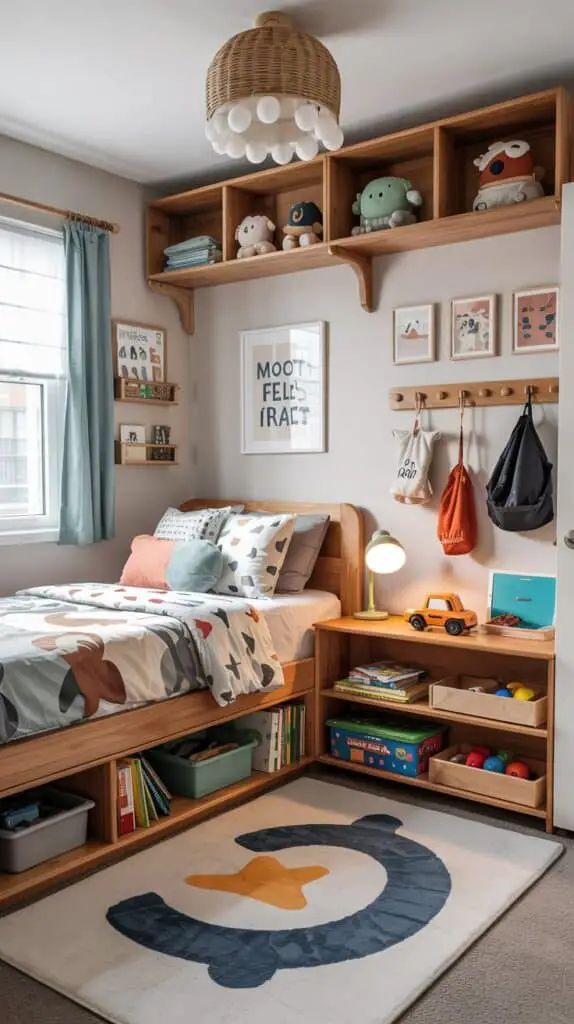
Most kids’ rooms waste the upper wall space. You fix that and build up, not out.
Above and around the beds, you can:
- Install shallow shelves for books and decor
- Add wall-mounted cabinets for clothes or games
- Use pegboards for hanging bags, headphones, or art supplies
When I added a floating shelf “rail” around my kids’ beds at eye level, books stopped piling on the floor and magically stacked themselves on the shelves. Okay, not magically. I bribed them. But the system helped a lot.
You keep the floor clear and let vertical storage do the heavy lifting.
6. Use Underbed Storage Like a Pro
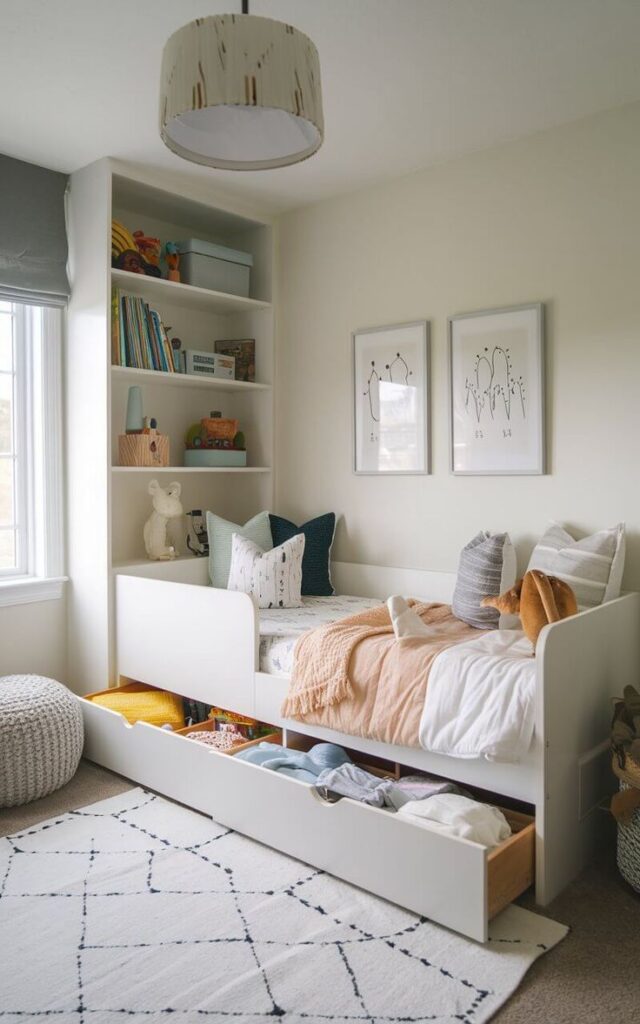
Underbed space can either collect dust bunnies or carry half your kids’ stuff. I vote for the second option.
You can use:
- Rolling drawers for clothes, toys, or blankets
- Flat bins for Lego, art supplies, or puzzles
- Vacuum bags for out-of-season clothes or extra bedding
If you already own simple twin frames, you don’t need new beds. You just slide the right containers under them.
Label everything clearly and teach the kids where things live. You avoid the classic “Moooom, where’s my hoodie?” scream fest because the hoodie clearly lives in the underbed drawer.
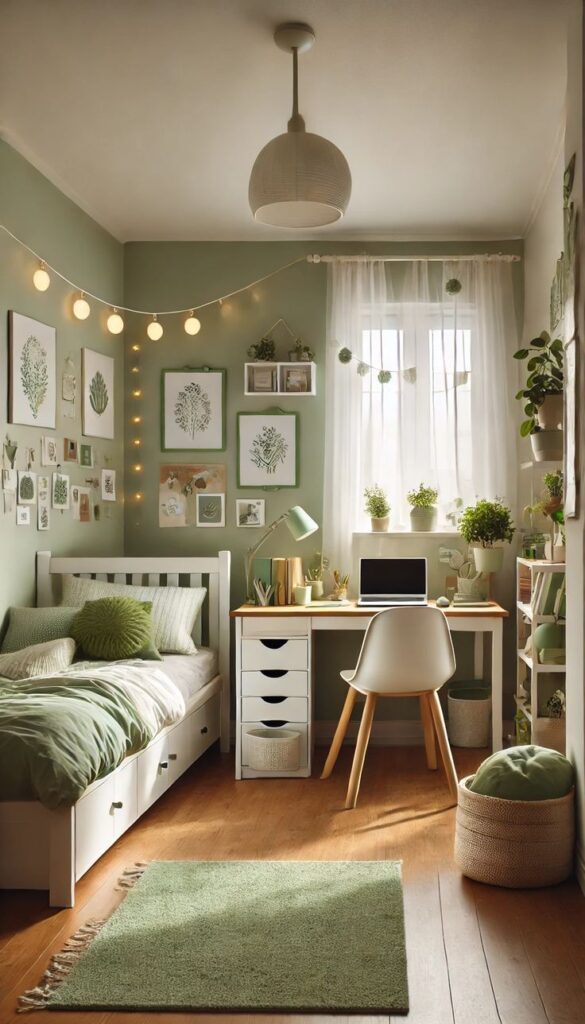
7. Create Zones: Sleep, Play, and Study
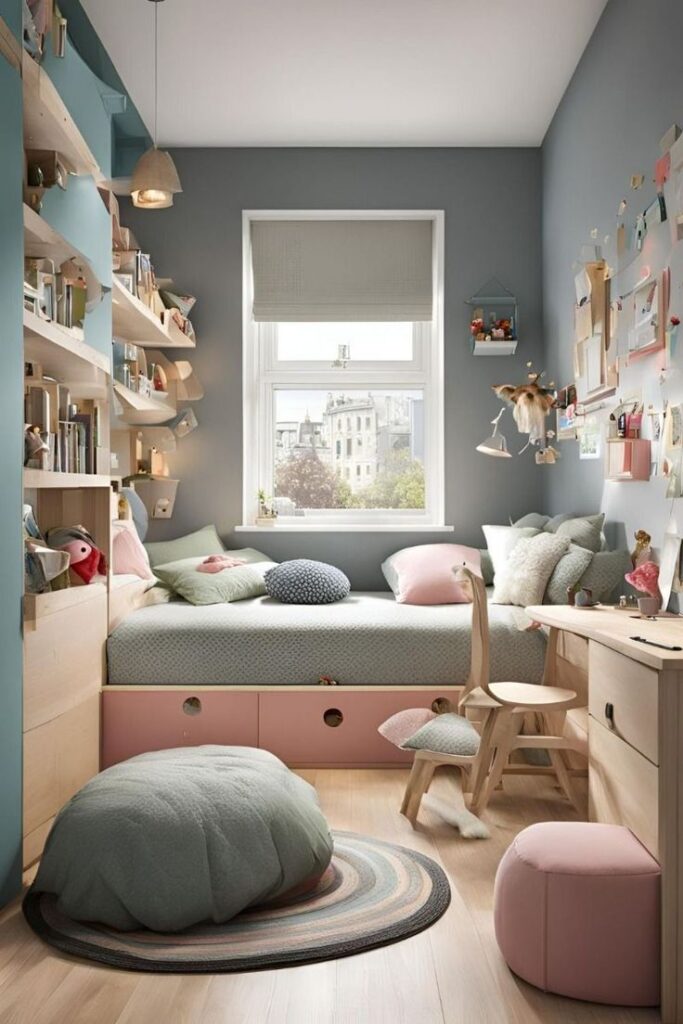
Even in a small kids’ or twin bedroom, you can carve out mini zones so the room feels organized and bigger.
Try this layout approach:
- Park the beds along one wall or in a corner
- Use the opposite wall for a shared desk or slim table
- Reserve one corner for a toy/play zone with a rug and a couple of baskets
You don’t need massive furniture. You just keep each zone clear and intentional. The kids quickly learn, “This corner = toys,” “This wall = homework.”
When you separate functions like that, the room stops feeling like one giant Lego-and-laundry explosion. Everything still lands in piles sometimes, but at least the piles stay in the right areas.
8. Hack the Closet So It Works Twice as Hard
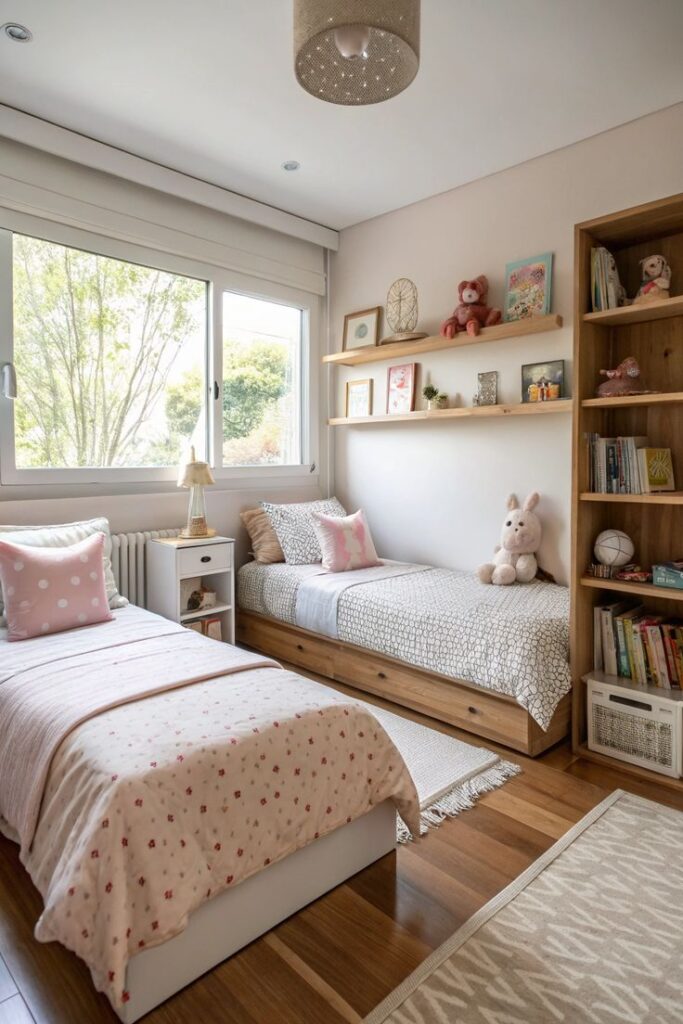
Most standard closets waste ridiculous amounts of space, especially for kids’ clothing. So you reconfigure that thing.
You can:
- Install double hanging rods (one high, one low)
- Add narrow shelves for baskets and shoes
- Use over-the-door organizers for small items
Kid clothes don’t hang very long, so you fit two rods easily. That simple change almost doubles your hanging storage.
You free the actual bedroom walls from random dressers, and you use that space for a desk, bookcase, or just…visible floor. IMO, a patch of visible floor feels like luxury in a small shared room.
9. Choose Furniture That Does At Least Two Jobs
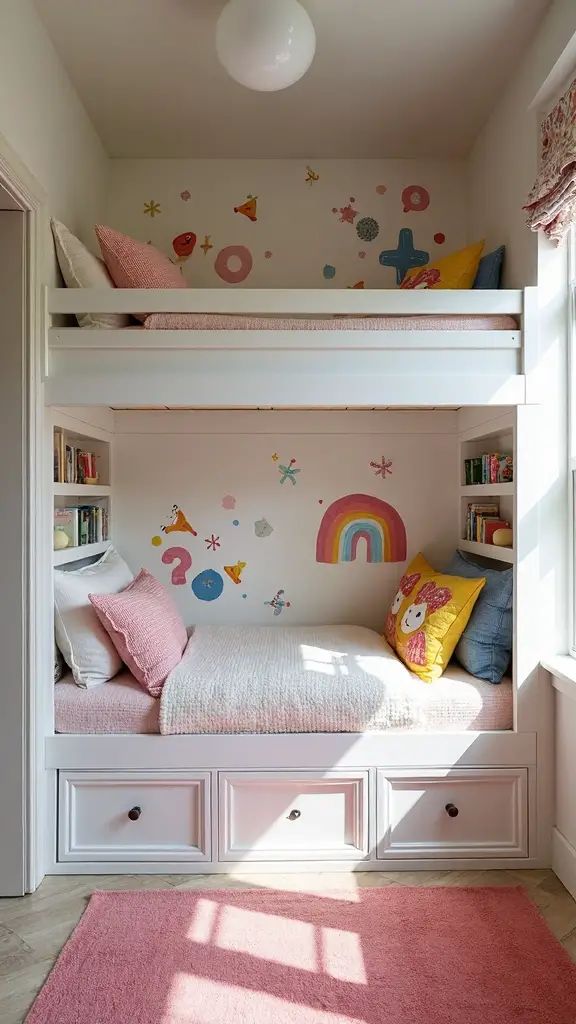
Single-purpose furniture feels cute in theory, but in a small kids’ or twin room, you want pieces that multitask.
Some solid options:
- Storage ottomans or benches at the foot of a twin bed
- Nightstands with drawers or shelves, not just a top surface
- Wall-mounted fold-down desks that tuck away when nobody uses them
I once replaced a flimsy little side table with a narrow three-drawer nightstand, and suddenly socks, underwear, and half the random “treasures” found homes. Same floor space, way more function.
Whenever you shop, ask yourself: “What else can this do?”
If the answer lands at “Nothing,” you probably skip it.
10. Use Color, Light, and Decor to Fake More Space
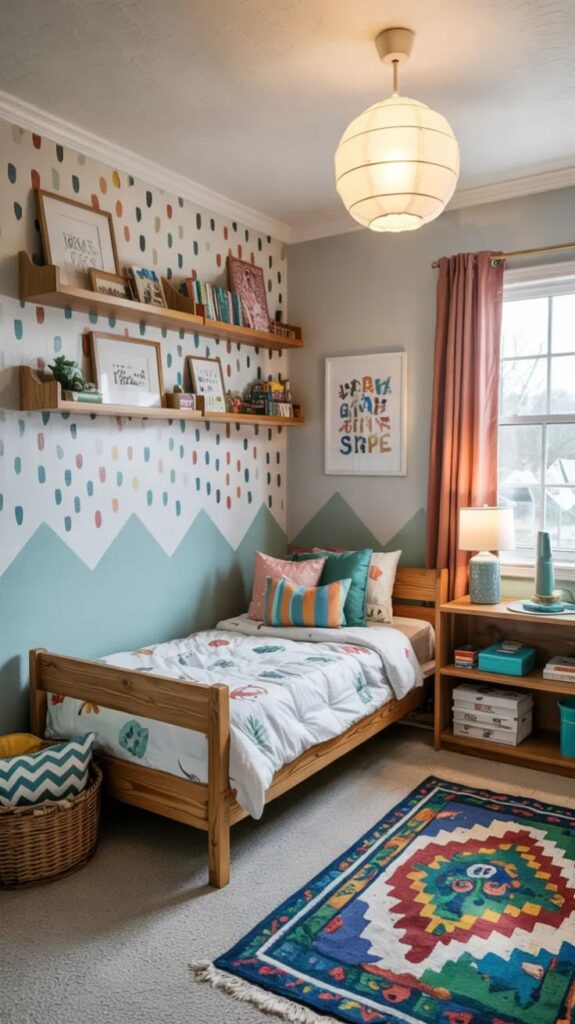
You can’t stretch the walls, but you can trick the eye and make the room feel bigger and calmer.
A few simple tricks:
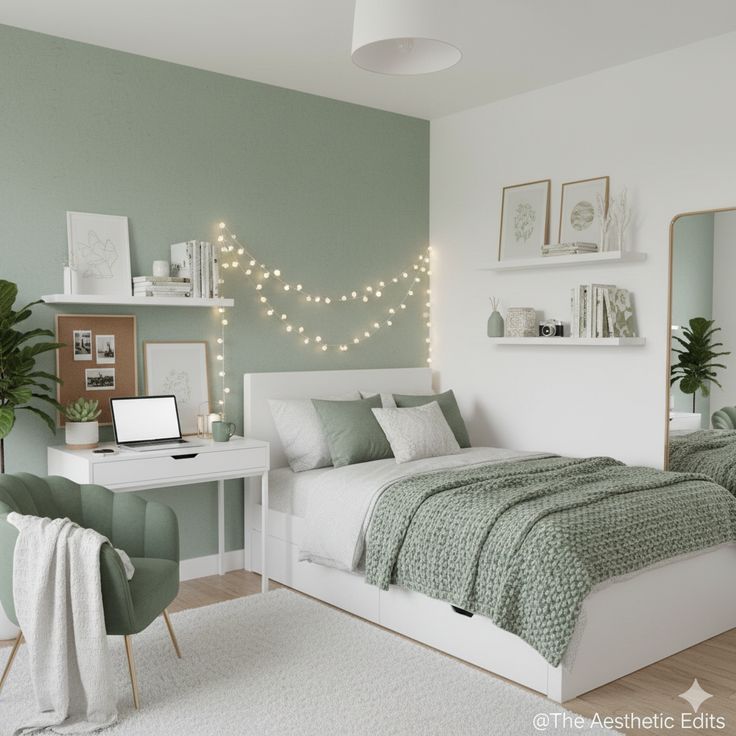
- Choose light or mid-tone wall colors instead of dark, heavy shades
- Keep big furniture in neutral colors and use brighter accents in bedding or art
- Hang curtains higher and wider than the window to make the wall feel taller
- Use mirrors to bounce light around the room
Kids still love bold colors, so you pour the crazy color energy into pillows, posters, bedding, and rugs. When they change tastes in two years (because of course they will), you switch a few accessories instead of repainting the entire room.
A well-lit, light-colored room feels bigger, even when two twin beds, a desk, and a toy herd live in there.
Bonus Tips to Keep a Small Kids’ or Twin Room Sane
Because you know the room doesn’t stay Pinterest-perfect for more than five minutes, right?
You keep it functional long-term when you:
- Rotate toys and store extras elsewhere
- Use labels with words or pictures on bins
- Create a simple nightly reset: five-minute tidy before bed
You don’t need perfection. You just set up a system that the kids can follow without a 20-step explanation.
Putting It All Together (Without Losing Your Mind)
So, quick recap of these small kids’ and twin bedroom ideas that save space:
- Stack beds with bunks or lofts and free up floor space
- Use trundles or L-shaped twins for flexible layouts
- Turn walls and underbed zones into serious storage
- Hack the closet and choose multi-purpose furniture
- Use light colors, smart lighting, and mirrors to fake more space
You don’t need a giant room to create a comfortable, stylish twin bedroom for kids. You just use every inch with some strategy and a little creativity.
Start with one change: maybe a loft bed, a trundle, or a closet refresh. Then add more ideas as you go. Your kids probably notice the difference fast, and you enjoy that rare feeling of walking through the room without stepping on something pointy.