10 Small-Space Sofa Solutions for Bedrooms and Studio Apartments

You want a real sofa, not a sad little chair that screams “temporary.” But you also want to walk through your bedroom or studio apartment without doing parkour over furniture. I get it.
I’ve lived in small spaces where the “living room” basically sat three feet from the bed. I also learned (the hard way) that the wrong couch can swallow a room whole. So let’s talk about small-space sofa solutions that actually work—without turning your place into a furniture Tetris nightmare.
1) The Apartment-Size Sofa (The “Normal Couch,” Just Less Bossy)
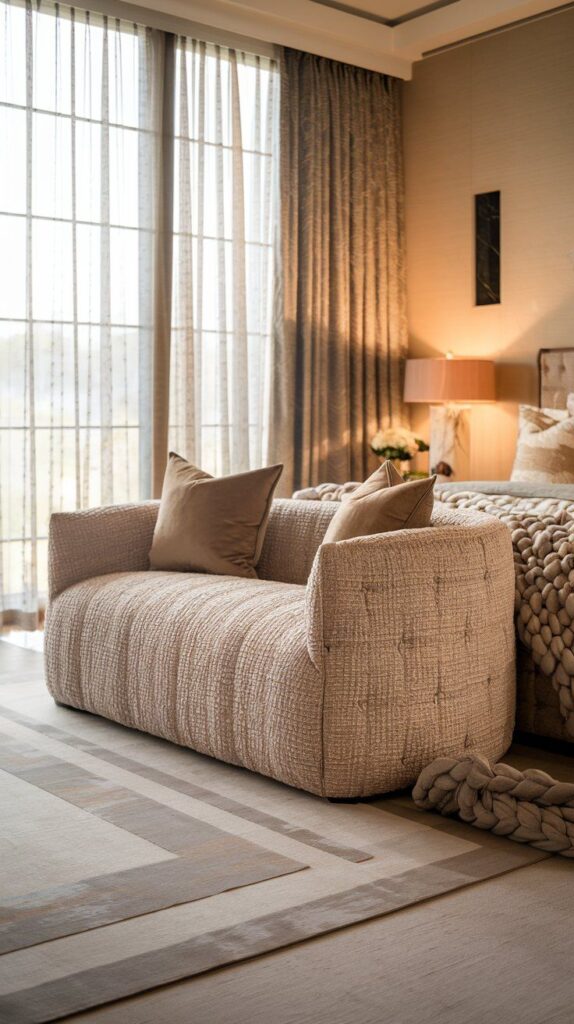
An apartment-size sofa gives you that classic couch vibe without hogging your entire floor plan. You still get a real backrest, real seat depth, and real “come over and sit” energy. Ever noticed how a full-size couch makes a studio feel like it needs its own zip code?
I like these because they feel grown-up, but they don’t bully the room. They also photograph well, which matters if you ever list your place or just enjoy pretending you live in a design magazine.
What to look for:
- Width around 60–75 inches (enough for two people, not enough to eat your wall)
- Raised legs for visual “air” and easier cleaning
- Tighter arms (or armless) to save inches where it counts
2) The Loveseat (Small, Social, and Slightly Underrated)
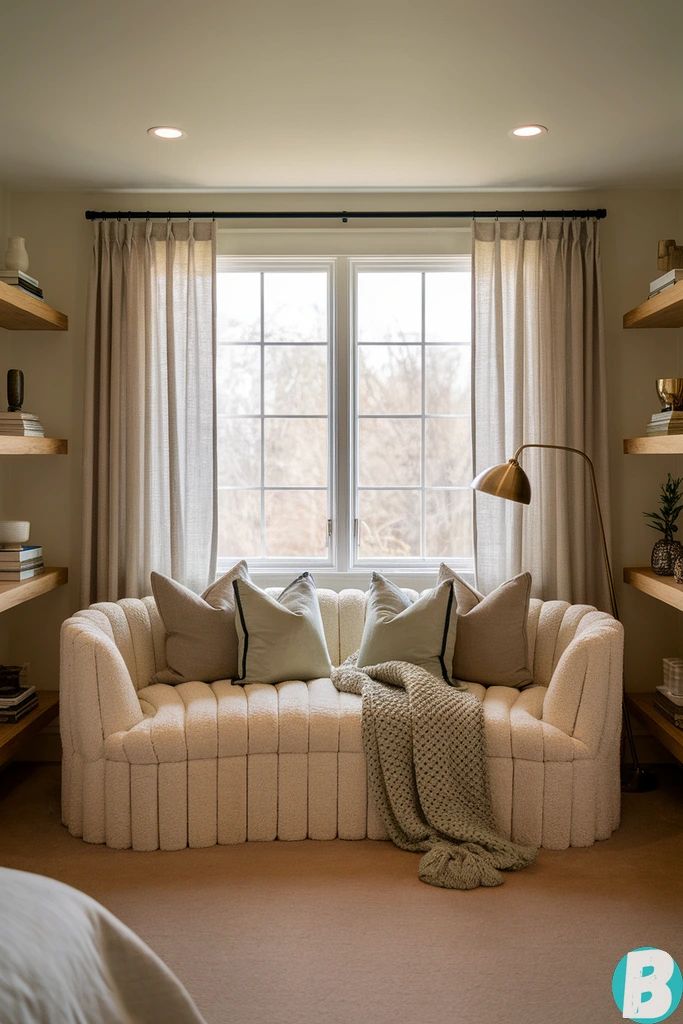
A loveseat for a small apartment works when you want cozy seating but don’t host watch parties for 12. I’ve used a loveseat in a bedroom “hangout corner,” and it instantly made the space feel intentional. Why does a loveseat make you feel like you have your life together? Mystery.
A loveseat also plays nicer with other pieces. You can add a slim side table, a floor lamp, and still keep your walking path intact.
Loveseat wins when you need:
- A true two-seater without excess length
- Better layout flexibility in tight rooms
- A sofa that won’t make your bed feel like an afterthought
3) The Sleeper Sofa (Because Guests Exist… Apparently)
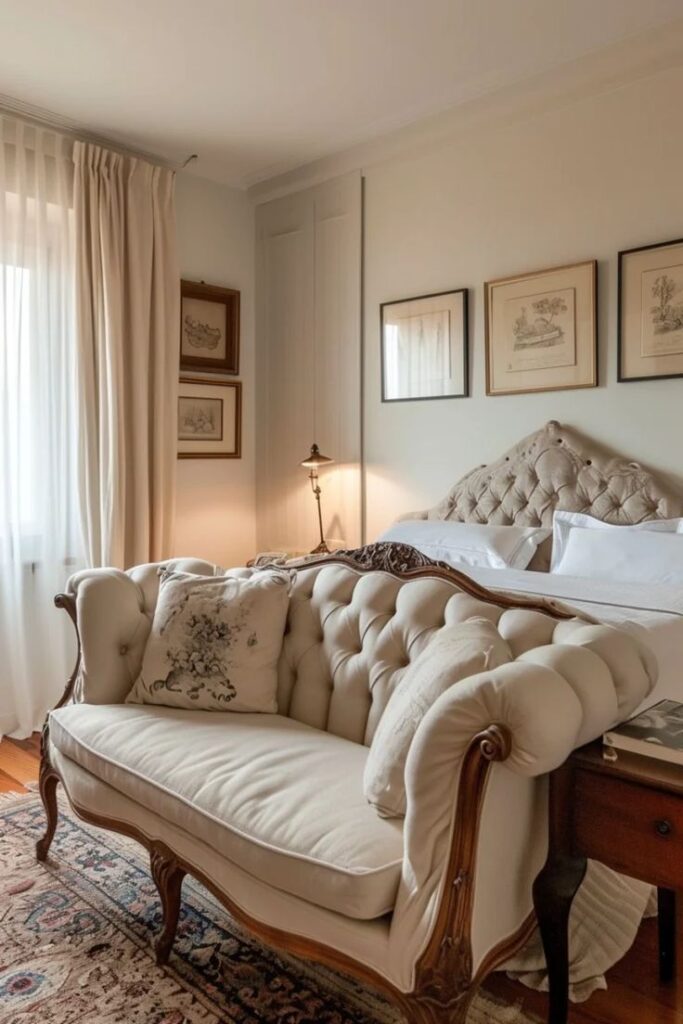
A sleeper sofa for a studio apartment solves the “I swear I’m hospitable” problem. You get seating by day, a bed by night, and fewer awkward conversations about inflatable mattresses. I’ve slept on a few sleeper sofas, and yes, some feel like you laid a blanket over regret—but the good ones feel shockingly legit.
You can also use a sleeper sofa as your main bed in a micro-studio. It sounds dramatic, but it works if you choose wisely.
Pick a sleeper with:
- A simple pull-out or lift mechanism (you’ll use it more if it doesn’t fight you)
- Memory foam or hybrid mattress options
- Easy-clearance design so you don’t move the coffee table every time
FYI, measure your open space with the bed fully extended. Your future self will thank you.
4) The Futon (Yes, They Grew Up)
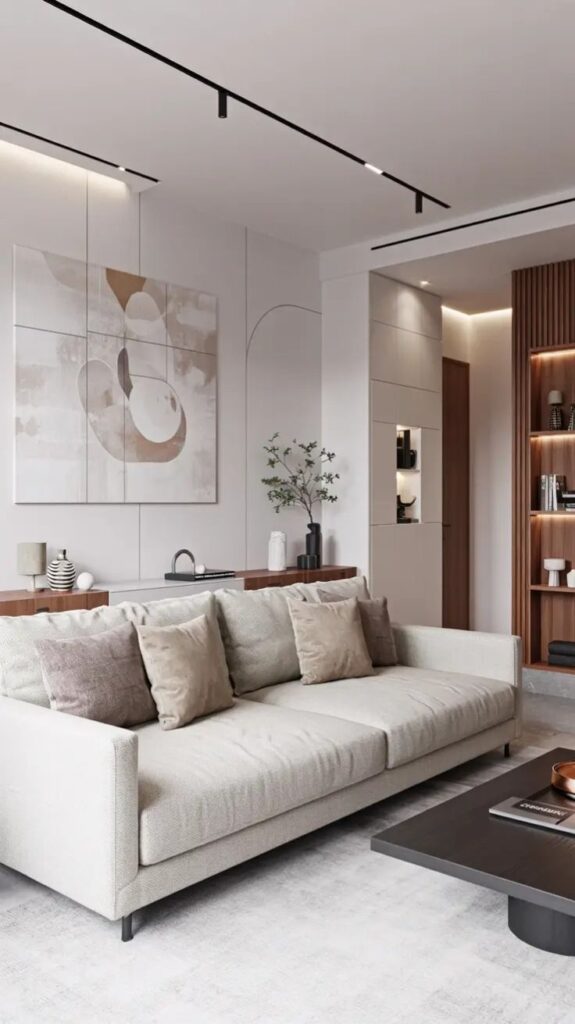
People love to roast futons like they peaked in college. But modern small-space futons look clean, feel comfy, and save space. I’ve seen futons that pass as actual sofas until someone clicks them flat. Isn’t that the dream—stealth functionality?
A futon works great in a bedroom if you want a lounge spot that doubles as a guest bed. You also get bonus points for quick setup when you feel lazy.
Futon features that matter:
- Click-clack or split-back positions for lounging
- Thicker cushions (thin futons feel like punishment)
- Solid frame (no squeaks, no wobble, no drama)
5) The Daybed with Bolsters (Half Sofa, Half “I Planned This”)
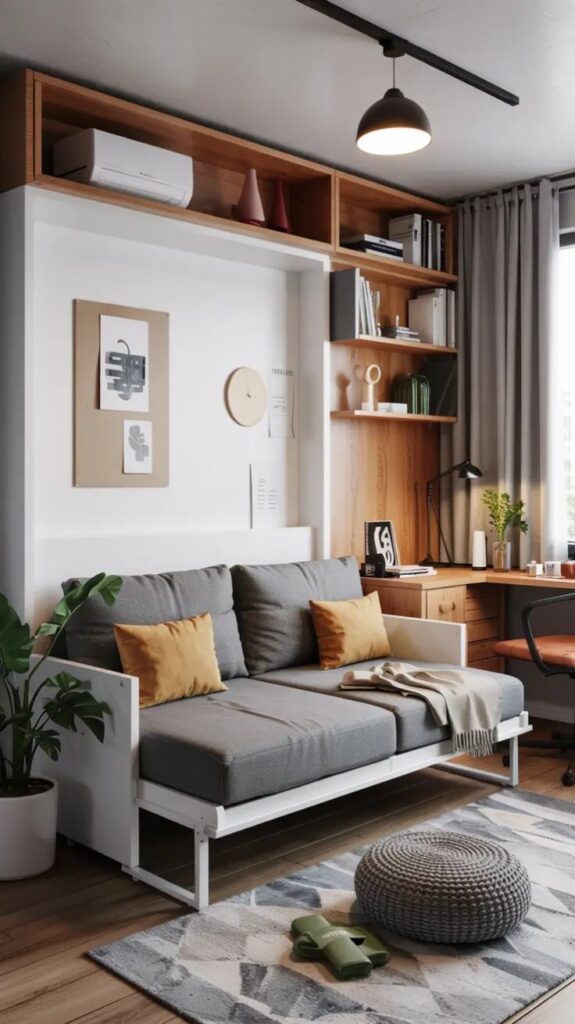
A daybed for a studio apartment gives you a sofa look with a bed footprint. You can style it like a couch with pillows, throws, and bolsters, then use it for sleeping or lounging. Ever wondered why daybeds look so good on Pinterest? They cheat by being both things at once.
I love daybeds in bedrooms because they create a “reading nook” vibe without needing extra square footage. They also work well against a wall, which helps your layout.
Daybed pro tips:
- Use a fitted cover or daybed-specific bedding for a tidy look
- Add two large back pillows for real back support
- Choose a trundle if you want extra sleeping space without extra bulk
6) The Modular Sofa (The “Build-Your-Own” Cheat Code)
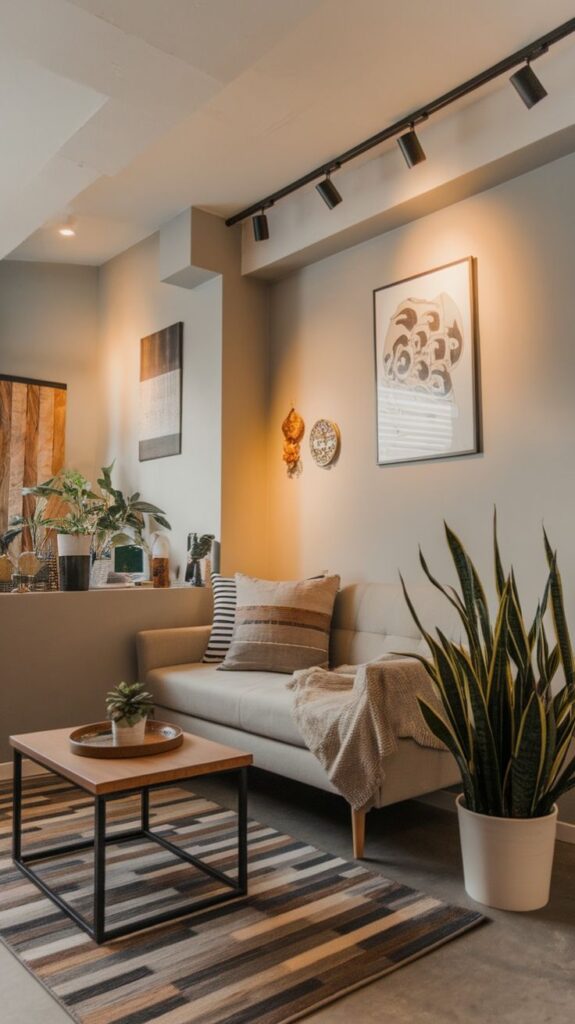
A modular sofa for small spaces lets you rearrange pieces when your layout changes—or when you panic-clean before someone visits. I’ve used modular seating in a studio, and it saved me when I realized my original setup blocked a closet door. Classic.
Modular sofas also help if you move often. You can break them down, carry them through narrow hallways, and reconfigure them in the next place.
Modular sofa perks:
- Rearrangeable sections (chaise today, two-seater tomorrow)
- Easier delivery into tight spaces
- Add-on flexibility if you upgrade later
IMO, modular setups feel like the most future-proof small-space sofa solution.
7) The Storage Sofa (Hide the Mess Like a Pro)
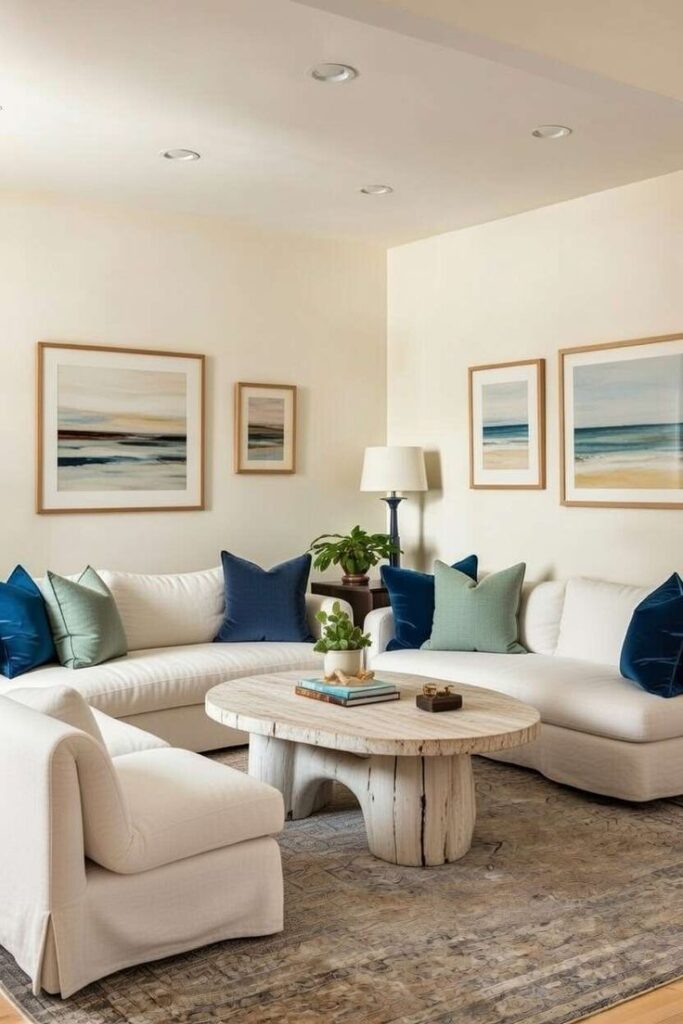
A sofa with storage feels like a small-space superpower. You can stash blankets, board games, off-season clothes, or that random pile of cables you refuse to organize. I once hid an entire winter bedding set inside a storage bench-style seat, and I felt unstoppable.
Storage sofas work best when you need to reduce visual clutter. You can make a studio feel bigger just by keeping stuff out of sight.
Look for storage that offers:
- Lift-up seat compartments with sturdy hinges
- Easy-open access (you won’t use it if it feels annoying)
- Deep storage that fits bulky items like comforters
8) The Armless Sofa (More Seat, Less Bulk)
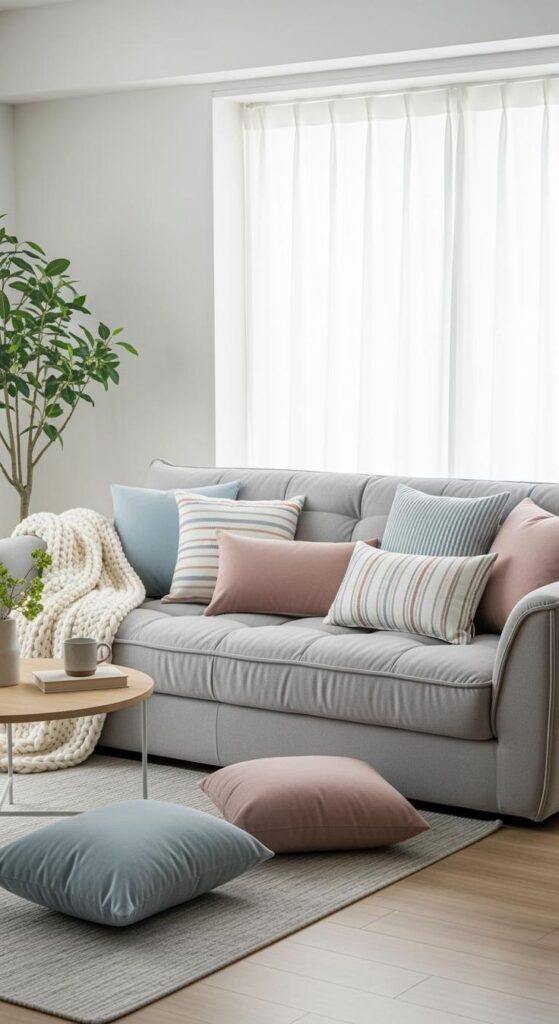
An armless sofa for a small room gives you maximum seating with fewer visual “walls.” Arms take space, and in a tight bedroom or studio, every inch matters. Do you really need chunky arms if you never use them? Exactly.
I like armless styles for tight corners or narrow rooms because they look lighter. They also pair well with a side table that acts like a “temporary armrest” when needed.
Armless works best when you want:
- A cleaner, more open look
- More usable seat width
- A sofa that fits in awkward, narrow layouts
9) The Corner/Sectional for Small Spaces (Yes, It Can Work)
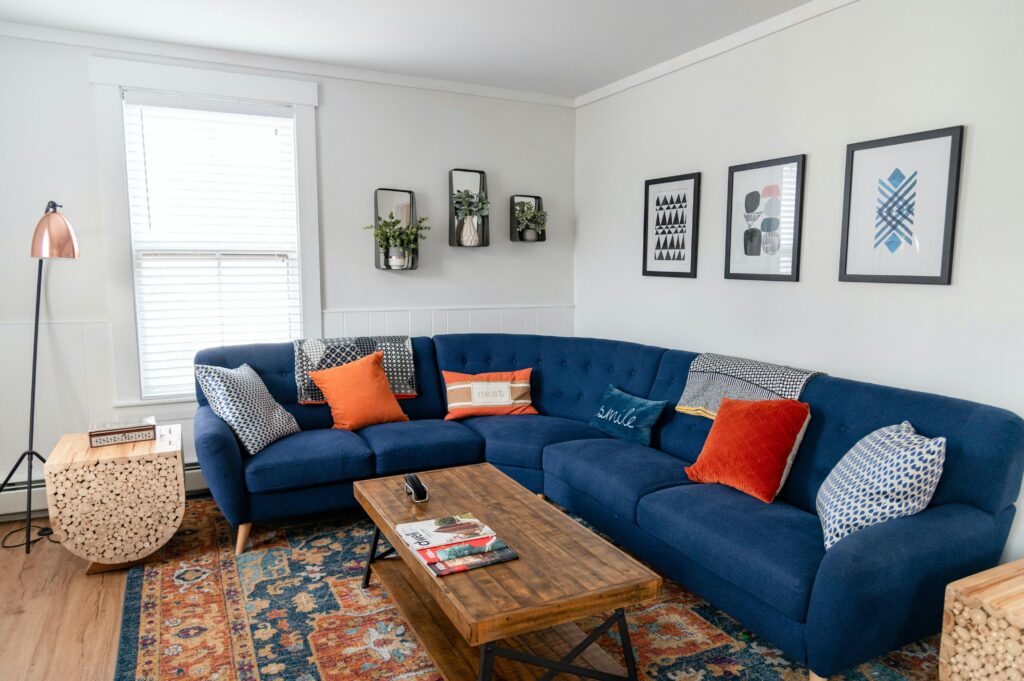
A small sectional for a studio apartment sounds risky, but it can actually make a room feel more efficient. The right compact sectional anchors your seating area and reduces the need for extra chairs. Ever sat in a studio where the furniture floats around like it can’t commit? A sectional fixes that.
I recommend a small sectional only if you plan the layout carefully. You need clear walkways, and you need to respect doors, closets, and windows.
Rules for small-space sectionals:
- Pick a reversible chaise so you can flip the layout
- Keep the profile low and leggy to avoid visual heaviness
- Measure for walking clearance (aim for a comfortable path)
10) The Convertible Sofa Chair (The Secret Weapon)
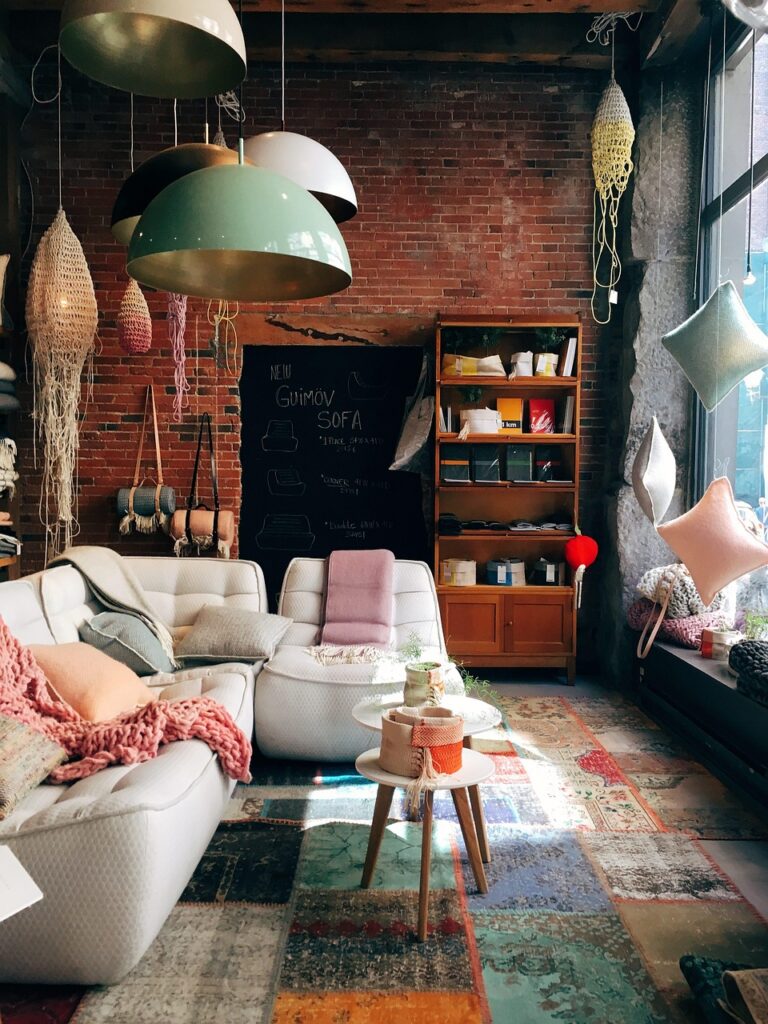
A convertible sofa chair (also called a chair bed or flip chair) gives you seating and sleeping in the tiniest footprint. You can tuck it in a corner of a bedroom, then pull it out when you need an extra bed. I’ve used one during a “my friend missed the last train” situation, and it saved me from sacrificing my own bed. Hero status.
This option also works if you already have a main sofa but want flexible backup seating. You can even use it as a reading chair most days.
Convertible chair highlights:
- Small footprint with big flexibility
- Quick fold-out design for guests
- Perfect for bedrooms, offices, and micro-studios
And yes, some of them look surprisingly cute. Life feels confusing sometimes. 🙂
How to Choose the Right Small-Space Sofa (Without Regret)
You can pick the best sofa style and still mess it up if you ignore the details. I’ve made that mistake, and my shins still remember it. So before you commit, ask yourself a few practical questions.
Measure like you mean it
Grab a tape measure and check the real stuff, not the wishful-thinking stuff.
Measure:
- Sofa width and depth
- Doorways, hallways, and stairwells
- Clearance space for walking and opening doors
- Bed/sleeper extension length if you buy a convertible
Match the sofa to your actual lifestyle
Do you lounge every night? Do you host guests? Do you eat on the couch like a proud little goblin (no judgment)?
Choose based on habits:
- Pick a sleeper if guests stay over often
- Pick storage seating if clutter multiplies overnight
- Pick modular if you move a lot or rearrange constantly
Keep the look light
Small rooms feel bigger when furniture looks airy. You don’t need everything to feel like a black leather fortress.
Design choices that help:
- Raised legs
- Lighter colors or textured neutrals
- Slim arms and a cleaner silhouette
Conclusion: Your Small Space Deserves a Real Sofa
You don’t need a giant living room to enjoy a couch that feels comfy, stylish, and practical. You just need the right small-space sofa solution—like an apartment-size sofa, a loveseat, a sleeper sofa, a daybed, or a modular setup that adapts with you.
So what do you want your space to do—host friends, hide clutter, double as a guest room, or all of the above? Pick one option from this list, measure carefully, and commit like you mean it. Your studio apartment or bedroom can feel bigger, cozier, and way more functional—without you having to sit on the bed forever like it counts as a couch (it doesn’t).