8 Timeless House Colors That Boost Curb Appeal (With Real-Home Combos)

You know that house you drive past and instantly slow down to stare at it? Yeah, curb appeal does that. And nine times out of ten, the secret sauce comes down to one thing: the exterior paint color combo.
I’ve picked exterior colors for my own place and helped friends pick theirs, and I swear the process always starts confident and ends with 37 tabs open and a mild identity crisis. IMO, you don’t need a “trendy” color—you need a timeless house color that plays nice with your roof, your brick, and that one neighbor who judges everything.
So let’s talk about 8 classic exterior paint colors that never really embarrass you later, plus real-home combos that actually look good in daylight. Because yes, paint looks different outside. Painfully different. 🙂
Quick rules that make any exterior color look expensive
Before you grab a gallon and a dream, let’s keep you out of the “why does my house look purple?” zone. Ever noticed how some houses look polished even with simple colors?
Here’s what I always do:
- Match undertones to fixed stuff: roof shingles, stone, brick, and driveway concrete won’t change, so your paint should cooperate.
- Use contrast on purpose: crisp trim + deeper body looks classic; low contrast looks modern and calm.
- Follow a simple balance like Body / Trim / Accent (60/30/10): body dominates, trim frames, accents pop (door, shutters, lighting).
- Test paint outside in morning, noon, and dusk: sunlight plays tricks like it gets paid for it.
FYI, you don’t need a wild front door color to get curb appeal. You just need a combo that looks intentional.
1) Warm White (the “clean but not sterile” classic)
Warm white never quits. It gives you that bright, fresh curb appeal without making your house look like a medical clinic. Do you want “welcoming” or “operating room chic”?
Warm white works best when you add contrast and texture, like black hardware, wood doors, or stone steps. I love it on farmhouses, colonials, cottages, and basically anything with nice trim lines.
Real-home combo ideas
- Body: warm white
Trim: crisp white
Front door: matte black
Accents: black lantern lights + natural wood porch posts - Body: warm white
Trim: warm white (same color, different sheen)
Front door: stained wood
Accents: bronze hardware + soft green landscaping
Quick tip: Pick a warm white with a gentle creamy base if you have warm roofs or brick. Your eyes will thank you.
2) Soft Greige (beige and gray’s well-behaved child)
Greige gives you the “neutral exterior color” vibe without looking flat or builder-basic. It also hides dust and pollen better than bright white, which matters if your trees fling yellow fuzz like confetti.
Greige looks timeless because it sits right in the middle—calm, balanced, and easy to dress up with trim. Want classic? Add white trim. Want moodier? Add charcoal accents.
Real-home combo ideas
- Body: light greige
Trim: bright white
Front door: deep navy
Accents: black house numbers + brushed nickel light fixtures - Body: mid-tone greige
Trim: warm cream
Front door: natural wood
Accents: dark bronze gutters + stone walkway
Quick tip: If your roof reads warm brown, choose a greige with warmer undertones. If your roof reads cool gray, go cooler.
3) Classic Navy (bold, but it still behaves)
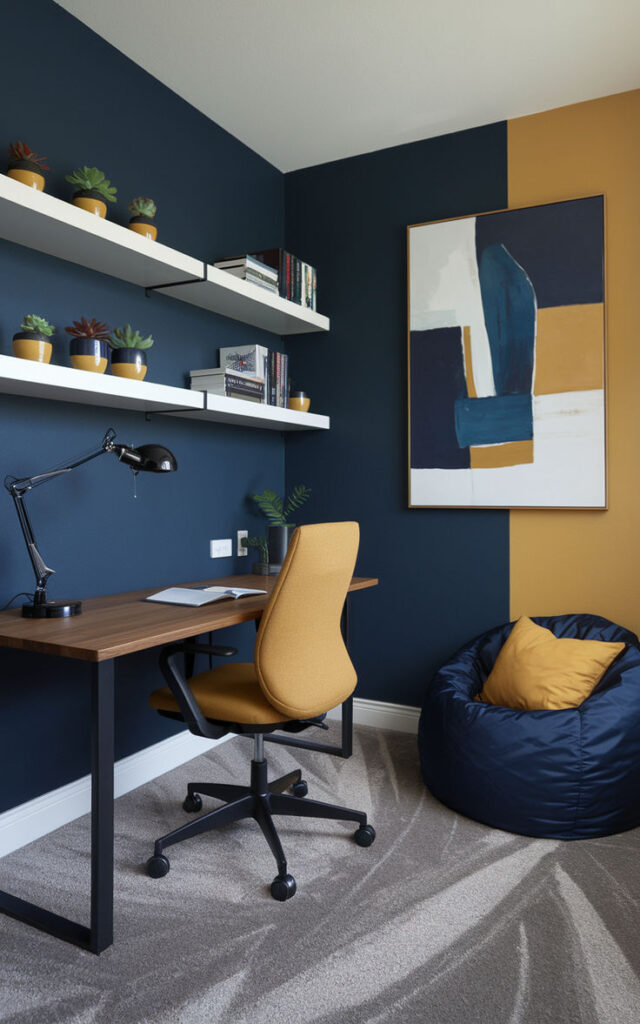
Navy looks confident without acting loud. It gives you that “tailored blazer” energy—classic, sharp, and always appropriate. Have you ever seen a navy house with white trim and thought, “Yikes”? Me neither.
Navy especially boosts curb appeal on colonials, coastal homes, and modern farmhouses. It also makes greenery pop like your landscaping suddenly started trying harder.
Real-home combo ideas
- Body: navy
Trim: bright white
Front door: stained wood
Accents: brass or gold-toned lighting - Body: navy
Trim: soft cream
Front door: white or black
Accents: black shutters + a light gray stone stoop
Quick tip: Keep the trim crisp and clean. Navy looks best when you sharpen the edges.
4) Sage Green (the “nature called, and I answered” neutral)
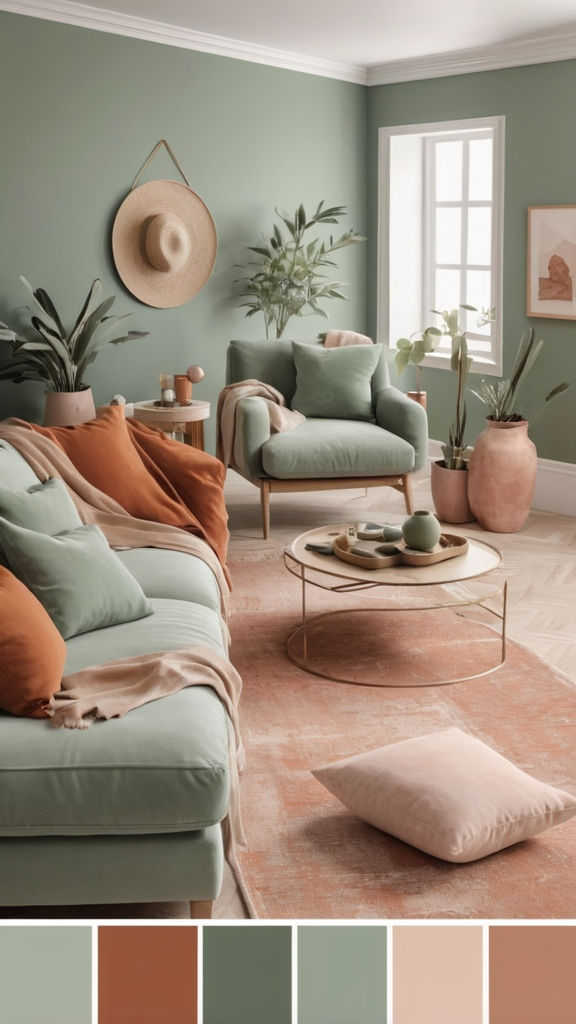
Sage green gives you color without chaos. It feels relaxed, grounded, and timeless in a way that works in suburbs, wooded lots, and older neighborhoods. Want your house to look like it belongs there? Sage handles that job.
I’ve seen sage save some truly awkward landscaping. It blends with trees and shrubs, and it still stands out from the sea of gray houses.
Real-home combo ideas
- Body: sage green
Trim: warm white
Front door: matte black
Accents: black railing + natural cedar porch ceiling - Body: dusty sage
Trim: creamy beige
Front door: deep brown or wood
Accents: bronze lights + stone edging
Quick tip: Sage looks best when you avoid icy whites. Pick soft, warm trim for that cozy curb appeal.
5) Charcoal (aka “I want drama, but make it classy”)
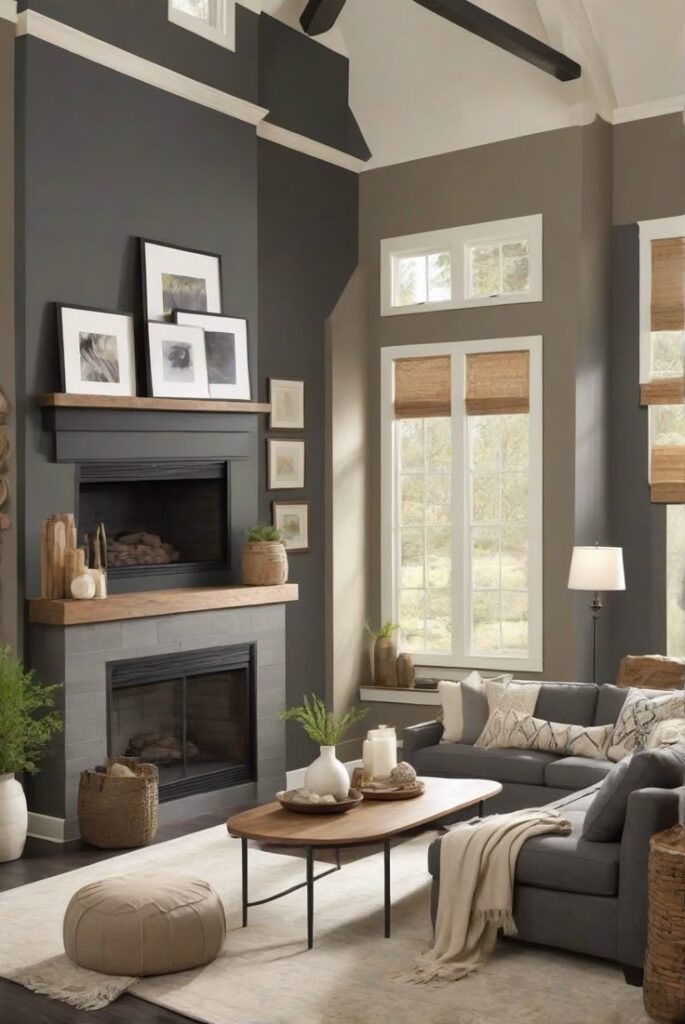
Charcoal gives you modern curb appeal without jumping all the way to pure black. It looks sleek, hides grime, and makes your windows and landscaping stand out. Do you want your house to look expensive? Charcoal helps.
I love charcoal on contemporary homes, cabins, and even traditional houses with strong trim. You just need the right warmth in the accents so it doesn’t feel cold.
Real-home combo ideas
- Body: charcoal
Trim: soft white
Front door: natural wood
Accents: black gutters + warm brass porch lights - Body: smoky charcoal
Trim: light greige
Front door: muted red-brown
Accents: black metal railing + concrete pavers
Quick tip: Add warm wood somewhere (door, posts, soffit) to keep charcoal from feeling gloomy.
6) Sand / Light Taupe (sunny, calm, and eternally polite)
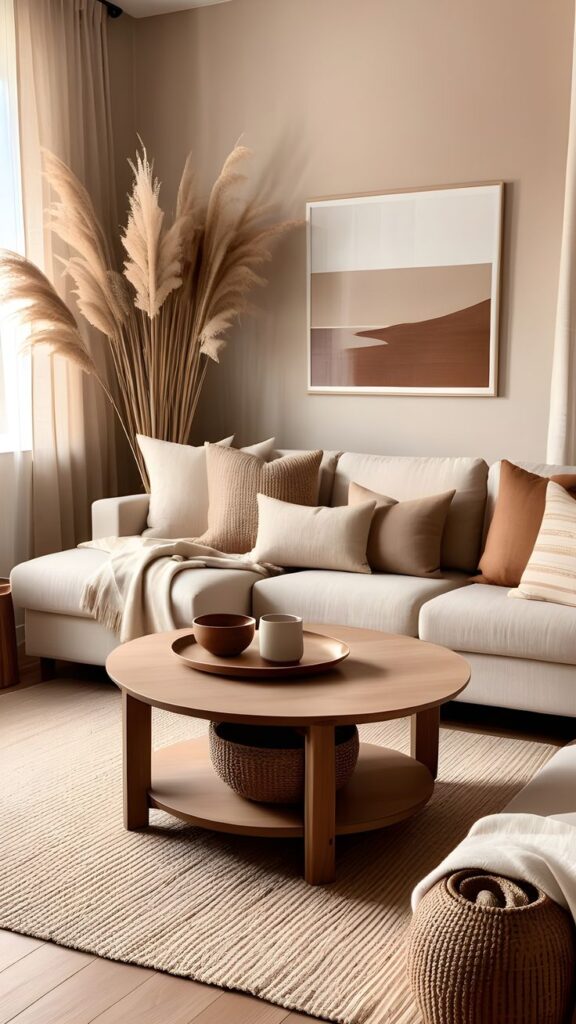
Sand and light taupe tones scream “put together” without trying too hard. They fit right in with stucco, brick, stone, and desert-style landscaping. Ever wonder why so many Mediterranean and ranch homes look instantly cohesive? These tones carry a lot of that weight.
Taupe also plays nicely with warm roofs and natural materials. You can go classic with white trim or lean earthy with cream.
Real-home combo ideas
- Body: sandy beige
Trim: warm white
Front door: dark walnut
Accents: bronze hardware + stone planters - Body: light taupe
Trim: cream
Front door: muted teal
Accents: black shutters + warm exterior lighting
Quick tip: Keep the trim slightly warmer than the body. That move makes the whole exterior feel intentional.
7) Muted Terracotta (warm, earthy, and secretly timeless)
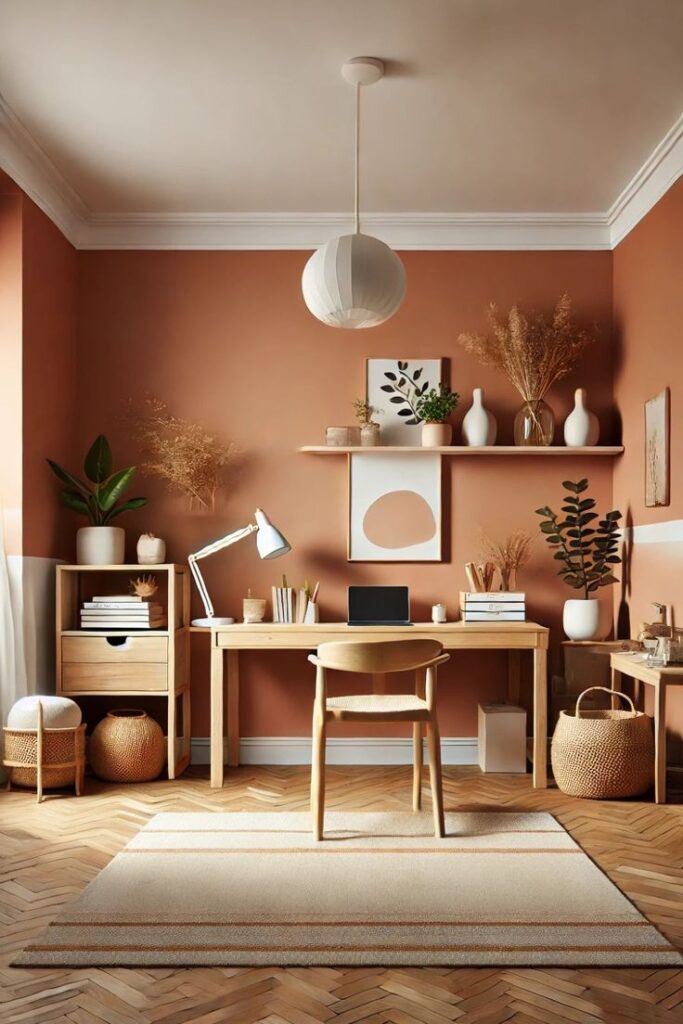
Terracotta scares people because they picture a cartoon orange house. You won’t do that. You’ll pick a muted clay tone that looks sun-baked and rich, not loud and shouty.
Terracotta looks amazing with greenery and stone, and it brings instant character to stucco homes, Spanish-style exteriors, and even some cottages. Want curb appeal that feels unique without feeling trendy? This does it.
Real-home combo ideas
- Body: muted terracotta
Trim: warm cream
Front door: dark brown wood
Accents: black iron lighting + clay pots on the porch - Body: dusty clay
Trim: soft white
Front door: deep olive
Accents: natural stone steps + bronze house numbers
Quick tip: Keep the trim soft and warm. Bright white can look harsh against clay tones.
8) Heritage Red (the bold classic that still feels “home”)
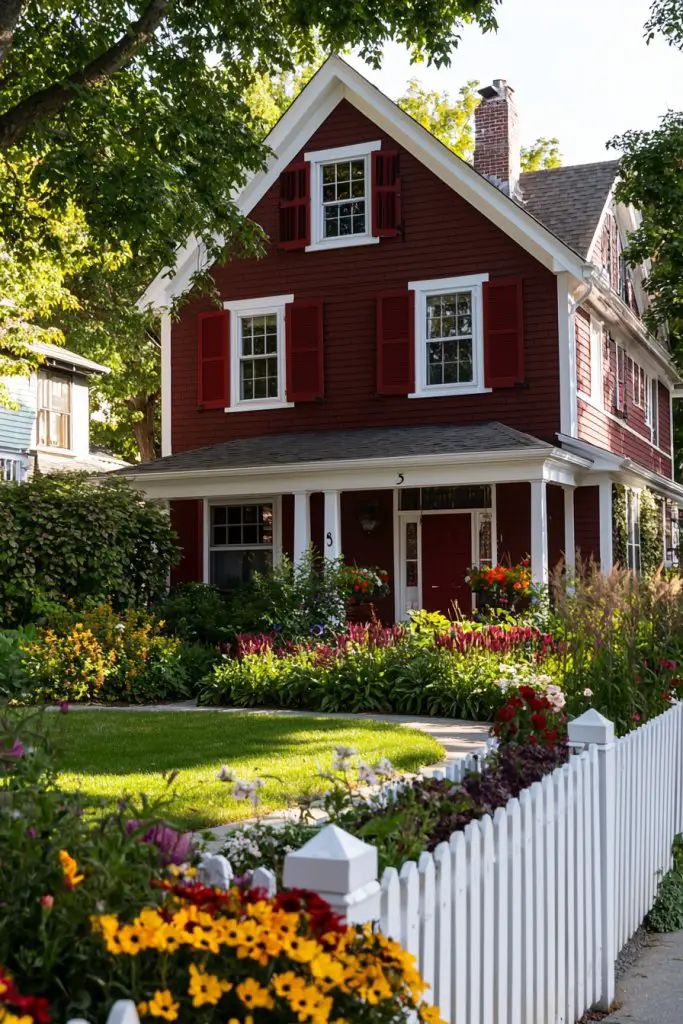
A deep, heritage red gives you that cozy, storybook curb appeal—especially on farmhouses, cottages, and historic-style homes. You get color, but you keep it grounded. Do you want your house to feel memorable in a good way?
Heritage red also looks incredible in fall and winter, which matters if your yard looks like a sad twig convention half the year.
Real-home combo ideas
- Body: heritage red
Trim: clean white
Front door: black
Accents: black shutters + galvanized metal planters - Body: deep barn red
Trim: warm cream
Front door: natural wood
Accents: bronze lights + stone foundation facing
Quick tip: Choose a red with brown undertones, not a bright fire-engine red. Your eyes want depth, not chaos.
Wrap-up: pick one color, then build a combo that feels like “you”
You don’t need a dozen samples and a crystal ball. You need a timeless exterior house color and a smart combo: body + trim + front door + accents. Warm white, greige, navy, sage, charcoal, sand/taupe, terracotta, and heritage red all boost curb appeal because they stay classic and flexible.
Pick your top two, test them outside, and watch them through a full day of light. Then commit and enjoy that little thrill when you pull into the driveway and think, “Yeah… I nailed it.” If you want, tell me your roof color and house style—why guess when you can stack the odds in your favor?