10 Eco-Friendly Industrial Bathroom Designs Using Reclaimed Materials

You want that gritty, factory-cool industrial bathroom vibe, but you also want to sleep at night knowing you didn’t trash the planet for a towel hook. Same. I built a reclaimed-wood vanity for my own place once, and I still brag about it like I forged it in a blacksmith shop (I used a drill and mild panic).
Here’s the fun part: eco-friendly industrial bathroom designs using reclaimed materials don’t feel “crunchy” or boring. They feel intentional, textured, and full of stories. And honestly, who doesn’t want a bathroom that looks like it has better taste than their living room?
Let’s talk about 10 designs you can copy, remix, or obsess over. Ready?
1) Reclaimed Wood Vanity + Salvaged Steel Base
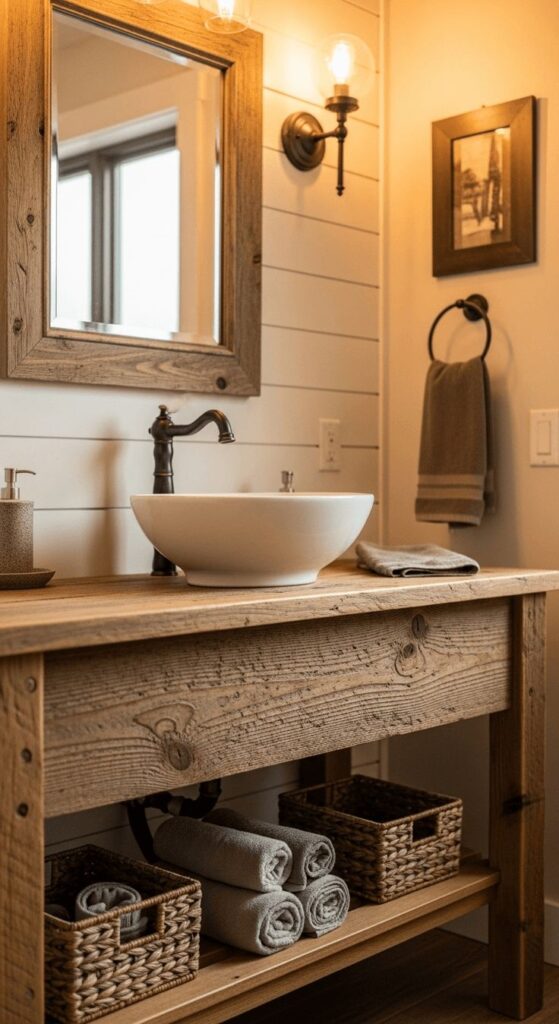
Nothing screams “industrial bathroom” like warm wood and cold steel playing nice together. I love this combo because it looks tough, but it still feels homey. Ever notice how a wood vanity instantly makes a bathroom feel less… dentist-office-ish?
Reclaimed materials to use
- Old barn boards or flooring offcuts for the vanity box
- Salvaged steel angle iron for the base frame
- Reclaimed drawer pulls (mismatched ones look oddly cool)
Why it works
You get character from the wood grain and durability from the metal. You also save a chunk of lumber from the landfill, which feels like a win. Seal the wood with a low-VOC, water-resistant finish so daily splashes don’t ruin your victory.
2) Factory-Style Mirror Using Recycled Window Frames
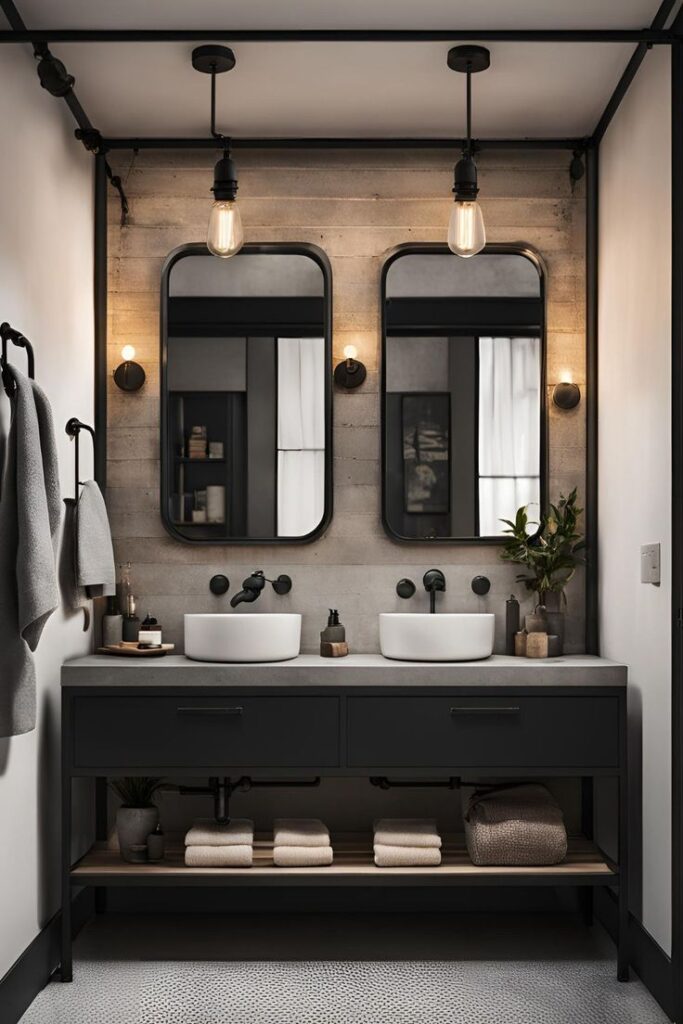
You know that oversized industrial mirror everyone wants? Skip the pricey “vintage-inspired” stuff and grab an actual old window frame. I did this in a small powder room, and the mirror became the whole personality of the space.
What to look for
- Old multi-pane windows (even chipped paint can look amazing)
- Reclaimed glass, or replace panes with mirror cut-to-size
- Salvaged hinges if you want a swing-out medicine cabinet vibe
Quick tip
Scrape, sand, and seal any flaky paint before you hang it. Do you really want mystery dust raining down while you brush your teeth?
3) Reclaimed Brick Feature Wall Behind the Sink
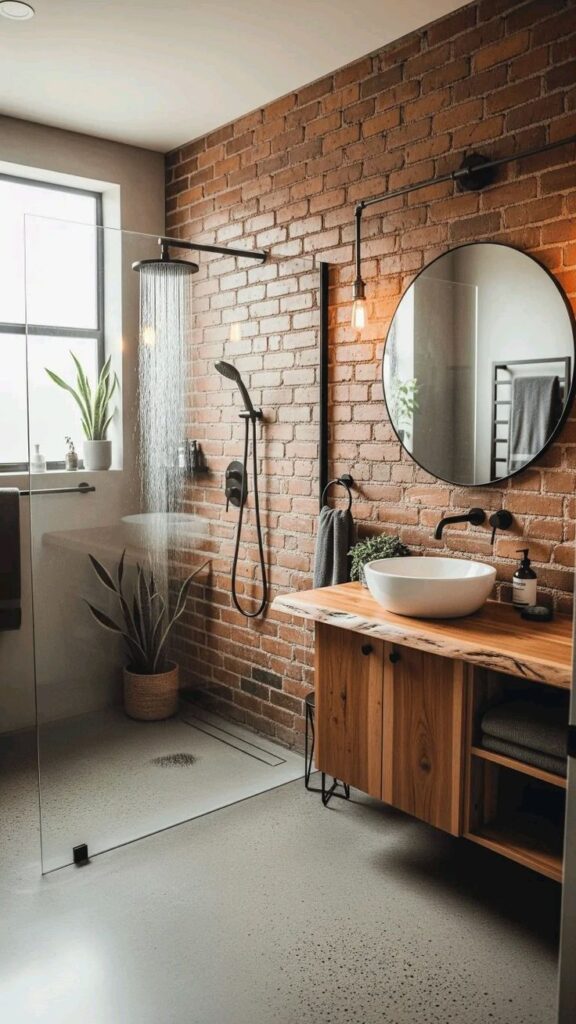
A reclaimed brick wall brings instant warehouse energy. It also hides water spots better than pristine paint, which I consider a public service. Why fight reality when you can decorate with it?
How to pull it off
- Use thin brick veneer made from reclaimed brick if you need less weight.
- Add a matte, breathable sealer to reduce dust and protect against moisture.
- Pair it with black fixtures for that classic industrial contrast.
My honest take
Brick can look busy in tiny bathrooms, so I keep it to one wall. You get the vibe without turning the room into a pizza oven.
4) Pipe-Shelf Storage with Salvaged Plumbing Parts
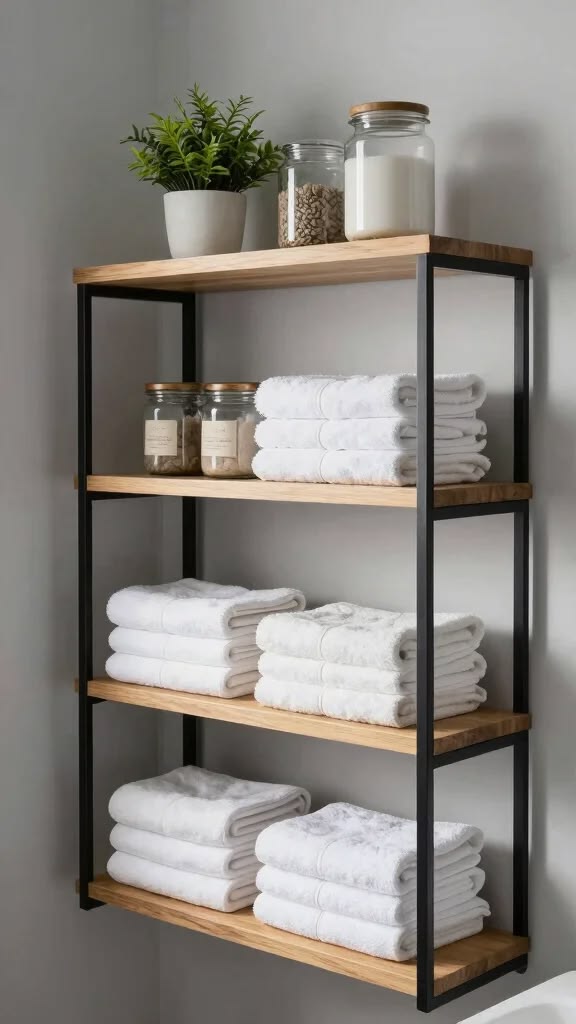
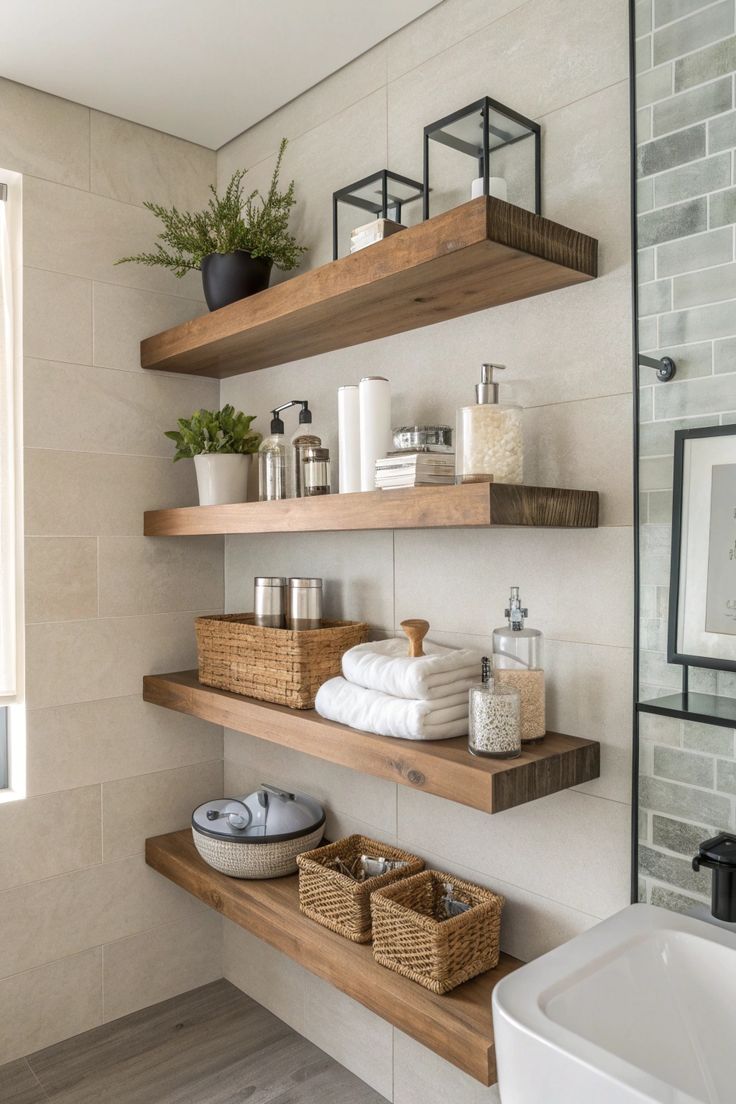
Industrial bathrooms basically begged for exposed pipes, so go ahead and commit. Build shelves from reclaimed plumbing pipes and salvaged wood planks. You’ll get storage and style in one shot.
Best reclaimed picks
- Old iron pipes (clean them well and seal to prevent rust transfer)
- Reclaimed scaffold boards or thick shelving planks
- Vintage pipe flanges for wall mounting
Why people love it
You can customize the size, and you can add shelves as your product collection “mysteriously” expands. And yes, I mean the 12 half-used shampoos you swear you’ll finish.
5) Reclaimed Wood Slat Wall + Hidden Hook Rail
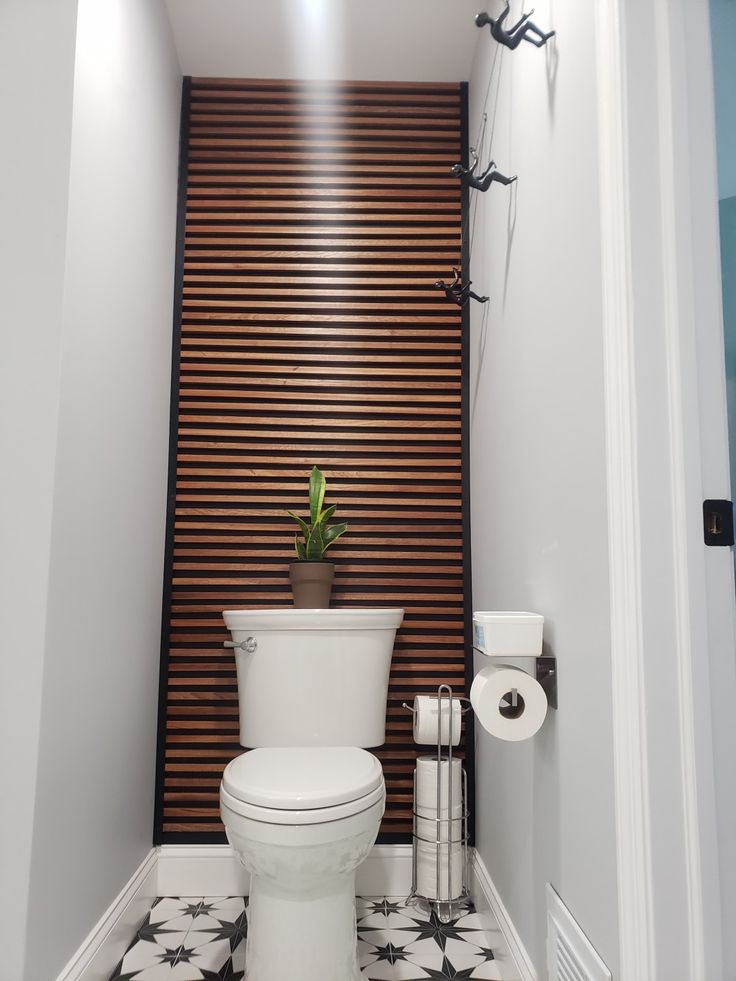
Want industrial style without making the bathroom feel cold? Add a reclaimed wood slat wall and tuck a hook rail behind it. This trick makes towels disappear visually, which feels like magic.
What you’ll need
- Reclaimed pallet slats (choose heat-treated boards)
- Salvaged coat hooks or old school locker hooks
- A moisture-resistant backing layer (especially in full baths)
Design bonus
The slats add vertical lines that make ceilings feel taller. Who doesn’t want their bathroom to look like it stands up straighter?
6) Concrete Sink Look Using Reclaimed Formwork Wood
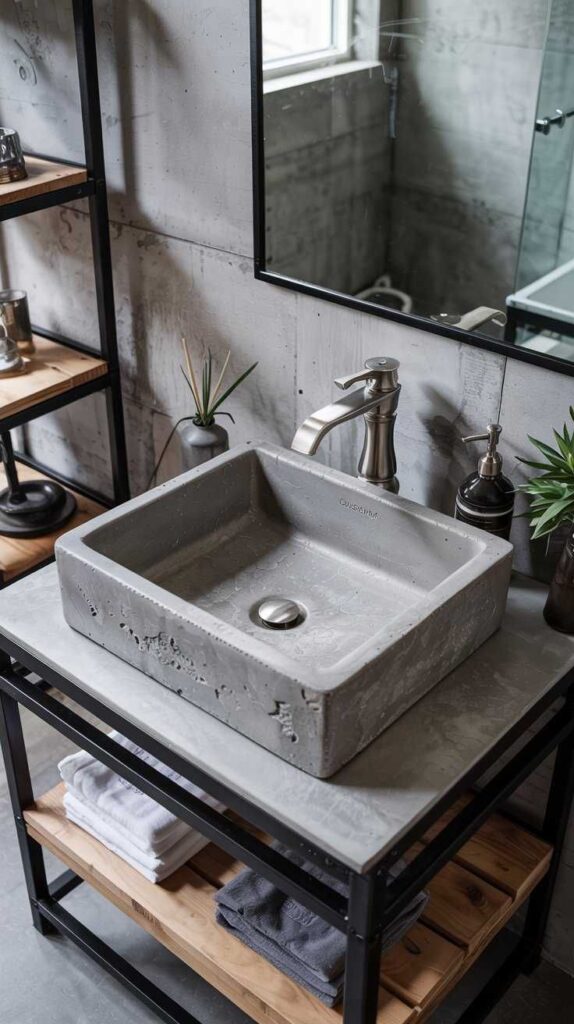
Concrete screams industrial. You can keep it eco-friendlier by using reclaimed formwork wood (or old plywood sheets) to create the mold. FYI, concrete still carries a footprint, so I treat this as a “use less, use smarter” move.
Make it greener
- Build a smaller sink basin to reduce material.
- Use supplementary cementitious materials (like fly ash) if you source them locally.
- Seal the sink with a low-VOC concrete sealer.
IMO, the real win
Concrete looks high-end when you pair it with reclaimed wood and aged brass. It also hides “life happening” better than glossy porcelain.
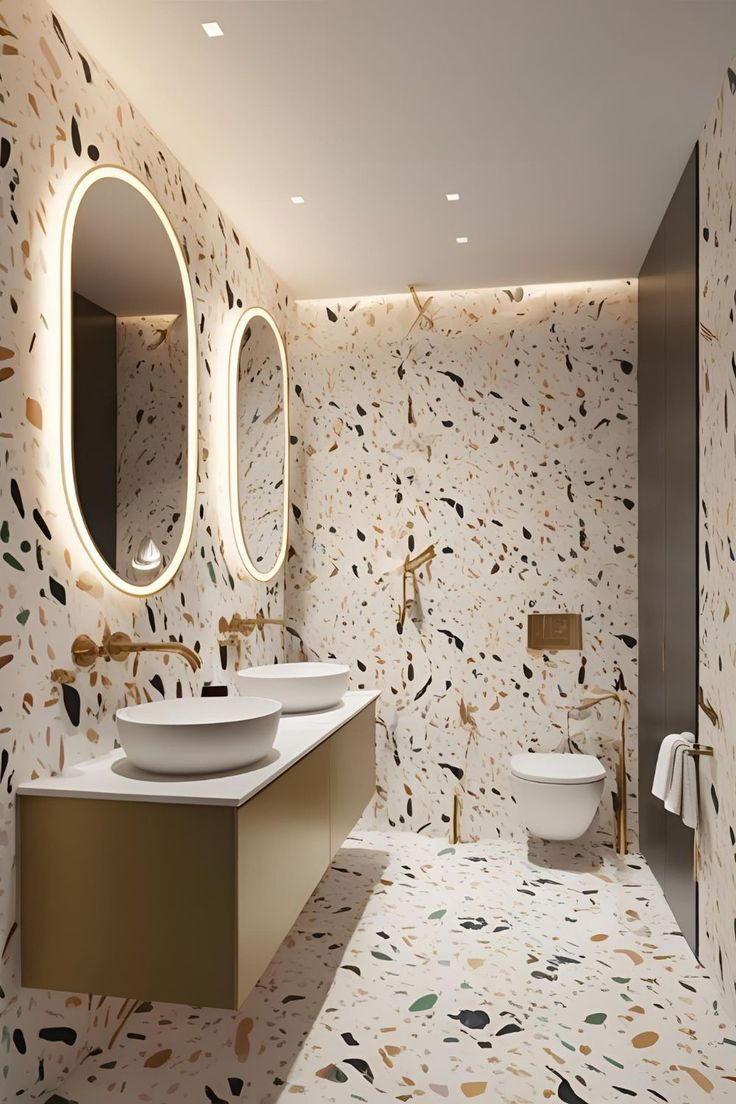
7) Reclaimed Terrazzo Vibe with Salvaged Tile Offcuts
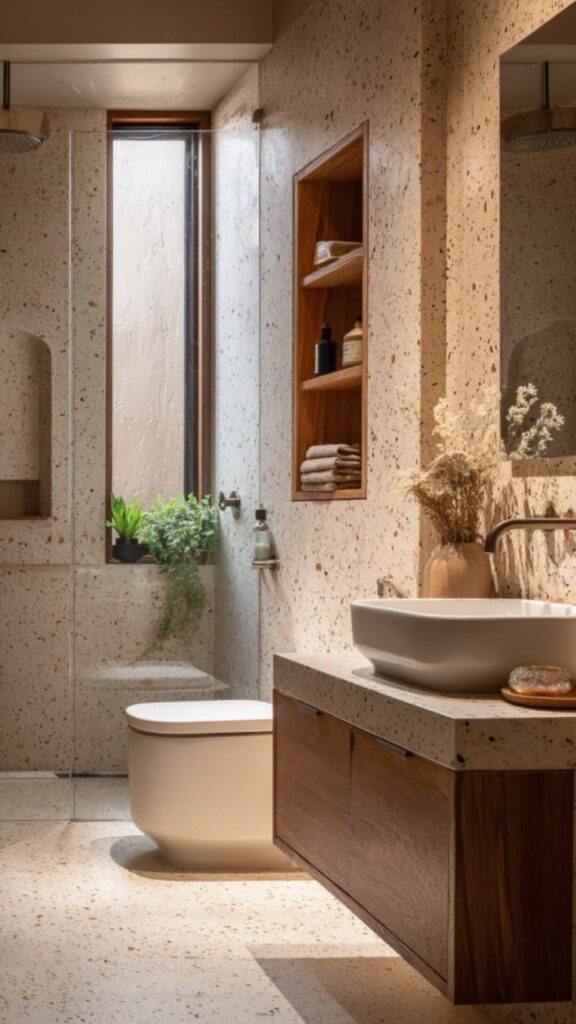
Terrazzo looks fancy, but you can fake it in a very satisfying way. Collect salvaged tile offcuts and create a patchwork floor or wall that nods to terrazzo without pretending you own an Italian villa.
Where to get materials
- Habitat ReStore or architectural salvage yards
- Leftover tile lots from local contractors
- Marketplace listings from remodels
Practical tips
- Stick to a tight color palette so the pattern feels intentional.
- Use dark grout for an industrial edge and easier maintenance.
- Add a floor-rated sealant if you use porous tile.
Want a bathroom floor that looks custom and keeps tile out of the dumpster? This one nails it.
8) Old Locker-Inspired Cabinetry Using Salvaged Metal
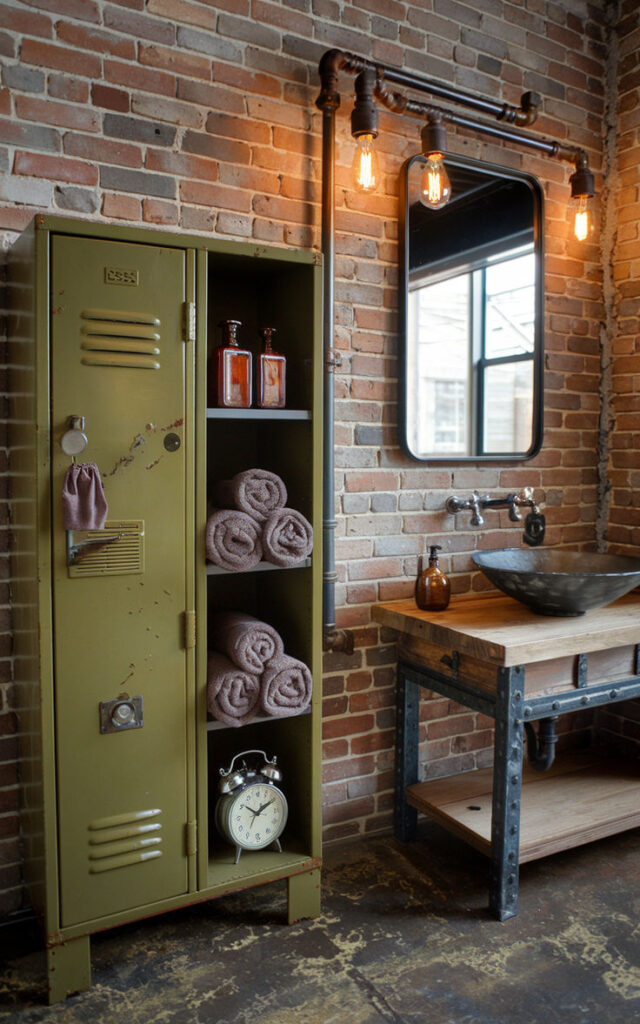
I love salvaged metal cabinets because they bring instant “factory break room” energy—in a good way. You can repurpose an old locker as a tall cabinet, or you can skin a basic cabinet with reclaimed sheet metal. Why buy “distressed” when you can buy actually-distressed?
What to watch for
- Sharp edges (file them down, seriously)
- Rust spots (seal them so they don’t spread)
- Lead paint risk on older pieces (test before you sand)
Styling move
Add warm lighting and a wood accent so the room doesn’t feel like a shipping container :).
9) Bathtub Surround from Reclaimed Timber + Blackened Steel Trim
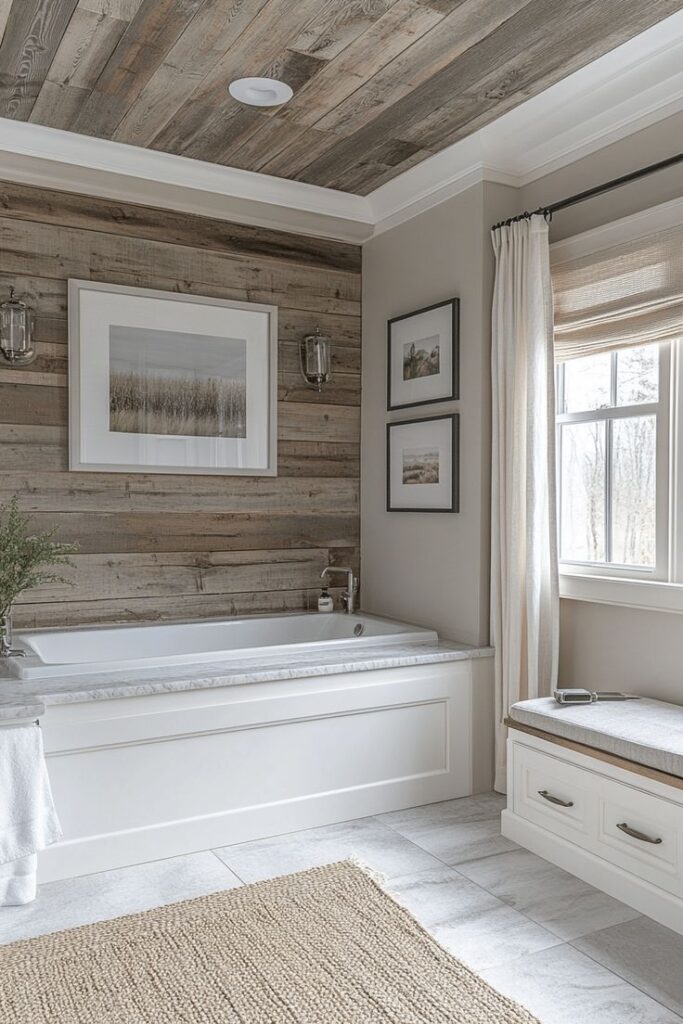
A tub surround eats up a lot of visual space, so it gives you a big chance to show off reclaimed materials. I like reclaimed timber planks with blackened steel trim because the combo looks bold but not loud.
Build notes
- Use proper waterproofing behind the timber.
- Leave a small expansion gap so wood can move without warping.
- Choose a marine-grade, low-VOC finish for splash zones.
Why this design feels expensive
You create contrast and texture like a boutique hotel. You also keep perfectly good wood in circulation, which feels like the kind of “extra” we should all aim for.
10) Salvaged Stone Remnants for a Rugged Countertop
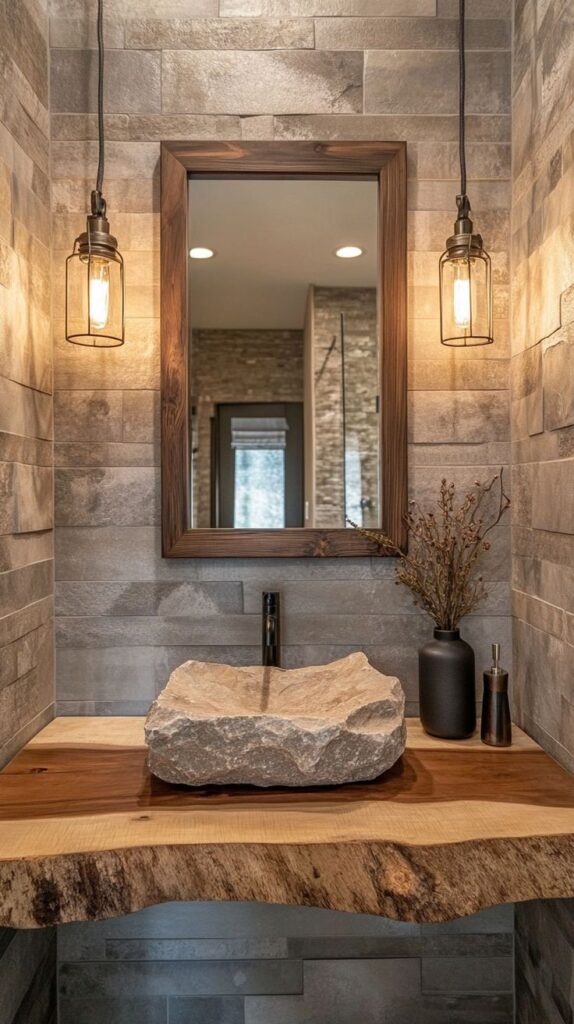
Stone yards often sell remnants for cheap, and people ignore them because they want huge slabs. I grab remnants whenever I can because they give you that heavy, industrial “this will outlive me” vibe.
Great reclaimed options
- Granite or quartz remnants from fabrication shops
- Reclaimed soapstone (beautiful and naturally moody)
- Old lab countertops (yes, really—those things last forever)
Quick comparison
- Soapstone scratches more easily, but it looks better as it ages.
- Granite handles heat and abuse like a champ.
- Quartz offers consistency, but you should confirm the recycled content.
Ever run your hand over a worn stone edge and feel the history? That’s the whole point.
Wrap-Up: Your Bathroom Can Look Cool and Stay Kind to the Planet
You don’t need a massive budget or a brand-new “industrial” set from a catalog to nail this look. You can build eco-friendly industrial bathroom designs using reclaimed materials with smart choices like reclaimed wood vanities, salvaged metal storage, recycled window mirrors, brick accents, and remnant stone.
Start with one upgrade, like a reclaimed mirror frame or pipe shelving, and let the rest grow over time. You’ll end up with a bathroom that feels personal, not copy-pasted. And if someone asks where you bought it, you can say, “Oh this? I rescued it,” and act casual about it.