10 Beginner-Friendly Backyard Vegetable Garden Ideas That Actually Work

You want a backyard vegetable garden that grows food, not a sad little “plant memorial” behind the shed, right? I get it. I started gardening with big dreams, tiny patience, and exactly zero clue why my lettuce kept bolting like it had somewhere better to be.
So let’s keep this simple, practical, and kinda fun. These beginner-friendly backyard vegetable garden ideas work because they match how real life goes: busy weeks, random heat waves, and the occasional “oops, I forgot to water.”
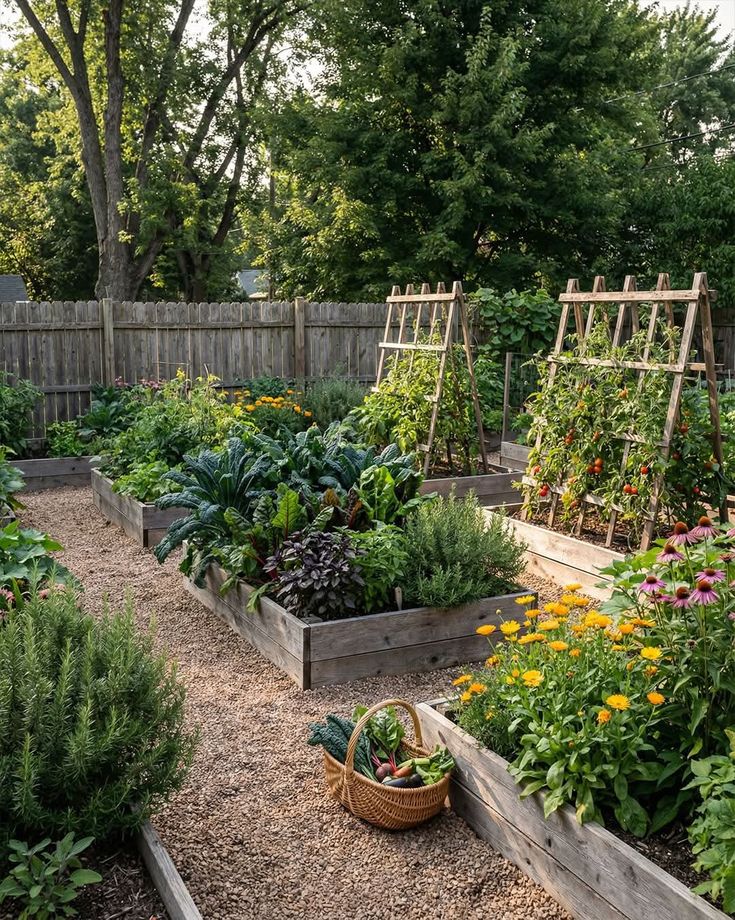
1) Start with a Small Raised Bed (Because Chaos Loves Big Plans)
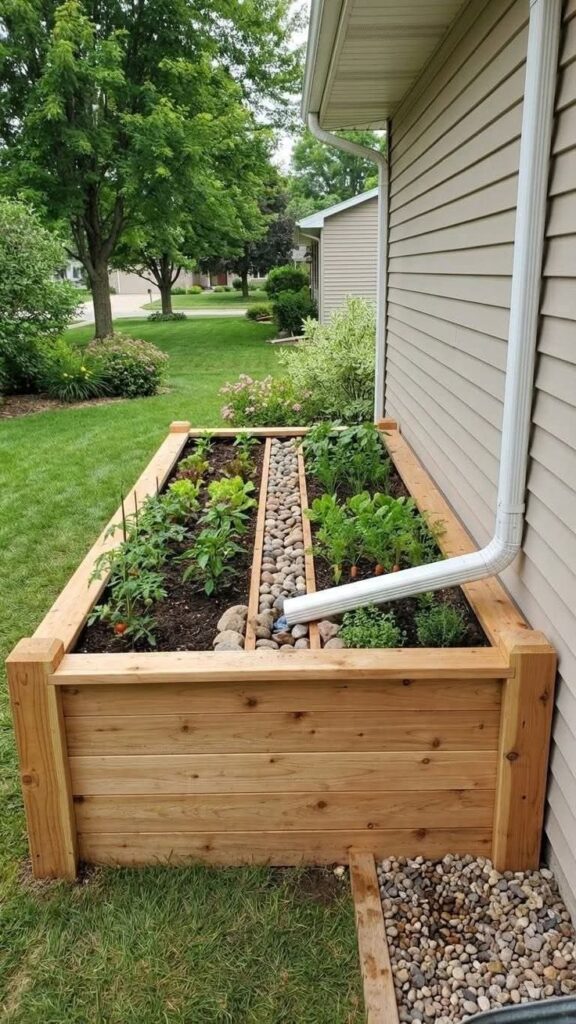
Ever notice how a “small garden project” magically turns into a weekend-killing monster? A 4×4 or 4×8 raised bed keeps your beginner-friendly vegetable garden focused and manageable.
I love raised beds because I control the soil from day one. I also spend less time fighting weeds and more time actually harvesting things.
Why it works:
- You improve drainage and avoid soggy-root drama
- You warm soil faster in spring
- You weed faster because the area stays contained
2) Try Containers When Your Soil Acts Sketchy
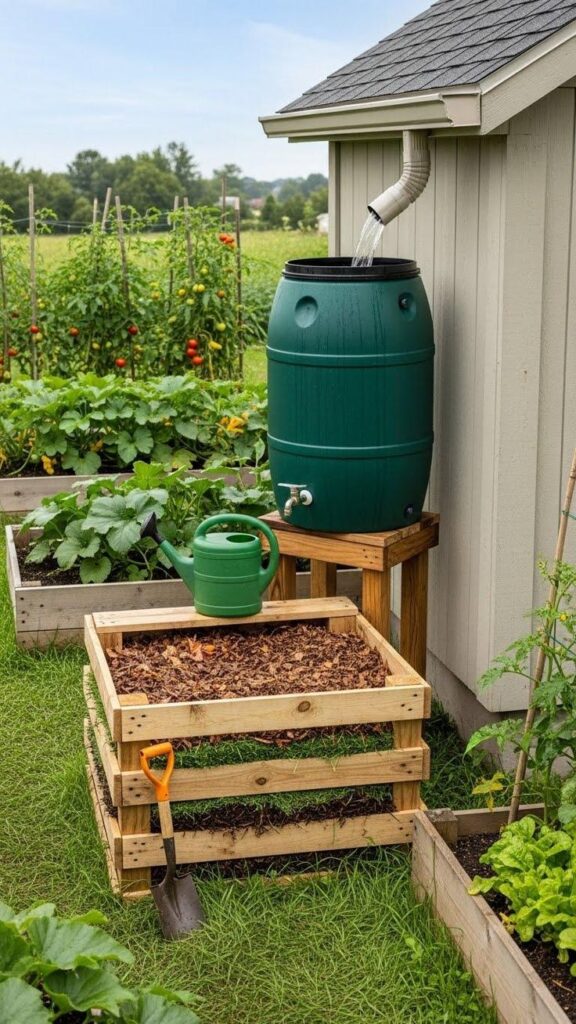
Does your yard soil look like clay pottery material? Containers save the day. You can grow a surprising amount of food in pots, grow bags, and buckets.
I once grew cherry tomatoes in a 5-gallon bucket just to prove a point (and yes, I felt smug). Containers also let you move plants when the weather throws a tantrum.
Best container veggies:
- Tomatoes (cherry types)
- Peppers
- Herbs
- Lettuce
FYI: drainage holes matter more than fancy containers.
3) Build a Simple Trellis and Grow Up, Not Out
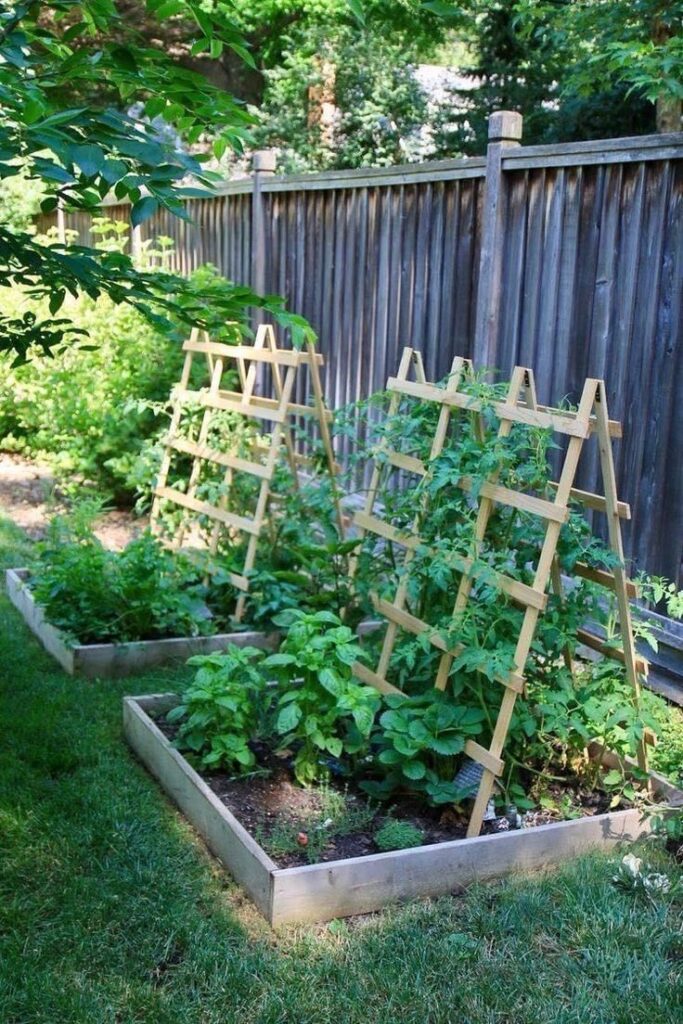
Why let cucumbers sprawl across your whole backyard like they pay rent? A basic trellis turns a beginner backyard vegetable garden into a vertical food machine.
You can use cattle panels, bamboo, or even a sturdy DIY string setup. Vertical growing also helps leaves dry faster, and that cuts down on mildew and other gross stuff.
Great trellis crops:
- Cucumbers
- Pole beans
- Peas
- Indeterminate tomatoes (with real support)
4) Plant a “Lazy Salad Garden” with Cut-and-Come-Again Greens
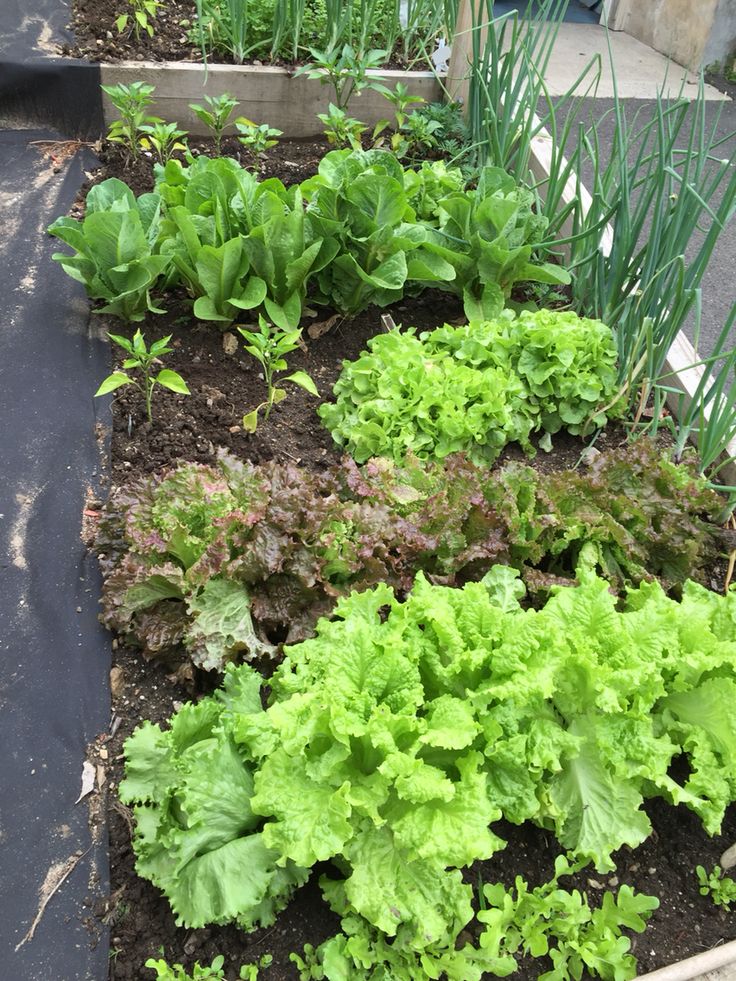
Do you want fast wins? Grow greens. You can harvest lettuce, arugula, spinach, and kale early and often, which feels wildly rewarding.
I call this the “lazy salad garden” because you snip leaves, toss them in a bowl, and pretend you planned it. Who needs perfection when you own scissors?
Easy setup:
- Sow seeds every 2–3 weeks for steady harvests
- Water consistently so greens stay tender
- Shade them in heat with cloth or a tall neighbor plant
5) Use Square Foot Gardening to Stop Overplanting (I Know You Want To)
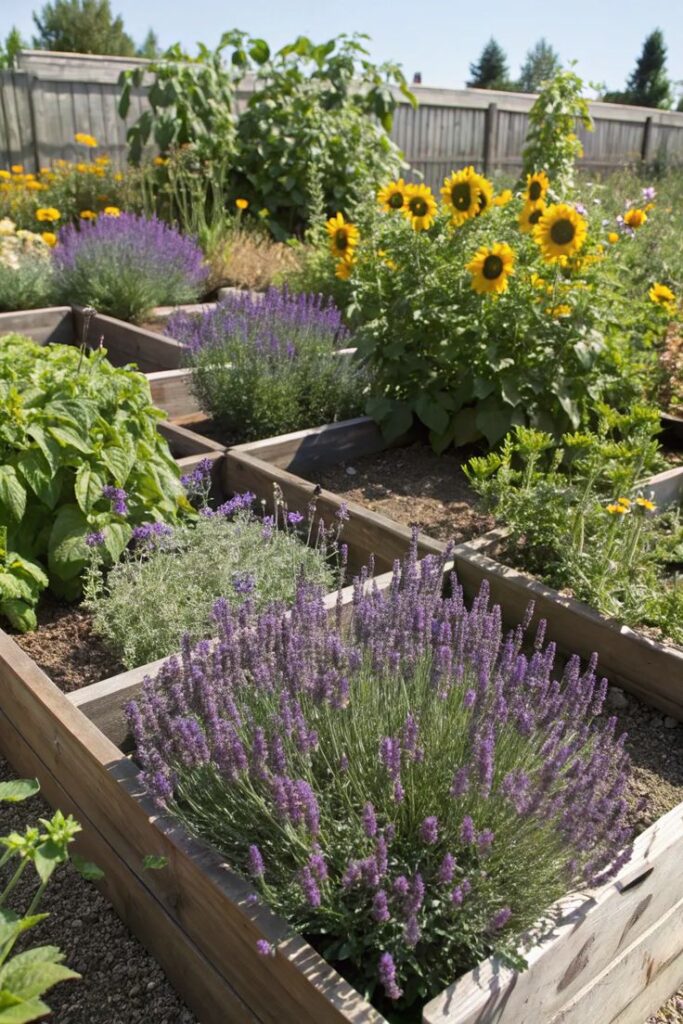
Have you ever planted 40 carrot seeds and thought, “This seems reasonable”? Square foot gardening fixes that. You divide a bed into small squares and plant the right amount per square.
This method keeps your backyard vegetable garden tidy and super beginner-friendly. You also waste fewer seeds and avoid overcrowding, which helps plants stay healthier.
Quick examples:
- 1 tomato per square (with support)
- 4 lettuce per square
- 16 radishes per square
6) Grow the “Three Easiest Veggies” First
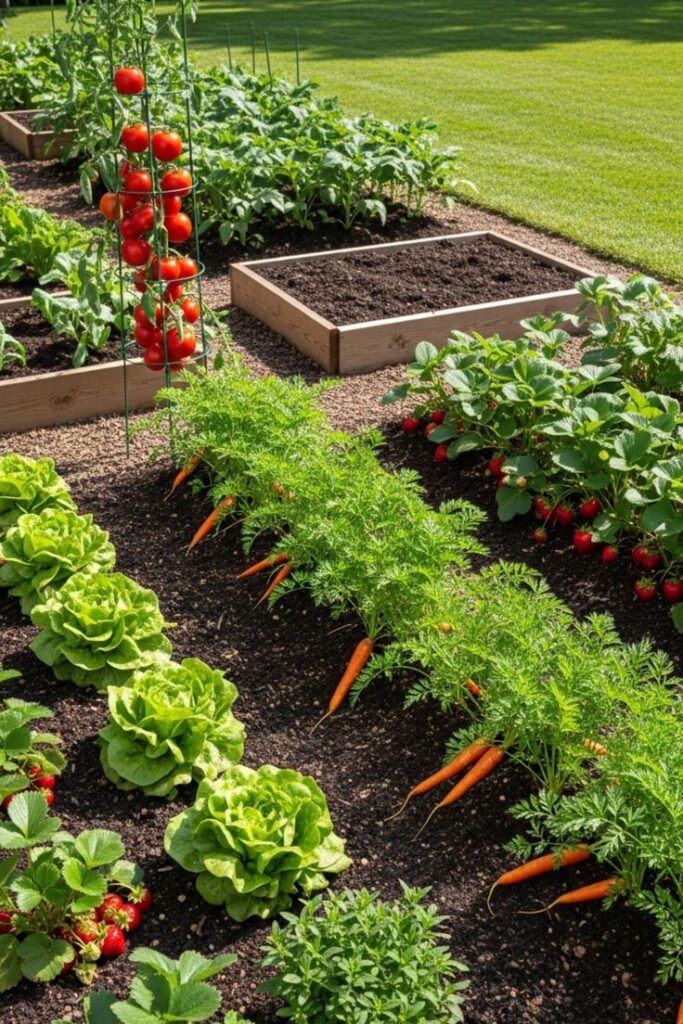
If you want early confidence, you need easy vegetables to grow. I vote for radishes, bush beans, and zucchini. They germinate fast, grow hard, and forgive beginner mistakes.
Radishes pop up so quickly that you start checking the soil like an impatient kid. Bush beans produce with minimal fuss. Zucchini… well, zucchini produces like it tries to feed the entire neighborhood.
My beginner trio:
- Radishes (fast results)
- Bush beans (steady harvest)
- Zucchini (absurdly productive)
7) Add Mulch Like You Actually Want Free Time
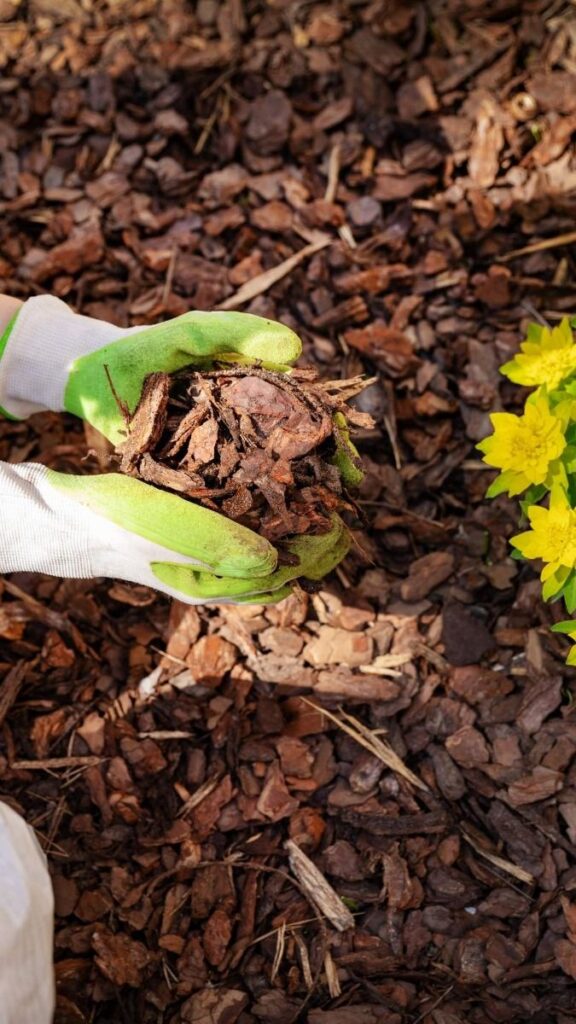
Mulch makes your garden easier. It holds moisture, blocks weeds, and keeps soil from splashing onto leaves. Do you enjoy weeding in the blazing sun, or do you want to harvest food like a civilized person?
I use straw or shredded leaves, and I top it up mid-season. You can also use untreated grass clippings in thin layers.
Mulch wins because it:
- Cuts watering needs
- Prevents weed takeovers
- Keeps soil healthier

8) Set Up Simple Drip Watering (Because Hand Watering Gets Old Fast)
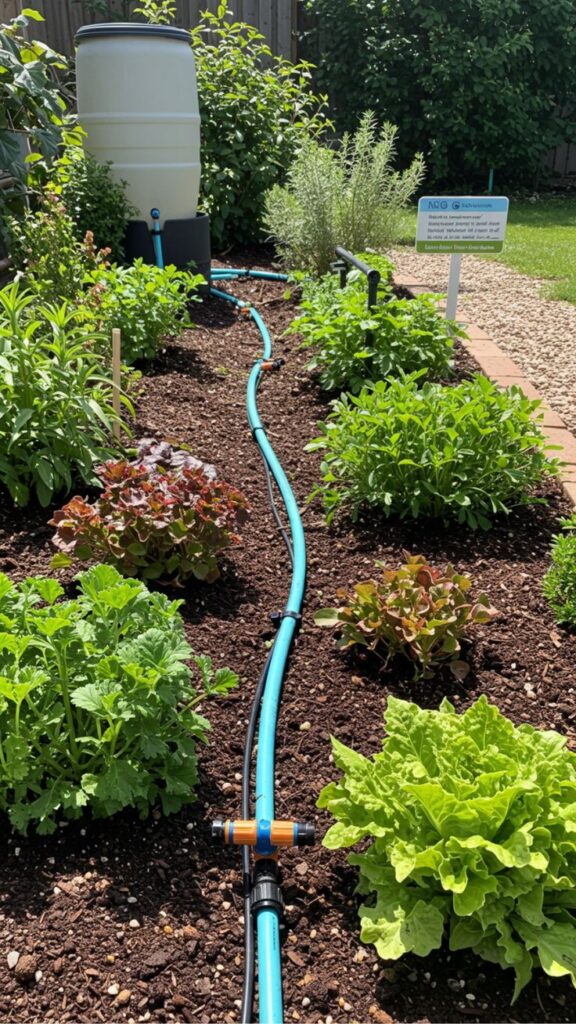
Hand watering sounds charming until July hits and your hose feels like a part-time job. Drip irrigation makes a backyard vegetable garden way more consistent, and plants love consistency.
IMO, drip beats sprinklers because drip targets roots and keeps leaves drier. You can start small with a hose timer and a basic drip line.
Beginner drip setup:
- Hose timer
- Filter + pressure regulator
- Drip line or soaker hose around plants
Your future self will thank you 🙂
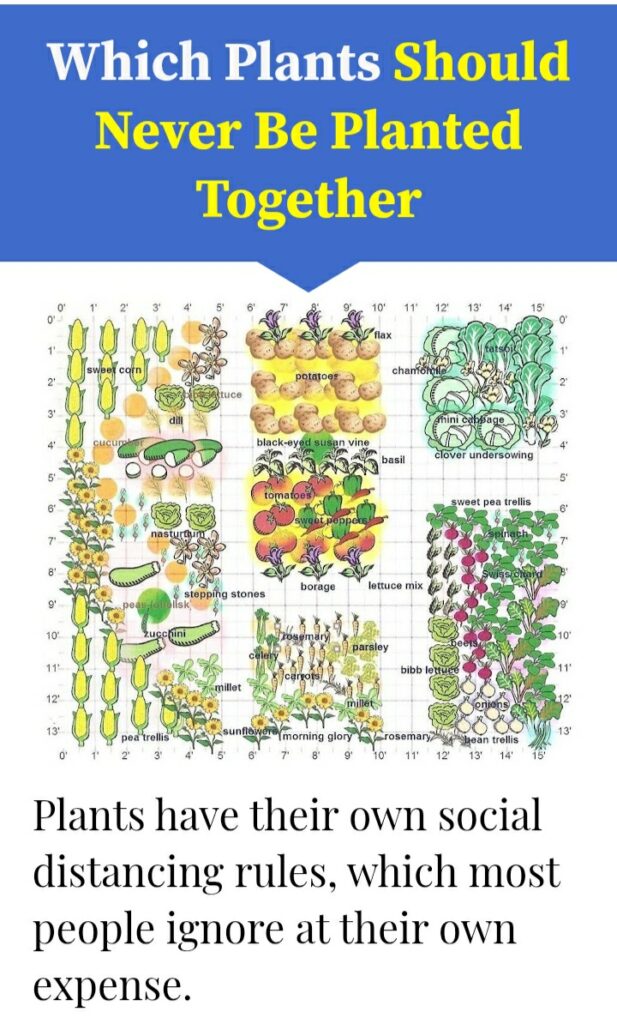
9) Plant Companion Combos That Make Sense (Not Magic, Just Strategy)
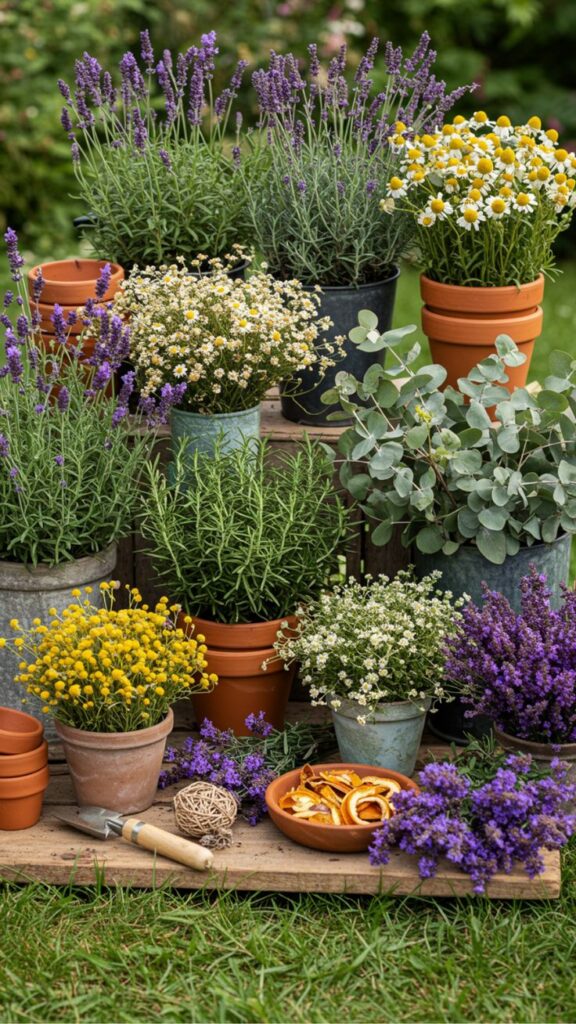
Companion planting doesn’t require wizard energy. You just pair plants that help each other with shade, spacing, or pest confusion.
I plant basil near tomatoes because I harvest both constantly, and the combo smells amazing. I also tuck marigolds around beds because they look good and encourage beneficial insects.
Beginner-friendly combos:
- Tomatoes + basil
- Carrots + onions
- Cucumbers + nasturtiums
- Lettuce + taller crops for afternoon shade

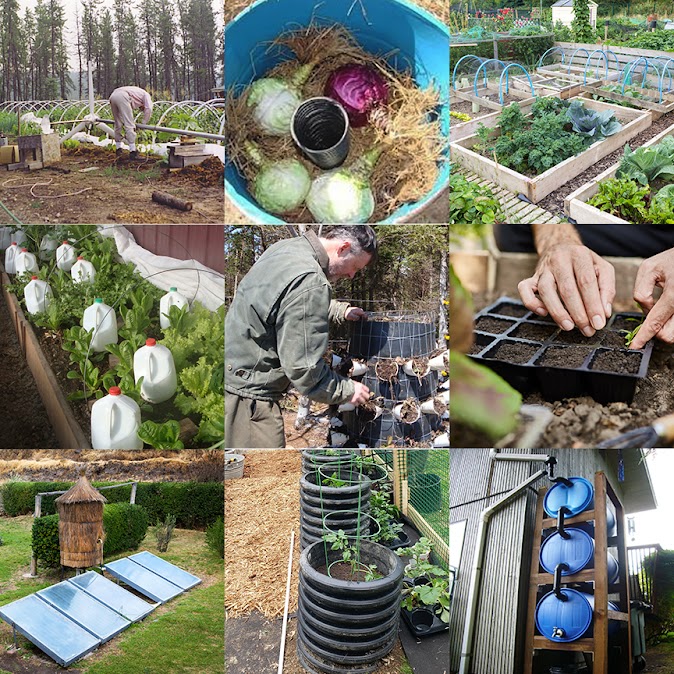
10) Create a “Kitchen Garden Strip” Near Your Door
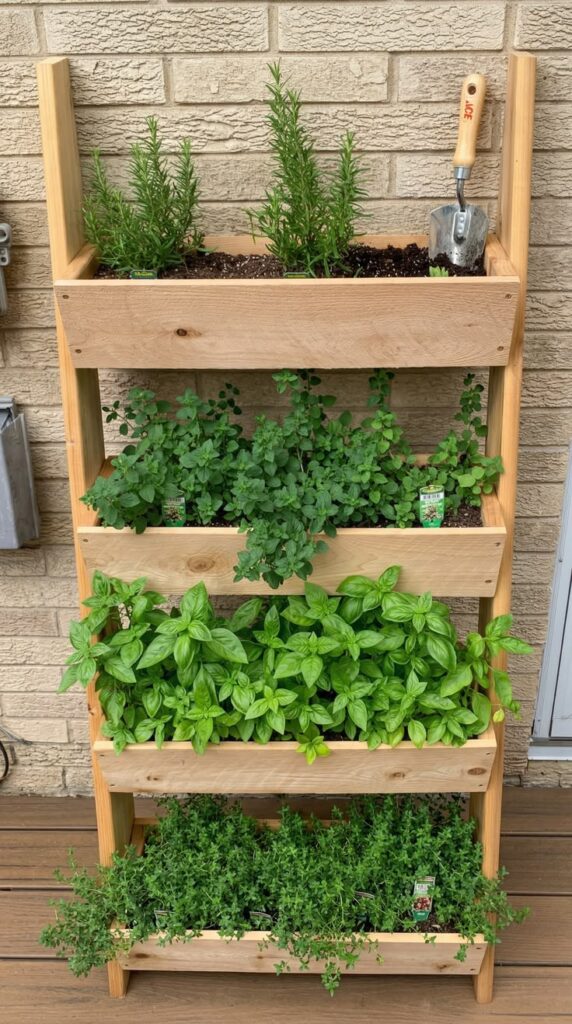
Do you know what kills motivation? A garden that sits way back in the yard where you forget it exists. Put your most-used plants close to the house, and you grab ingredients on autopilot.
I keep herbs, salad greens, and cherry tomatoes near my back steps. I notice problems faster, I water more often, and I snack while I “inspect” things (very professional).
Perfect near-the-door picks:
- Herbs (basil, parsley, chives)
- Lettuce
- Cherry tomatoes
- Green onions