How to Design a wabi sabi apartment that feel s effortlessly calm
You know that kind of apartment that makes you exhale the second you walk in? Not because it looks “perfect,” but because it feels like it doesn’t demand anything from you. That’s the whole magic trick behind wabi sabi design—and yes, you can absolutely pull it off in a real-life apartment with real-life laundry piles.
I fell in love with wabi sabi interiors after I tried (and failed) to keep a crisp, showroom-style living room. I kept “fixing” things, rearranging things, buying things… and somehow the room felt more stressful every time. Ever tried to relax in a space that looks like it judges you? Yeah, no thanks.
Let’s talk about how you can design a wabi sabi apartment that feels effortlessly calm—without turning your home into a sad beige box or a museum where nobody’s allowed to sit.
Get the vibe right: what wabi sabi actually means (without the lecture)
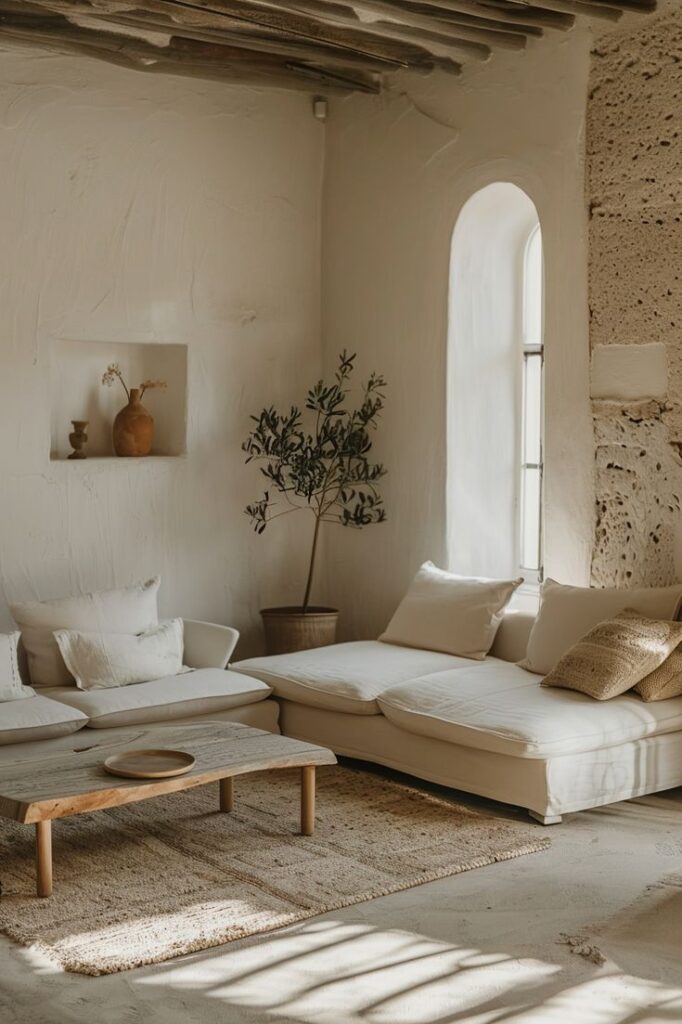
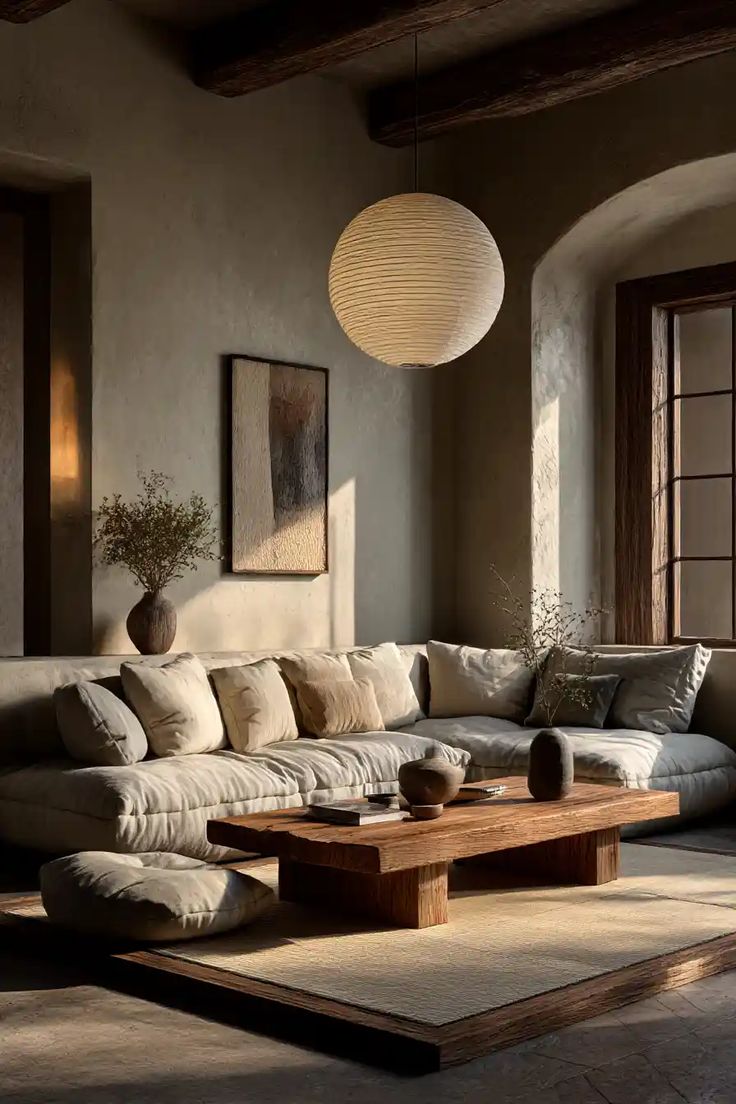
Wabi sabi celebrates imperfection, simplicity, and time-worn beauty. It loves the scratch on the table, the uneven glaze on the mug, and the linen that wrinkles five minutes after you fold it. You don’t hide real life in a wabi sabi apartment—you let it belong.
You also focus on calm over clutter. You pick fewer things, and you pick them on purpose. Would you rather own ten random décor objects or one bowl you actually adore?
Wabi sabi vs. minimalist vs. Japandi (quick and honest)
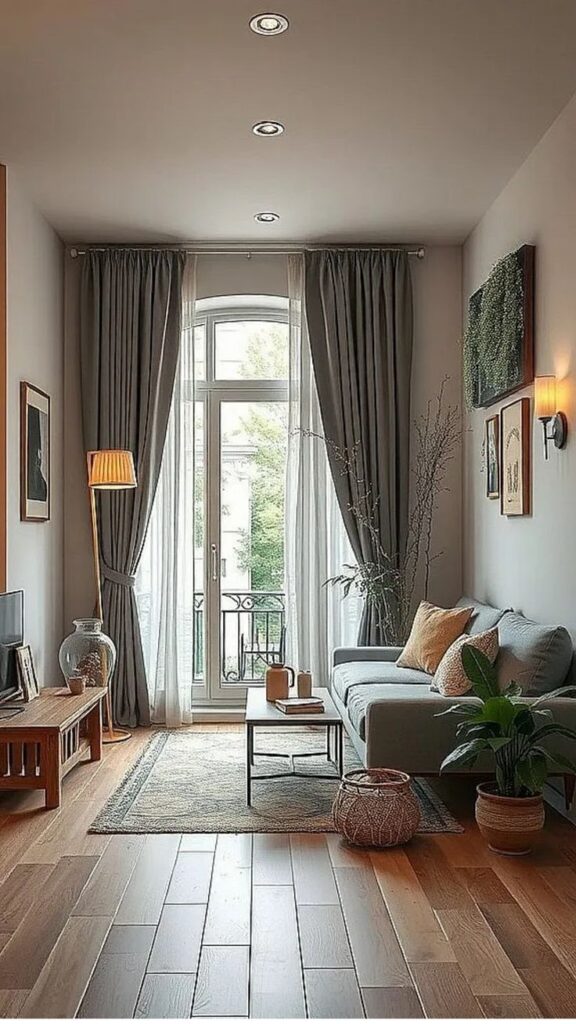
People mix these styles up all the time, so let’s clear it up:
- Minimalism: You reduce items for clean lines and visual order.
- Wabi sabi: You reduce items for peace, and you welcome organic flaws.
- Japandi: You blend Japanese calm with Scandinavian coziness, and you keep everything pretty polished.
IMO, wabi sabi feels the most “human” because it doesn’t require you to maintain perfection like it’s a part-time job.
Start with less: edit your space until it stops yelling at you
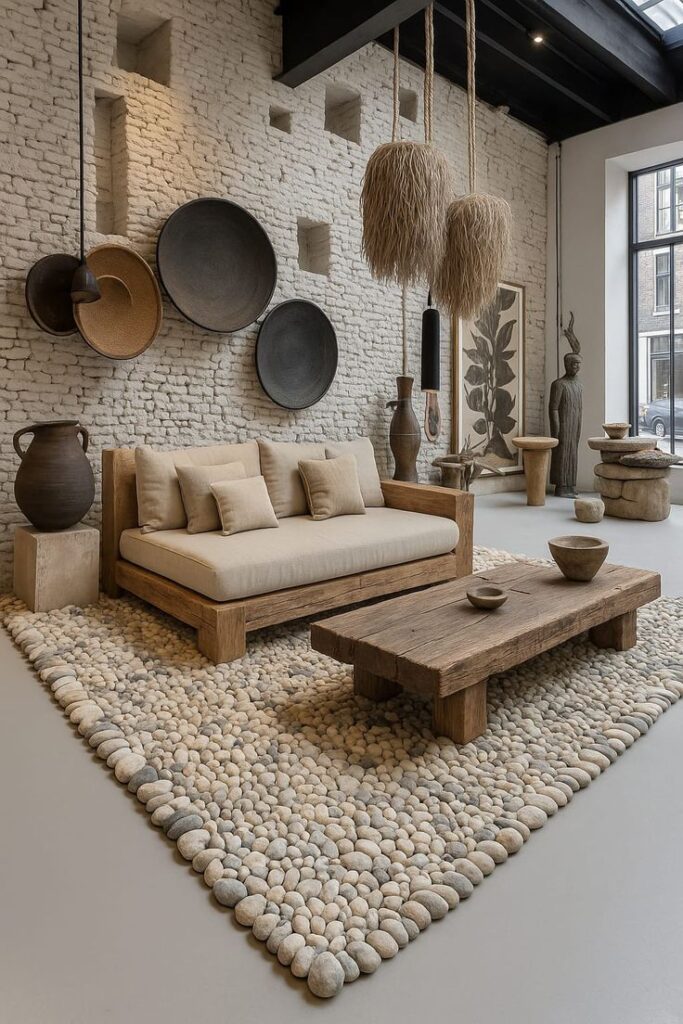
If your apartment feels chaotic, you can’t decorate your way out of it. You need to remove visual noise first. I know, I know—decluttering sounds like the least fun hobby on earth. But do you want calm, or do you want to keep 14 “miscellaneous” cords you haven’t used since 2019?
Use the “soft no” rule
I use a simple rule: if something gets a “meh,” I move it out. You don’t need dramatic Marie Kondo tears to know what drags your space down.
Try this quick edit:
- Clear one surface (coffee table, counter, dresser).
- Put back only daily essentials.
- Add one intentional object (a bowl, a lamp, a ceramic piece).
You’ll feel the difference fast. Ever noticed how your shoulders drop when your counters look sane?
Hide the unromantic stuff (because life still happens)
Wabi sabi never requires you to live like a monk. It just asks you to store the chaos.
Use:
- Lidded baskets for chargers and remotes
- Closed storage for cleaning supplies
- A tray to corral small items so they look intentional
Calm always starts with fewer loose items. Your apartment needs breathing room, not more tiny objects “adding personality.”
Build a calm base: color, light, and texture do the heavy lifting
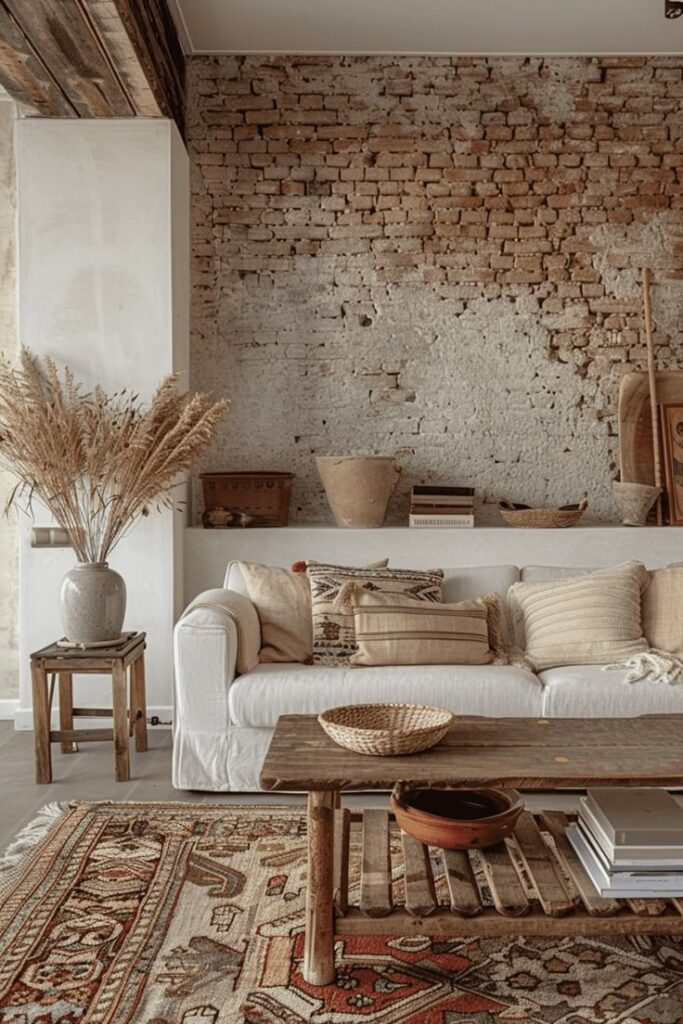
A wabi sabi apartment that feels effortlessly calm usually starts with a quiet backdrop. That doesn’t mean boring. That means low-contrast, nature-based tones that let your eyes rest.
Choose colors that behave
Pick shades that look like they came from the outdoors:
- Warm white (not icy blue-white)
- Sand, oatmeal, clay, stone
- Muted greens or smoky browns
If you love color, you can still use it. Just keep it soft and earthy, not “neon popsicle.”
Work with light instead of fighting it
Harsh overhead lighting ruins the mood faster than a surprise work email. Use layered lighting so your apartment feels gentle at night.
Aim for:
- One warm floor lamp in the living area
- A table lamp near the sofa or bed
- A dimmable bulb whenever possible
FYI, I always pick 2700K warm bulbs because they make everything look calmer and more flattering. Who wants lighting that makes your apartment look like a hospital corridor? :/
Layer texture like you mean it
Texture creates that relaxed, lived-in feel without adding clutter. You can swap a few textiles and change the whole room.
Look for:
- Linen curtains
- Wool or cotton throws
- Jute, sisal, or flatweave rugs
- Matte ceramics and raw wood
Texture gives wabi sabi its soul. Smooth, shiny, perfect surfaces rarely feel restful.
Pick materials that age well (and let them)
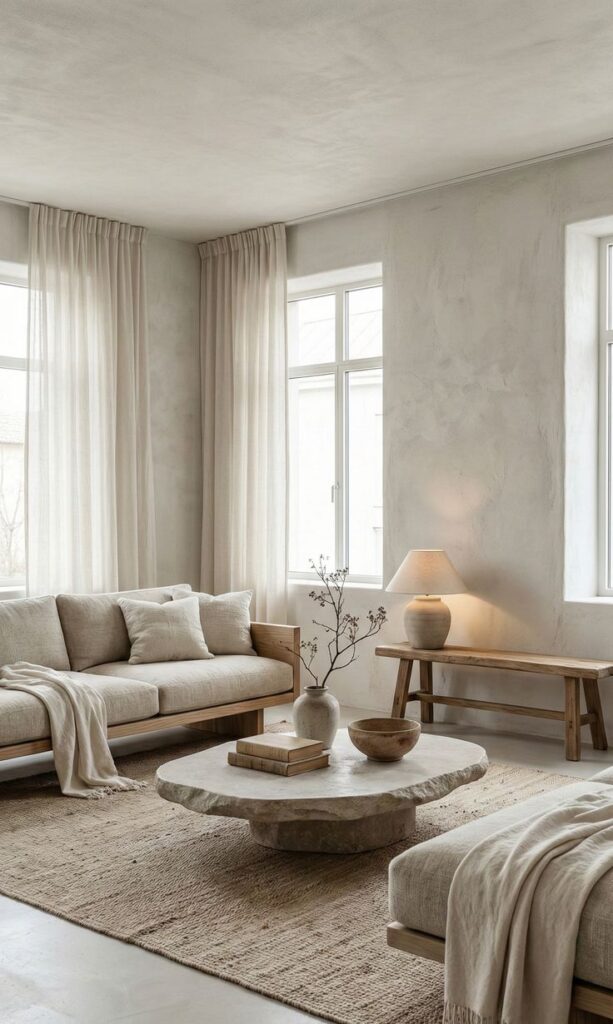
Wabi sabi design loves materials that show time. That means you can stop trying to keep everything pristine. Yes, you finally earn permission to stop panicking about every tiny mark.
Go natural whenever you can
You don’t need a full renovation. You just need a few honest materials.
Great options:
- Solid or reclaimed wood (even small pieces like stools)
- Stone or stone-like surfaces (travertine, soapstone vibes)
- Linen, cotton, wool
- Clay, terracotta, ceramic
Even small swaps help. I once replaced a glossy plastic tray with a handmade ceramic dish, and the whole shelf suddenly looked calmer. How does one little dish do that? Somehow it just does.
Choose matte finishes over shiny ones
Glossy finishes reflect light and create visual “noise.” Matte finishes absorb light and feel grounded.
Prioritize:
- Matte paint in living rooms and bedrooms
- Brushed metal over chrome
- Unglazed ceramics over high-shine porcelain
Matte finishes calm the eye. Your brain likes them more than it admits.
Furniture that calms you down (instead of showing off)
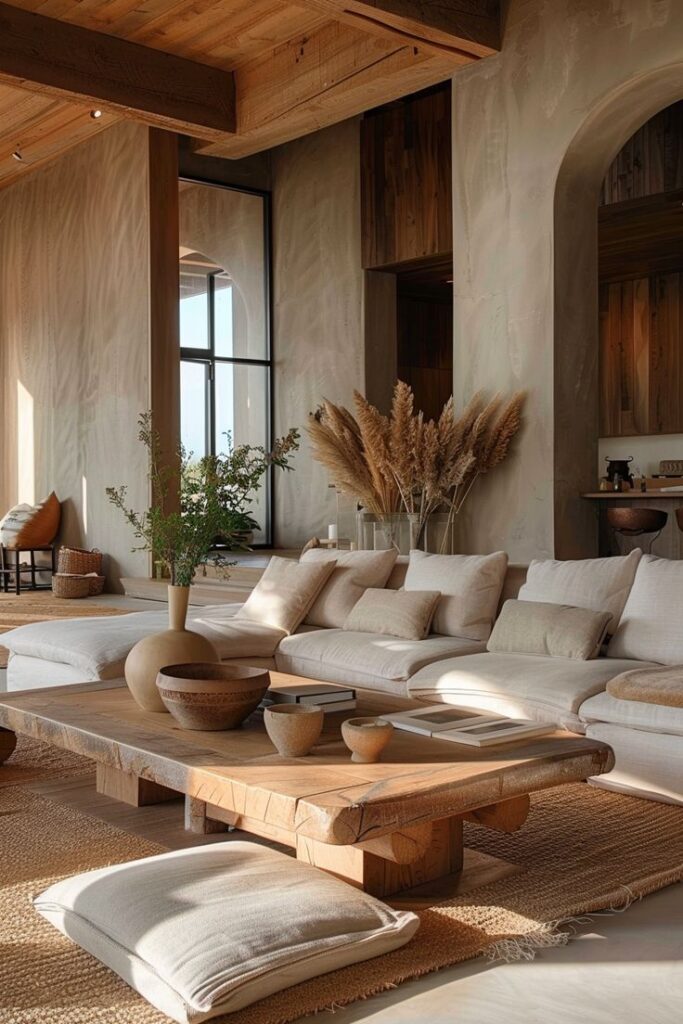
A wabi sabi apartment feels effortless because the furniture never screams for attention. It supports your life. It doesn’t perform.
Keep shapes simple and grounded
Look for furniture with:
- Low profiles
- Soft edges
- Visible natural grain
- Sturdy, quiet silhouettes
Your sofa matters most. If your sofa feels stiff or looks too formal, your whole living room feels uptight. Why would you relax in a room that looks like it waits for a photoshoot?
Vintage vs. new: my honest take
You can buy new items and still nail wabi sabi. You just need the right materials and shapes.
- Vintage wins for patina, character, and wood tones that feel real.
- New wins for comfort, size options, and fewer surprises (like mystery smells).
I love vintage side tables because they bring instant warmth. I buy new sofas because my back deserves rights too.
Mixing old and new creates balance. You avoid the “theme set” look, and your apartment feels collected over time.
Decor the wabi sabi way: fewer objects, more meaning
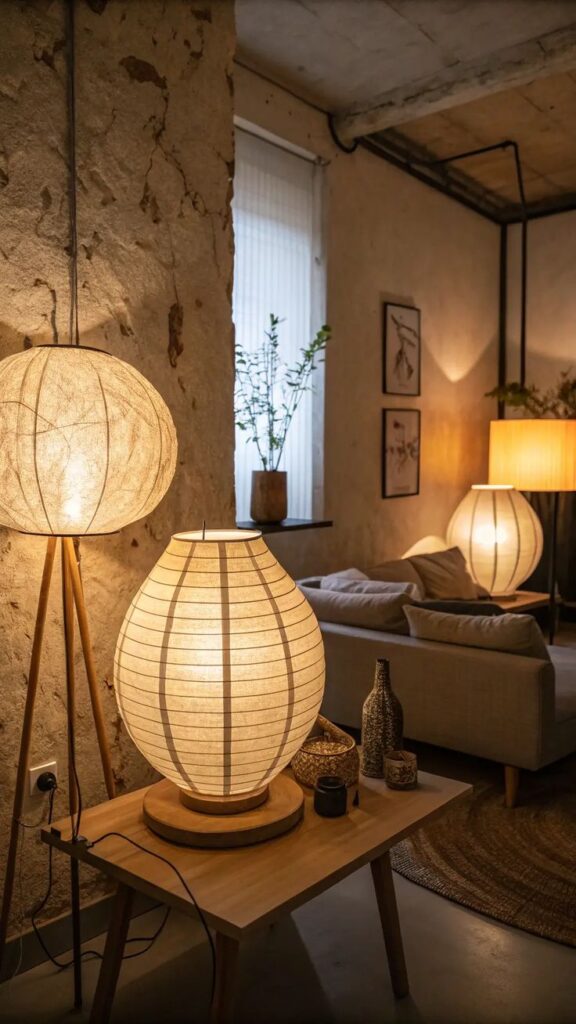
Styling makes or breaks the “effortlessly calm” feeling. You can own beautiful things and still feel stressed if you crowd every surface.
Use the “one good thing per spot” approach
Instead of filling a shelf, pick one object that carries the moment.
Try:
- A handmade bowl on the coffee table
- A single branch in a vase on a console
- A stack of two books with a stone or bead on top
You don’t need more. You need better.
Let negative space do its job
Empty space doesn’t mean unfinished. Empty space means your eyes get to rest.
I leave at least:
- 30–40% of shelves open
- one wall mostly bare in each main room
- some floor visible around furniture
Do you really need every corner “styled,” or do you just think you do because Instagram told you so?
Add imperfect handmade pieces (they change everything)
If you buy one wabi sabi-style item, buy something handmade.
Look for:
- Uneven glaze
- Asymmetry
- Visible texture
- Muted, earthy tones
A handmade mug, a ceramic vase, or a rough clay bowl instantly adds that grounded feeling. Bonus: you’ll actually want to touch it, and touch matters in calm spaces.
Calm lives in your senses too: scent, sound, and softness
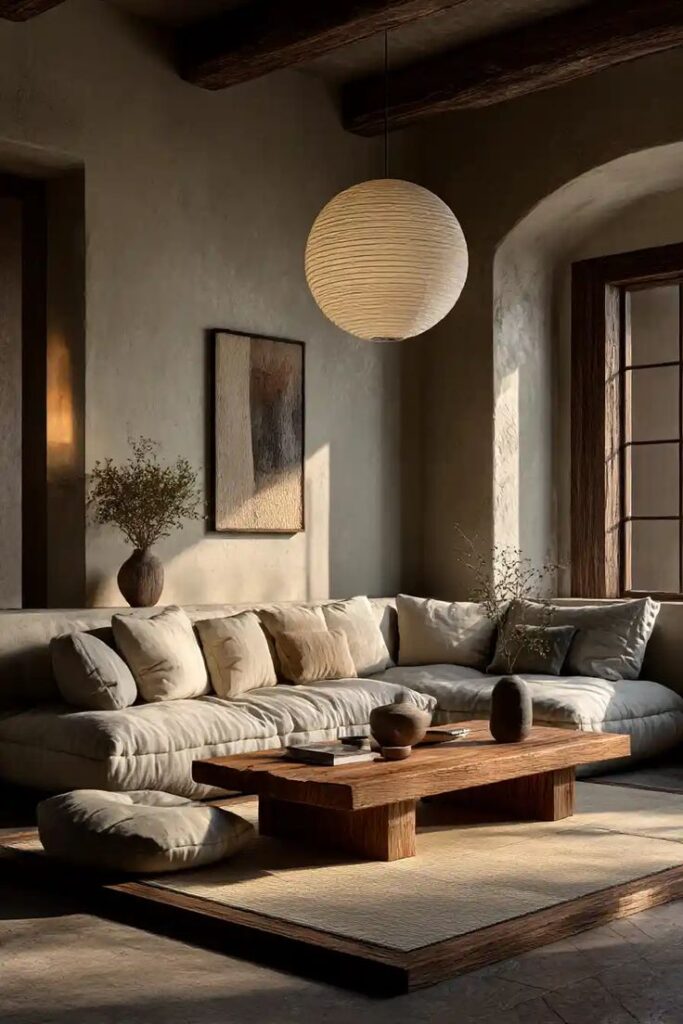
A wabi sabi apartment doesn’t rely on looks alone. It feels calm because you experience it with your whole body.
Keep scent subtle
Skip aggressive plug-ins that smell like “Tropical Laundry Explosion.” Go gentle.
Try:
- Cedar, hinoki, sandalwood
- Unscented candles for warm glow
- Essential oil blends in tiny amounts
Subtle scent supports calm. Strong scent hijacks the room.
Quiet the sound
Apartments echo. Hard surfaces bounce noise around like they feel personally offended by silence.
Soften sound with:
- Rugs
- Curtains
- Fabric-upholstered seating
- Books (yes, they help)
I once added linen curtains to a bright, echo-y room and felt instant relief. I didn’t expect the sound shift, but wow, it worked.
Add softness where you land
Focus on touchpoints:
- Bed sheets
- Throw blankets
- Sofa cushions
- Bathroom towels
If you want a wabi sabi apartment that feels effortlessly calm, you need comfort you can feel, not décor you only look at.
Room-by-room wabi sabi guide (quick, practical, doable)
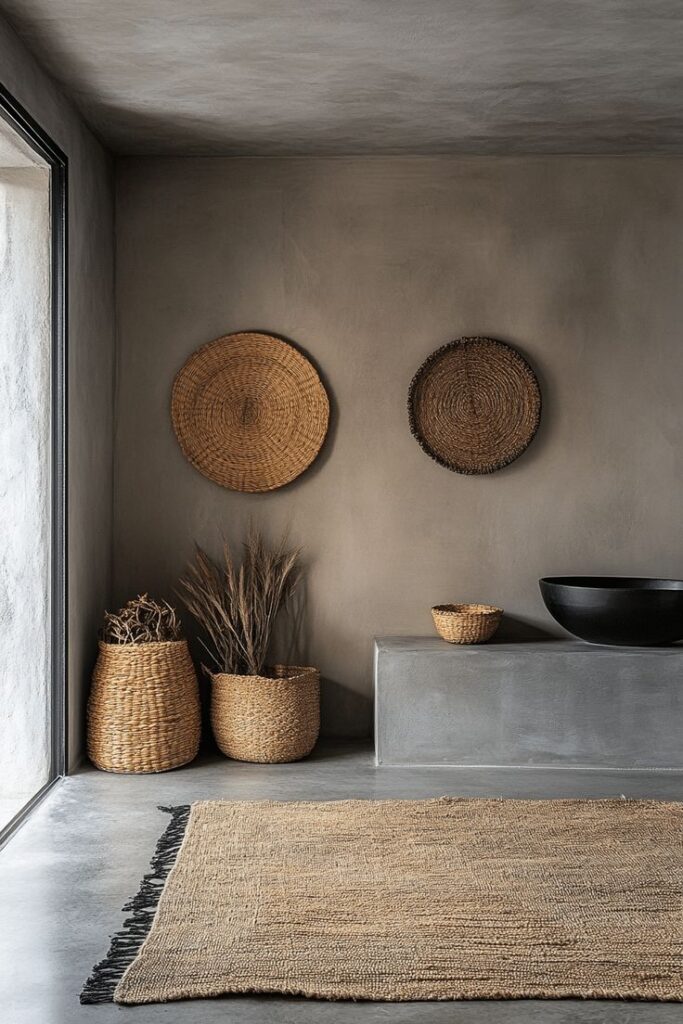
You don’t need to redo everything at once. Pick one room and build momentum.
Entryway: set the tone in 10 seconds
- Add one tray or bowl for keys
- Use one hook or basket for bags
- Place one small lamp or warm bulb nearby
Your entryway tells your nervous system, “You’re home now.” Why not make that moment feel good?
Living room: simplify your “stuff zones”
- Anchor with one natural rug
- Pick one main light source that feels warm
- Style the coffee table with one vessel + one book stack
Bedroom: calm beats cute
- Use two calm colors max
- Keep nightstands simple with lamp + book + one small dish
- Choose linen or cotton bedding in muted tones
I keep my bedroom almost boring on purpose. I sleep better that way, and I don’t fight my brain at 2 a.m. 🙂
Kitchen: clear counters, keep rituals
- Store appliances you rarely use
- Display one wooden board or ceramic crock
- Keep one bowl of fruit or garlic as functional decor
Bathroom: spa energy, minus the remodel
- Swap to white or sand towels
- Add one stone tray for daily items
- Use one plant that tolerates humidity
Common mistakes that wreck the calm (so you can skip them)
You can love wabi sabi and still accidentally create a space that feels messy instead of peaceful. These mistakes show up a lot.
You buy “wabi sabi decor” in bulk
Wabi sabi hates clutter, even if the clutter looks artisanal. You don’t need twelve ceramic vases. You need one great one.
You confuse “imperfect” with “neglected”
Wabi sabi celebrates wear from life, not grime from avoidance. You can keep things clean and still embrace patina.
You overdo beige and call it a day
A calm apartment needs contrast through texture, shadow, and natural variation. If everything matches perfectly, your space can feel flat and oddly sterile.
Wabi sabi needs depth, not sameness.
Conclusion: calm looks a lot like “less, but better”
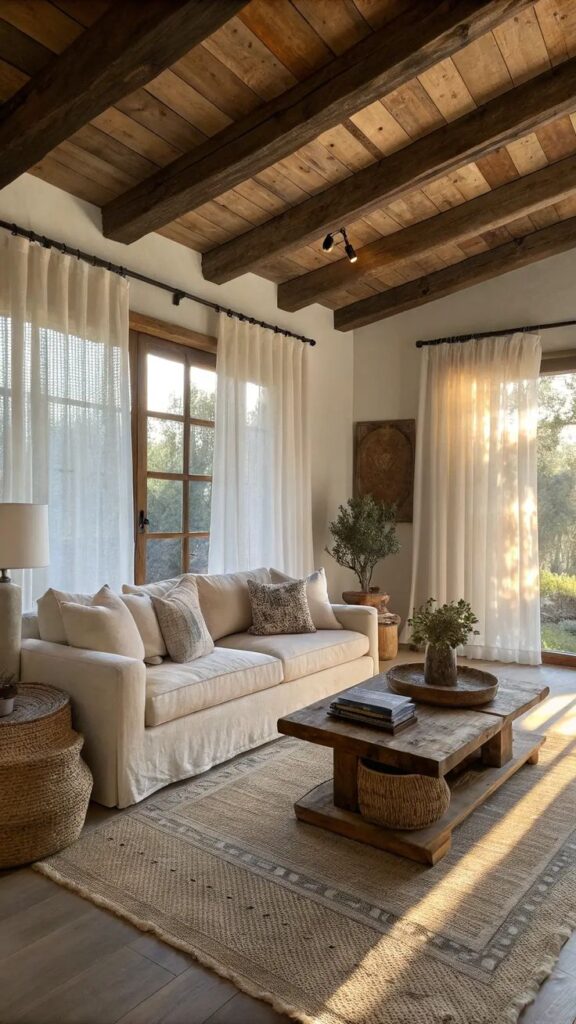
You can design a wabi sabi apartment that feels effortlessly calm when you edit clutter, build a soft natural base, choose materials that age well, and style with meaningful, imperfect pieces. You don’t need perfection. You need intention.
So, what’s your first move—clearing one surface, swapping your lighting, or hunting down that one handmade bowl that makes your shelf feel complete? Pick one small change today, and let your apartment finally stop screaming for attention. Your nervous system will thank you, even if your junk drawer still looks like a crime scene.